
Nexo Earn with Nexo
Inflation gauge rises to 3.8% in April, highest in three years

Inflation gauge rises to 3.8% in April, highest in three years

Consumer prices blew past forecasts as energy and food costs surged, effectively killing any hope of near-term Fed rate cuts.

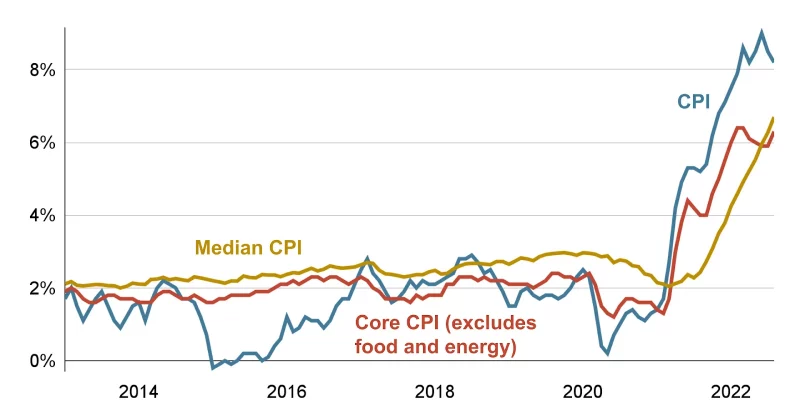
The US consumer price index climbed 3.8% year-over-year in April, the hottest reading since May 2023 and a number that caught most of Wall Street flat-footed. The Bureau of Labor Statistics released the data on May 12, and the reaction was swift: bond yields jumped, equities stumbled, and the already-slim odds of a Federal Reserve rate cut this year evaporated almost entirely.

Economists had been expecting a 3.7% annual gain. They got something worse. The month-over-month increase came in at 0.6%, double the 0.3% consensus forecast, a miss large enough to reshape the monetary policy conversation overnight.

Energy prices did the heavy lifting

Gasoline was the headline villain. Ongoing geopolitical tensions tied to the US-Iran conflict pushed energy costs sharply higher on a year-over-year basis, and those price increases rippled through the broader economy.

Core CPI, which excludes food and energy, rose 2.8% year-over-year and 0.4% month-over-month. Price pressures are broad-based and persistent, which is exactly what the Fed doesn’t want to see.

Advertisement

What it means for the Fed

Before this report, markets were still pricing in a slim possibility of rate cuts later in 2026. That conversation is now effectively dead.

The data doesn’t just remove rate cuts from the table. It actively raises the probability of rate hikes later this year, a scenario that was considered a tail risk just weeks ago.

Traditional markets responded accordingly. Rising Treasury yields put pressure on equity valuations, particularly for growth stocks that are most sensitive to interest rate expectations.

Bitcoin’s quiet resilience

Against this backdrop of macro anxiety, Bitcoin did something interesting. It barely flinched.

Following the inflation report, Bitcoin traded in a range of $80,600 to $81,000. No dramatic sell-off, no panic liquidations.

No major individual tokens saw outsized moves in direct response to the CPI print, which reinforces the idea that macro forces, not token-specific catalysts, are driving the current market.

If the Fed responds to persistent inflation with aggressive rate hikes, liquidity tightens across all markets, crypto included. Higher rates increase the opportunity cost of holding non-yielding assets like Bitcoin. The 2022 bear market, triggered in large part by the Fed’s hiking cycle, is a recent reminder of how that dynamic plays out.

Disclosure: This article was edited by Editorial Team. For more information on how we create and review content, see our Editorial Policy.

Inflation gauge rises to 3.8% in April, highest in three years

Inflation gauge rises to 3.8% in April, highest in three years

Consumer prices blew past forecasts as energy and food costs surged, effectively killing any hope of near-term Fed rate cuts.

The US consumer price index climbed 3.8% year-over-year in April, the hottest reading since May 2023 and a number that caught most of Wall Street flat-footed. The Bureau of Labor Statistics released the data on May 12, and the reaction was swift: bond yields jumped, equities stumbled, and the already-slim odds of a Federal Reserve rate cut this year evaporated almost entirely.

Economists had been expecting a 3.7% annual gain. They got something worse. The month-over-month increase came in at 0.6%, double the 0.3% consensus forecast, a miss large enough to reshape the monetary policy conversation overnight.

Energy prices did the heavy lifting

Gasoline was the headline villain. Ongoing geopolitical tensions tied to the US-Iran conflict pushed energy costs sharply higher on a year-over-year basis, and those price increases rippled through the broader economy.

Core CPI, which excludes food and energy, rose 2.8% year-over-year and 0.4% month-over-month. Price pressures are broad-based and persistent, which is exactly what the Fed doesn’t want to see.

Advertisement

What it means for the Fed

Before this report, markets were still pricing in a slim possibility of rate cuts later in 2026. That conversation is now effectively dead.

The data doesn’t just remove rate cuts from the table. It actively raises the probability of rate hikes later this year, a scenario that was considered a tail risk just weeks ago.

Traditional markets responded accordingly. Rising Treasury yields put pressure on equity valuations, particularly for growth stocks that are most sensitive to interest rate expectations.

Bitcoin’s quiet resilience

Against this backdrop of macro anxiety, Bitcoin did something interesting. It barely flinched.

Following the inflation report, Bitcoin traded in a range of $80,600 to $81,000. No dramatic sell-off, no panic liquidations.

No major individual tokens saw outsized moves in direct response to the CPI print, which reinforces the idea that macro forces, not token-specific catalysts, are driving the current market.

If the Fed responds to persistent inflation with aggressive rate hikes, liquidity tightens across all markets, crypto included. Higher rates increase the opportunity cost of holding non-yielding assets like Bitcoin. The 2022 bear market, triggered in large part by the Fed’s hiking cycle, is a recent reminder of how that dynamic plays out.

Disclosure: This article was edited by Editorial Team. For more information on how we create and review content, see our Editorial Policy.