
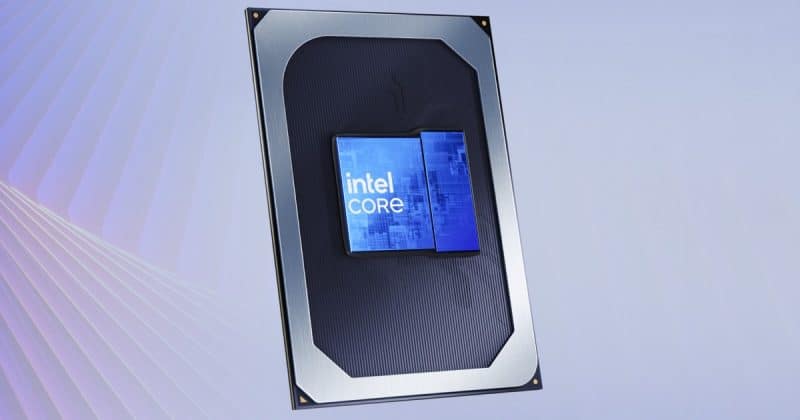
Intel’s AI efficiency strategy seen as buffer against slowing chip demand
The chipmaker is betting that energy-efficient inference hardware can stabilize its data center business as hyperscaler spending on training GPUs cools off
Intel just made its clearest bet yet on where the AI hardware market is heading. Instead of chasing the GPU training arms race that Nvidia has dominated for years, Intel is pivoting hard toward energy-efficient inference, the less glamorous but increasingly critical side of AI computing.
The strategy, unveiled at Computex on June 2, centers on rack-scale AI systems that pair Xeon CPUs with specialized hardware like SambaNova’s SN-50 RDUs, along with air-cooled solutions targeting data center operators alarmed by the power consumption of GPU-heavy clusters.
From training obsession to inference reality
The ratio of CPUs to GPUs in AI workloads is moving from roughly 1:8 to about 1:4, according to Intel’s analysis. For every GPU crunching AI tasks, you now need proportionally more CPUs handling the inference side, which is where trained models actually do useful things like answering questions, generating images, or running autonomous agents.
That shift plays directly into Intel’s wheelhouse. More CPU demand means more Xeon demand, and Xeon is territory Intel actually controls. CEO Lip-Bu Tan has been vocal about this transition, framing it as a move away from the power-hungry training GPU model toward designs that prioritize energy efficiency.
Learning from expensive mistakes
Intel’s credibility on AI hardware has taken some hits. The company had to scrap sales targets exceeding $500 million for its Gaudi accelerators in 2024 after the product line stumbled on software functionality issues and brutal competition from Nvidia.
AI, tech, and the markets they move—in one daily briefing.
Daily. Free. Join 34,000+ readers across crypto, finance, and policy.
Under Tan’s leadership, Intel appears to have absorbed that lesson. Rather than going head-to-head with Nvidia on training GPUs, the company is pursuing a multi-architecture strategy that combines Xeon processors, FPGAs, and partner hardware for inference workloads. The partnership with SambaNova is particularly telling: instead of trying to build everything in-house, Intel is leveraging specialized accelerators from partners while positioning its own Xeon chips as the connective tissue of AI inference infrastructure.
The power consumption problem is real
Intel’s bet is that rising data center energy consumption creates a structural advantage for energy-efficient inference hardware. As organizations move from training massive models to deploying them in production, particularly for agentic AI applications that run continuously, the economics favor hardware that delivers good-enough performance at a fraction of the power draw.
What this means for investors
Intel’s Xeon-focused inference strategy could stabilize its data center revenue at a time when other revenue streams remain under pressure, including its foundry business, which has been bleeding money. The shift in CPU-to-GPU ratios from 1:8 toward 1:4 suggests growing demand for the kind of processors Intel already manufactures at scale.
AMD is pushing its own inference-optimized solutions, and Nvidia isn’t sitting still. Custom silicon from cloud providers like Google’s TPUs and Amazon’s Trainium chips adds another layer of competition that Intel needs to navigate. Investors will want to see actual design wins with hyperscalers and enterprise customers before pricing in a meaningful recovery from the Gaudi setback.