
Nexo Earn with Nexo
Iran closes Strait of Hormuz as US tensions escalate, Bitcoin-backed insurance enters the picture

Iran closes Strait of Hormuz as US tensions escalate, Bitcoin-backed insurance enters the picture

Iran's newly created Persian Gulf Strait Authority shuts down the world's most critical oil chokepoint, with crypto playing an unexpected role in maritime transit.

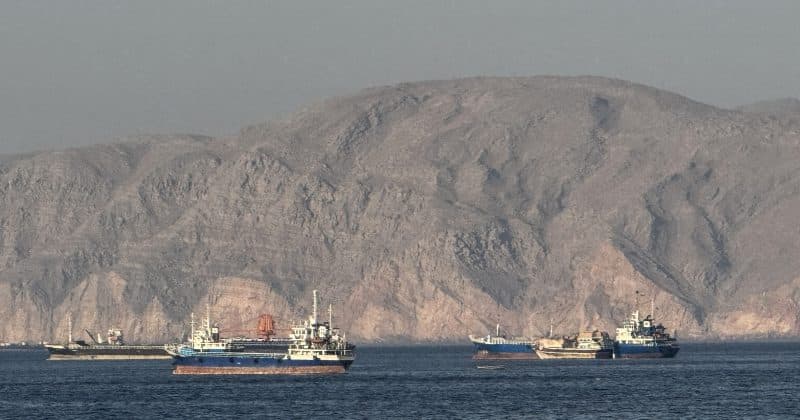
Iran just did the thing everyone in energy markets has feared for decades. The Persian Gulf Strait Authority, a regulatory body Iran established barely five weeks ago, announced a full closure of the Strait of Hormuz to all vessel traffic on June 10, citing escalating tensions with the United States.

About one-fifth of the world’s oil supply flows through that narrow waterway.

What the PGSA actually is, and why it matters

Iran created the Persian Gulf Strait Authority on May 5, 2026. Its stated purpose: regulating maritime traffic through the Strait of Hormuz by requiring vessels to obtain permits, submit to inspections, and pay fees before transiting.

Advertisement

Since late April, over 300 non-Iranian vessels have engaged with the PGSA’s permit system.

The United States had already sanctioned the PGSA around May 27-28, identifying its connections to the Islamic Revolutionary Guard Corps. The June 10 announcement marks a shift from selective regulation to outright closure, with Iran warning of severe consequences for any vessel attempting to defy the blockade.

The Bitcoin-backed insurance wrinkle

On May 18, a platform called Hormuz Safe launched, offering Bitcoin-backed marine insurance specifically for vessels transiting the Strait. Traditional maritime insurers have been pulling coverage from the region as risk levels spike.

What this means for markets and investors

Maritime traffic through the Strait had already fallen to a fraction of pre-crisis levels before the full closure was announced, with some vessels rerouting through US-protected corridors. Removing one-fifth of global supply from transit, even temporarily, creates the kind of supply shock that sends prices lurching upward.

The US-Iran confrontation has been building since late February 2026, and the closure of the Strait represents a significant escalation from what were already tense conditions.

Disclosure: This article was edited by Editorial Team. For more information on how we create and review content, see our Editorial Policy.

Iran closes Strait of Hormuz as US tensions escalate, Bitcoin-backed insurance enters the picture

Iran closes Strait of Hormuz as US tensions escalate, Bitcoin-backed insurance enters the picture

Iran's newly created Persian Gulf Strait Authority shuts down the world's most critical oil chokepoint, with crypto playing an unexpected role in maritime transit.

Iran just did the thing everyone in energy markets has feared for decades. The Persian Gulf Strait Authority, a regulatory body Iran established barely five weeks ago, announced a full closure of the Strait of Hormuz to all vessel traffic on June 10, citing escalating tensions with the United States.

About one-fifth of the world’s oil supply flows through that narrow waterway.

What the PGSA actually is, and why it matters

Iran created the Persian Gulf Strait Authority on May 5, 2026. Its stated purpose: regulating maritime traffic through the Strait of Hormuz by requiring vessels to obtain permits, submit to inspections, and pay fees before transiting.

Advertisement

Since late April, over 300 non-Iranian vessels have engaged with the PGSA’s permit system.

The United States had already sanctioned the PGSA around May 27-28, identifying its connections to the Islamic Revolutionary Guard Corps. The June 10 announcement marks a shift from selective regulation to outright closure, with Iran warning of severe consequences for any vessel attempting to defy the blockade.

The Bitcoin-backed insurance wrinkle

On May 18, a platform called Hormuz Safe launched, offering Bitcoin-backed marine insurance specifically for vessels transiting the Strait. Traditional maritime insurers have been pulling coverage from the region as risk levels spike.

What this means for markets and investors

Maritime traffic through the Strait had already fallen to a fraction of pre-crisis levels before the full closure was announced, with some vessels rerouting through US-protected corridors. Removing one-fifth of global supply from transit, even temporarily, creates the kind of supply shock that sends prices lurching upward.

The US-Iran confrontation has been building since late February 2026, and the closure of the Strait represents a significant escalation from what were already tense conditions.

Disclosure: This article was edited by Editorial Team. For more information on how we create and review content, see our Editorial Policy.