
Nexo Earn with Nexo
Iran closes Strait of Hormuz, warns ships will be fired upon

https://www.foxnews.com/world/strait-hormuz-maritime-incidents-follow-us-israeli-operation-epic-fury-strikes-iran

Iran closes Strait of Hormuz, warns ships will be fired upon

Strait of hormuz normal traffic

Market Snapshot

Strait of Hormuz Normal Traffic market currently prices at 0.5% YES, down from 1% a day ago. The market for the United Kingdom sending warships through the Strait by June 30 stands at 9% YES. Traffic normalization by July 31 is at 21.5% YES, having decreased from 30% in the past 24 hours.

Key Takeaways

  • Iran’s declaration appears to significantly reduce the likelihood of normal traffic through the Strait of Hormuz by June 15, as reflected in the market pricing.
  • The announcement is consistent with increased chances of countries, such as the UK, sending warships to the region, as indicated by a shift in market odds.
  • The possibility of traffic normalization by July 31 appears less likely, given the current geopolitical tensions and market movements.

Article Body

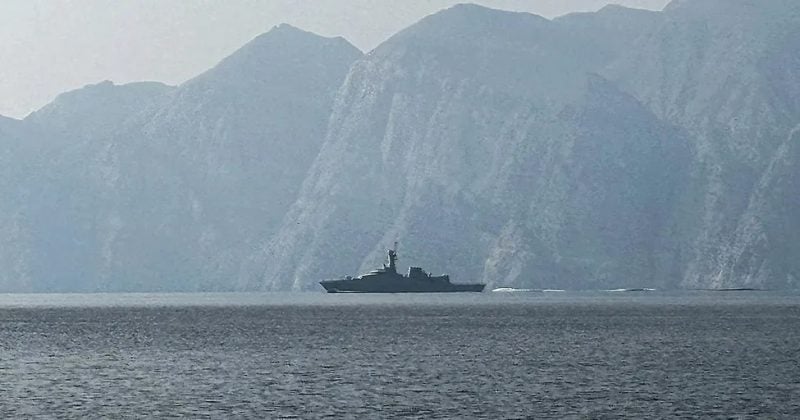
Iran’s military has declared the Strait of Hormuz closed to all vessels, warning that any ship attempting passage risks being fired upon. This development is part of ongoing tensions in the Iran-Israel conflict, with the United States also involved. The Strait of Hormuz is a crucial maritime chokepoint between Iran and Oman, through which a significant portion of global oil shipments pass. Iran’s threats to close the strait have been a recurring theme during past crises, but the current warning marks an escalation, suggesting potential direct military action against commercial shipping. The U.S. Navy’s presence in the region is a key factor in maintaining security, but the recent developments raise concerns about a broader maritime conflict.

Advertisement

Market Interpretation

The news is supportive of a NO outcome for the Strait of Hormuz returning to normal traffic by June 15, with market pricing reflecting a dramatic decrease in the likelihood of this scenario. The likelihood of countries deploying warships has increased, consistent with expectations of heightened military activity. The overall impact is high, as the closure and potential military enforcement represent a significant escalation in regional tensions.

What to Watch

Observers should monitor responses from the U.S. and European nations, particularly any announcements concerning military deployments or diplomatic negotiations. The actions of the U.S. Navy and Iran’s Revolutionary Guard Corps will be critical in assessing future risks to shipping through the Strait. Additionally, statements from oil-producing nations and global energy markets could provide insight into the broader economic implications of the strait’s closure.

Get prediction market intelligence as a structured API feed. Early access waitlist.

Disclosure: This article was edited by Estefano Gomez. For more information on how we create and review content, see our Editorial Policy.

Iran closes Strait of Hormuz, warns ships will be fired upon

Iran closes Strait of Hormuz, warns ships will be fired upon

Strait of hormuz normal traffic

https://www.foxnews.com/world/strait-hormuz-maritime-incidents-follow-us-israeli-operation-epic-fury-strikes-iran

Market Snapshot

Strait of Hormuz Normal Traffic market currently prices at 0.5% YES, down from 1% a day ago. The market for the United Kingdom sending warships through the Strait by June 30 stands at 9% YES. Traffic normalization by July 31 is at 21.5% YES, having decreased from 30% in the past 24 hours.

Key Takeaways

  • Iran’s declaration appears to significantly reduce the likelihood of normal traffic through the Strait of Hormuz by June 15, as reflected in the market pricing.
  • The announcement is consistent with increased chances of countries, such as the UK, sending warships to the region, as indicated by a shift in market odds.
  • The possibility of traffic normalization by July 31 appears less likely, given the current geopolitical tensions and market movements.

Article Body

Iran’s military has declared the Strait of Hormuz closed to all vessels, warning that any ship attempting passage risks being fired upon. This development is part of ongoing tensions in the Iran-Israel conflict, with the United States also involved. The Strait of Hormuz is a crucial maritime chokepoint between Iran and Oman, through which a significant portion of global oil shipments pass. Iran’s threats to close the strait have been a recurring theme during past crises, but the current warning marks an escalation, suggesting potential direct military action against commercial shipping. The U.S. Navy’s presence in the region is a key factor in maintaining security, but the recent developments raise concerns about a broader maritime conflict.

Advertisement

Market Interpretation

The news is supportive of a NO outcome for the Strait of Hormuz returning to normal traffic by June 15, with market pricing reflecting a dramatic decrease in the likelihood of this scenario. The likelihood of countries deploying warships has increased, consistent with expectations of heightened military activity. The overall impact is high, as the closure and potential military enforcement represent a significant escalation in regional tensions.

What to Watch

Observers should monitor responses from the U.S. and European nations, particularly any announcements concerning military deployments or diplomatic negotiations. The actions of the U.S. Navy and Iran’s Revolutionary Guard Corps will be critical in assessing future risks to shipping through the Strait. Additionally, statements from oil-producing nations and global energy markets could provide insight into the broader economic implications of the strait’s closure.

Get prediction market intelligence as a structured API feed. Early access waitlist.

Disclosure: This article was edited by Estefano Gomez. For more information on how we create and review content, see our Editorial Policy.