
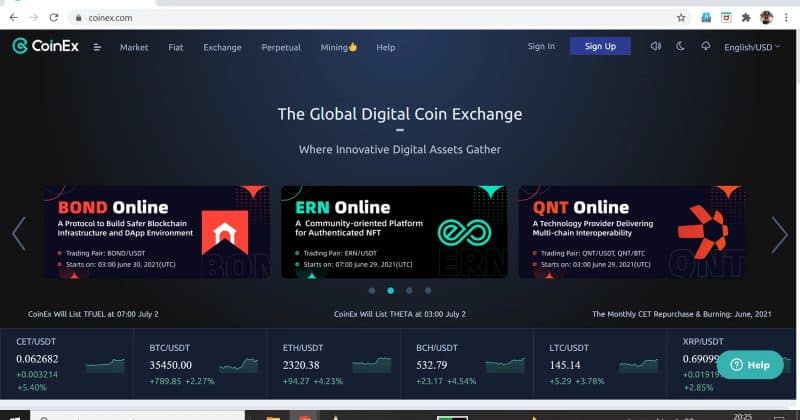
Iran moved $3.84 billion through CoinEx to bypass US sanctions, WSJ reports
Blockchain analysis reveals the Seychelles-based exchange became a critical financial conduit for Iranian entities after Binance tightened controls
The Wall Street Journal reported that Iranian entities have funneled $3.84 billion through crypto exchange CoinEx since 2019, using the platform as a pressure valve to circumvent US sanctions. The findings, based on analysis by blockchain intelligence firm TRM Labs, trace funds back to wallets linked to Iran’s Central Bank and the domestic exchange Nobitex.
How the money moved
According to the WSJ report, funds from Iran’s Central Bank wallets, including USDT stablecoins, moved through various intermediary routes before landing on CoinEx. Nobitex, Iran’s largest domestic crypto exchange, served as the on-ramp. CoinEx became the off-ramp to global markets. At peak volume, transactions between the two platforms hit $763 million in a single year.
By 2024, CoinEx had become Nobitex’s largest foreign counterparty. That distinction previously belonged to Binance, the world’s biggest crypto exchange, which pulled back after implementing stricter sanctions compliance controls.
CoinEx was founded in 2017 by Haipo Yang and operates out of the Seychelles. The exchange has since said it is implementing new Know Your Customer measures and restricting access for Iran-based users.
The sanctions backdrop
On June 2, 2026, US authorities sanctioned Nobitex, citing connections to entities including the Islamic Revolutionary Guard Corps (IRGC). Over 60 Iranian entities are linked to the crypto flows detected by TRM Labs.
The news moving money, markets, and the world—before your day starts.
Daily. Free. Join 34,000+ readers across crypto, finance, and policy.
The $3.84 billion figure identified by TRM Labs likely represents only the transactions that could be traced through on-chain analysis. The actual volume of Iranian funds moving through global crypto markets could be substantially higher, given the use of privacy tools, chain-hopping, and peer-to-peer transactions that don’t touch centralized exchanges at all.
What this means for investors
CoinEx’s announcement that it’s now tightening KYC and restricting Iranian users is a reactive move, not a proactive one. The exchange processed billions in suspect transactions over roughly seven years before announcing compliance improvements.
Exchanges that invest heavily in compliance, including Coinbase, Kraken, and Binance post-settlement, gain a structural advantage every time a rival gets caught facilitating illicit flows. Traders and investors should weight their platform choices accordingly, because the exchange you use is itself a risk factor.