
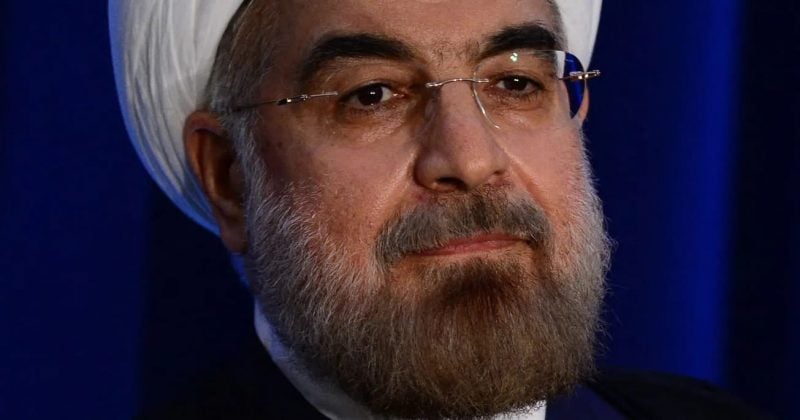
Iran condemns US for violating interim nuclear deal, doubts final agreement

https://www.britannica.com/biography/Hassan-Rouhani

Iran condemns US for violating interim nuclear deal, doubts final agreement

US-Iran final nuclear deal

Iran’s foreign ministry has condemned the United States for what it calls a “blatant violation” of an interim agreement, as well as Israeli military actions, asserting that these developments have rendered the interim deal ineffective. The agreement, established in June 2026, aimed to secure a 60-day ceasefire and address key issues such as uranium enrichment levels. The condemnation comes amid ongoing tensions in the region, which have seen Israeli strikes on Iranian nuclear facilities and renewed U.S. military actions. The situation suggests a potential escalation in hostilities, undermining the fragile ceasefire framework and casting doubt on the effectiveness of the interim deal.

Advertisement

Markets appear to interpret this situation as a setback for reaching a final U.S.-Iran nuclear agreement by the specified deadlines. Recent shifts in pricing reflect decreased confidence in the likelihood of achieving a final nuclear deal, with significant drops observed across several prediction market timelines. The current odds for an agreement by August 13, 2026, stand at a mere 2.6% YES, with similar declines in confidence for other upcoming deadlines.

Key Takeaways

  • The statement from Iran’s foreign ministry appears to indicate decreased confidence in the interim deal’s effectiveness, impacting market expectations for a final nuclear agreement.
  • Recent pricing suggests a significant drop in the likelihood of reaching a final nuclear deal by August 13, 2026, with odds currently at 2.6% YES.
  • Markets seem to view the ongoing military actions and diplomatic tensions as inconsistent with scenarios where a final nuclear deal is successfully reached.

What to Watch

Ongoing diplomatic interactions between the U.S., Iran, and mediators such as Oman will be crucial in shaping market expectations. Any public statements or actions from key figures like Iran’s Supreme Leader Ayatollah Ali Khamenei or U.S. negotiators could influence market sentiment. Observers should also monitor any developments related to military activities or further violations of the interim deal, as these could affect the perceived likelihood of achieving a final agreement.

Get prediction market intelligence as a structured API feed. Early access waitlist.

Disclosure: This article was edited by Estefano Gomez. For more information on how we create and review content, see our Editorial Policy.

Iran condemns US for violating interim nuclear deal, doubts final agreement

Iran condemns US for violating interim nuclear deal, doubts final agreement

US-Iran final nuclear deal

https://www.britannica.com/biography/Hassan-Rouhani

Iran’s foreign ministry has condemned the United States for what it calls a “blatant violation” of an interim agreement, as well as Israeli military actions, asserting that these developments have rendered the interim deal ineffective. The agreement, established in June 2026, aimed to secure a 60-day ceasefire and address key issues such as uranium enrichment levels. The condemnation comes amid ongoing tensions in the region, which have seen Israeli strikes on Iranian nuclear facilities and renewed U.S. military actions. The situation suggests a potential escalation in hostilities, undermining the fragile ceasefire framework and casting doubt on the effectiveness of the interim deal.

Advertisement

Markets appear to interpret this situation as a setback for reaching a final U.S.-Iran nuclear agreement by the specified deadlines. Recent shifts in pricing reflect decreased confidence in the likelihood of achieving a final nuclear deal, with significant drops observed across several prediction market timelines. The current odds for an agreement by August 13, 2026, stand at a mere 2.6% YES, with similar declines in confidence for other upcoming deadlines.

Key Takeaways

  • The statement from Iran’s foreign ministry appears to indicate decreased confidence in the interim deal’s effectiveness, impacting market expectations for a final nuclear agreement.
  • Recent pricing suggests a significant drop in the likelihood of reaching a final nuclear deal by August 13, 2026, with odds currently at 2.6% YES.
  • Markets seem to view the ongoing military actions and diplomatic tensions as inconsistent with scenarios where a final nuclear deal is successfully reached.

What to Watch

Ongoing diplomatic interactions between the U.S., Iran, and mediators such as Oman will be crucial in shaping market expectations. Any public statements or actions from key figures like Iran’s Supreme Leader Ayatollah Ali Khamenei or U.S. negotiators could influence market sentiment. Observers should also monitor any developments related to military activities or further violations of the interim deal, as these could affect the perceived likelihood of achieving a final agreement.

Get prediction market intelligence as a structured API feed. Early access waitlist.

Disclosure: This article was edited by Estefano Gomez. For more information on how we create and review content, see our Editorial Policy.