
Iran conflict may erupt sooner than expected amid fragile ceasefire

https://www.scrippsnews.com/us-news/iran-war/iran-closes-strait-of-hormuz-again-stalls-switzerland-talks-with-us

Iran conflict may erupt sooner than expected amid fragile ceasefire

US-Iran deal in 2026

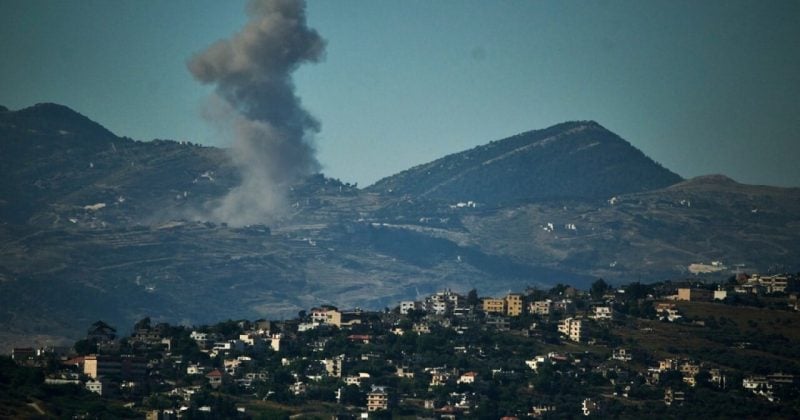
Joachim Klement has issued a warning that the next conflict involving Iran may happen sooner than anticipated. This comes in the context of a fragile ceasefire currently in place between the United States, Israel, and Iran, which has been under pressure due to mutual accusations of violations. Earlier in 2026, the conflict saw intense military exchanges after the U.S. and Israeli forces launched a significant offensive, resulting in severe retaliatory actions by Iran. The ceasefire, brokered by Pakistan, remains precarious with ongoing tensions in Lebanon and disputes over nuclear negotiations. Klement’s cautionary statement suggests potential difficulties in achieving a diplomatic resolution.

Advertisement

Key Takeaways

  • Klement’s warning appears to introduce uncertainty about the stability of the current ceasefire between Iran, the U.S., and Israel.
  • Market pricing suggests that the likelihood of a US-Iran deal including reconstruction funding has decreased, with odds dropping from 39% to 37.5%.
  • The geopolitical situation and Klement’s comments seem consistent with increased concerns over a possible resurgence in hostilities.

What to Watch

Observers should monitor further developments in the nuclear negotiations and any potential military actions by Israel or Iran. Outcomes such as resumed missile attacks by Iran or expanded Israeli military action could indicate a shift towards renewed conflict. The continued fragility of the ceasefire and its impact on US-Iran negotiations will remain a key focus for market participants.

Get prediction market intelligence as a structured API feed. Early access waitlist.

Disclosure: This article was edited by Estefano Gomez. For more information on how we create and review content, see our Editorial Policy.

Iran conflict may erupt sooner than expected amid fragile ceasefire

Iran conflict may erupt sooner than expected amid fragile ceasefire

US-Iran deal in 2026

https://www.scrippsnews.com/us-news/iran-war/iran-closes-strait-of-hormuz-again-stalls-switzerland-talks-with-us

Joachim Klement has issued a warning that the next conflict involving Iran may happen sooner than anticipated. This comes in the context of a fragile ceasefire currently in place between the United States, Israel, and Iran, which has been under pressure due to mutual accusations of violations. Earlier in 2026, the conflict saw intense military exchanges after the U.S. and Israeli forces launched a significant offensive, resulting in severe retaliatory actions by Iran. The ceasefire, brokered by Pakistan, remains precarious with ongoing tensions in Lebanon and disputes over nuclear negotiations. Klement’s cautionary statement suggests potential difficulties in achieving a diplomatic resolution.

Advertisement

Key Takeaways

  • Klement’s warning appears to introduce uncertainty about the stability of the current ceasefire between Iran, the U.S., and Israel.
  • Market pricing suggests that the likelihood of a US-Iran deal including reconstruction funding has decreased, with odds dropping from 39% to 37.5%.
  • The geopolitical situation and Klement’s comments seem consistent with increased concerns over a possible resurgence in hostilities.

What to Watch

Observers should monitor further developments in the nuclear negotiations and any potential military actions by Israel or Iran. Outcomes such as resumed missile attacks by Iran or expanded Israeli military action could indicate a shift towards renewed conflict. The continued fragility of the ceasefire and its impact on US-Iran negotiations will remain a key focus for market participants.

Get prediction market intelligence as a structured API feed. Early access waitlist.

Disclosure: This article was edited by Estefano Gomez. For more information on how we create and review content, see our Editorial Policy.