
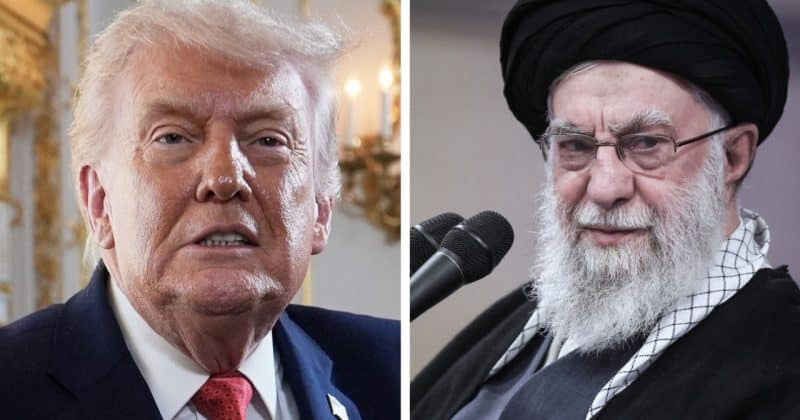
Iran deal approved by Supreme Leader as Trump confirms US blockade lift
The agreement includes reopening the Strait of Hormuz, mine clearance timelines, and sanctions relief, but recent crypto exchange sanctions add complexity for digital asset markets.
President Trump announced on June 11 that Iran’s Supreme Leader has approved a deal that will result in the US lifting its naval blockade of the Strait of Hormuz. Iran is expected to sign the agreement soon, according to Trump, marking a potential turning point in one of the most volatile geopolitical standoffs in recent memory.
For crypto markets, the development lands in an odd spot. Just nine days earlier, the US Treasury sanctioned Nobitex, Iran’s largest digital asset exchange, alongside three other Iranian crypto platforms. The message from Washington appears to be: diplomacy can move forward, but the financial pressure campaign on digital assets isn’t going anywhere.
What the deal actually includes
The framework traces back to a tentative memorandum of understanding negotiated in late May 2026. It covers several key pillars that go well beyond a simple ceasefire extension.
First, Iran has agreed to reopen the Strait of Hormuz, a chokepoint that handles a massive share of global oil shipping. Second, Iran committed to clearing naval mines from the waterway within 30 days of signing. Third, the deal includes a 60-day extension of the current ceasefire between the two countries.
The broader framework also reportedly includes sanctions waivers for Iranian oil sales and a commitment from Iran not to pursue nuclear weapons. Those elements set the stage for a subsequent round of nuclear-focused dialogue.
The diplomatic process itself was catalyzed by a letter Trump sent to Supreme Leader Khamenei back in March 2025. That initial outreach evolved through months of back-channel discussions, eventually producing the memorandum that now appears close to becoming a signed agreement.
The crypto sanctions contradiction
On June 2, 2026, the US Treasury imposed sanctions on four Iranian digital asset platforms, with Nobitex as the headline target. The rationale centered on alleged sanctions evasion.
The US has previously frozen nearly $500 million in digital assets linked to the Iranian regime as part of its broader sanctions enforcement.
No immediate reaction has emerged from cryptocurrency markets following Trump’s announcement.
What this means for investors
The most direct market impact of this deal, if signed and implemented, would be felt in oil markets. Reopening the Strait of Hormuz and introducing sanctions waivers for Iranian oil could unlock significant supply into an already complex global energy picture.
The 30-day mine clearance timeline and 60-day ceasefire extension create natural checkpoints for markets to reassess. If Iran meets the mine clearance deadline, that’s a credible signal of compliance and could accelerate the sanctions relief process.
The frozen $500 million in Iranian-linked digital assets also raises a practical question: what happens to those funds if sanctions are eased? Any release or restructuring of seized crypto could create localized supply pressure depending on the assets involved.