
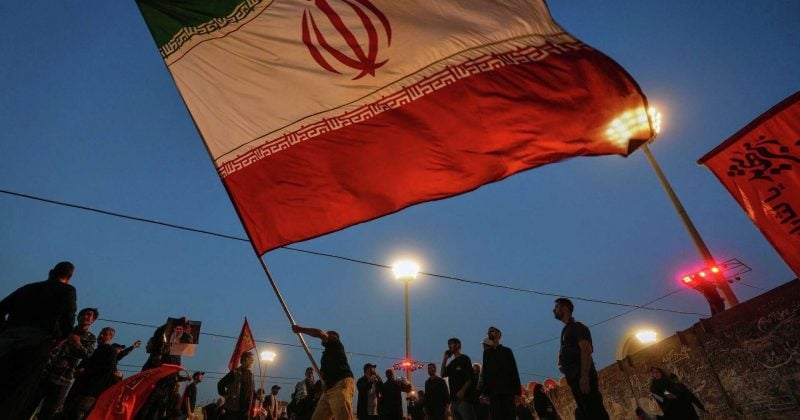
Iran denies blaming rogue faction for Strait of Hormuz attack, cites US disinformation

https://www.ctpost.com/news/world/article/mysterious-airstrikes-target-iran-after-us-22340084.php

Iran denies blaming rogue faction for Strait of Hormuz attack, cites US disinformation

Strait of Hormuz traffic normalization

A senior Iranian official has refuted reports from CBS suggesting that Tehran attributed a recent attack on commercial shipping in the Strait of Hormuz to a rogue military faction. The official described these reports as part of a White House-led media disinformation campaign. The denial comes amid heightened tensions between Iran and the U.S., following accusations that the Islamic Revolutionary Guard Corps (IRGC) attacked a Cyprus-flagged vessel, breaching a ceasefire. Iran insists its actions align with national security interests, rejecting narratives that suggest internal discord. This development may influence market perceptions regarding the normalization of traffic through the Strait of Hormuz by the end of August.

Advertisement

Key Takeaways

  • The denial from the Iranian official suggests ongoing tensions and disputes over the Strait of Hormuz incidents.
  • Market pricing indicates decreased confidence in the return to normal traffic in the Strait by August 31.
  • Iranian official narratives continue to emphasize alignment with national security interests, contrasting with reports of internal tensions.

What to Watch

Observers should monitor announcements from Iranian leadership and U.S. responses, as these will be critical in shaping market perceptions regarding the Strait’s accessibility. Upcoming statements from the Iranian Supreme Leader or President may further clarify Iran’s official stance. Additionally, potential shifts in U.S. military strategy could impact the likelihood of normalization in the Strait of Hormuz. Markets appear to be watching for any indications of de-escalation or further conflict that could alter current market pricing.

Get live prediction-market analysis, powered by Vera. Sign up for Vera.

Disclosure: This article was edited by Estefano Gomez. For more information on how we create and review content, see our Editorial Policy.

Iran denies blaming rogue faction for Strait of Hormuz attack, cites US disinformation

Iran denies blaming rogue faction for Strait of Hormuz attack, cites US disinformation

Strait of Hormuz traffic normalization

https://www.ctpost.com/news/world/article/mysterious-airstrikes-target-iran-after-us-22340084.php

A senior Iranian official has refuted reports from CBS suggesting that Tehran attributed a recent attack on commercial shipping in the Strait of Hormuz to a rogue military faction. The official described these reports as part of a White House-led media disinformation campaign. The denial comes amid heightened tensions between Iran and the U.S., following accusations that the Islamic Revolutionary Guard Corps (IRGC) attacked a Cyprus-flagged vessel, breaching a ceasefire. Iran insists its actions align with national security interests, rejecting narratives that suggest internal discord. This development may influence market perceptions regarding the normalization of traffic through the Strait of Hormuz by the end of August.

Advertisement

Key Takeaways

  • The denial from the Iranian official suggests ongoing tensions and disputes over the Strait of Hormuz incidents.
  • Market pricing indicates decreased confidence in the return to normal traffic in the Strait by August 31.
  • Iranian official narratives continue to emphasize alignment with national security interests, contrasting with reports of internal tensions.

What to Watch

Observers should monitor announcements from Iranian leadership and U.S. responses, as these will be critical in shaping market perceptions regarding the Strait’s accessibility. Upcoming statements from the Iranian Supreme Leader or President may further clarify Iran’s official stance. Additionally, potential shifts in U.S. military strategy could impact the likelihood of normalization in the Strait of Hormuz. Markets appear to be watching for any indications of de-escalation or further conflict that could alter current market pricing.

Get live prediction-market analysis, powered by Vera. Sign up for Vera.

Disclosure: This article was edited by Estefano Gomez. For more information on how we create and review content, see our Editorial Policy.