
Iran denies scheduled visit for IAEA inspectors to bombed nuclear sites
Tehran pushes back on US claims that inspectors would gain access, raising questions about frozen assets and crypto-based sanctions workarounds
US Vice President JD Vance called it a “major milestone.” Iran called it fiction. The disconnect between Washington and Tehran over whether international nuclear inspectors have been granted access to Iran’s bombed nuclear facilities carries real implications for a potential $25 billion asset release, sanctions enforcement, and the crypto channels Iran has reportedly used to move money around the global financial system.
On June 22, Vance announced that during initial talks in Switzerland, Iran had agreed to allow International Atomic Energy Agency inspectors back into the country. Iran’s Foreign Ministry responded by flatly denying any new commitments regarding IAEA visits to the bombed sites, stating that access remains contingent upon ongoing negotiations and existing agreements.
What got bombed, and why it matters
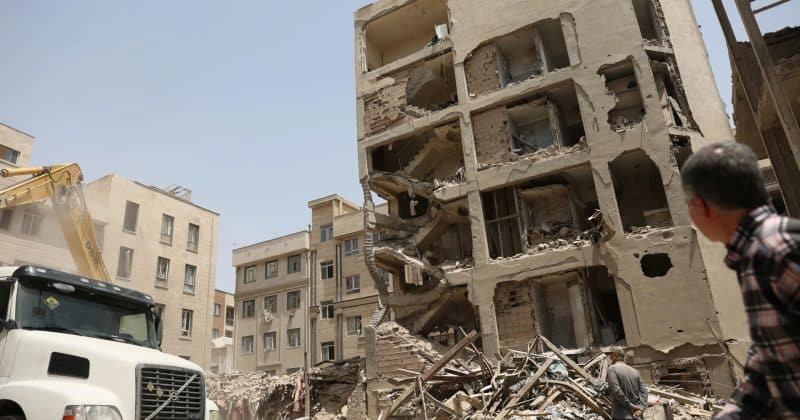
In June 2025, Israel and the US carried out military strikes targeting key Iranian nuclear facilities, including Natanz, Fordow, and Isfahan. Natanz was Iran’s primary uranium enrichment site. Fordow was buried inside a mountain, built specifically to withstand aerial attacks. Isfahan housed research reactors and fuel fabrication plants.
Following the strikes, Iran suspended full IAEA cooperation. A parliamentary law mandated the pullback, limiting inspections to unaffected facilities only.
IAEA Director General Rafael Grossi has emphasized the need for full access and cooperation under Nuclear Non-Proliferation Treaty agreements.
The proposed resolution involves a 60-day window for IAEA verification linked to sanctions relief.
The news moving money, markets, and the world—before your day starts.
Daily. Free. Join 34,000+ readers across crypto, finance, and policy.
The $25 billion question
A draft framework under discussion would tie IAEA access to a phased release of frozen Iranian assets. The total figure being floated is up to $25 billion, with an initial tranche of around $12 billion.
This structure echoes the JCPOA, the 2015 nuclear deal that unlocked billions in frozen funds in exchange for nuclear concessions. That agreement eventually collapsed under the Trump administration’s withdrawal in 2018.
Iran has historically turned to cryptocurrency as a tool for sanctions circumvention. Iran’s use of crypto mining and digital currency transactions to sidestep sanctions has been documented repeatedly over the past several years.
What this means for investors
If negotiations actually progress and the phased asset release begins, crypto trading volumes could see upward pressure as newly liquid Iranian funds seek pathways outside the conventional banking system.
There’s also a regulatory dimension worth watching. The Treasury Department’s Office of Foreign Assets Control has already shown willingness to sanction crypto mixers and wallets linked to state actors.