
Iran agrees to denuclearization steps in exchange for sanctions relief, with crypto caught in the crossfire
A performance-based nuclear deal is taking shape between Washington and Tehran, while the US Treasury cracks down on Iranian crypto exchanges used to dodge sanctions.
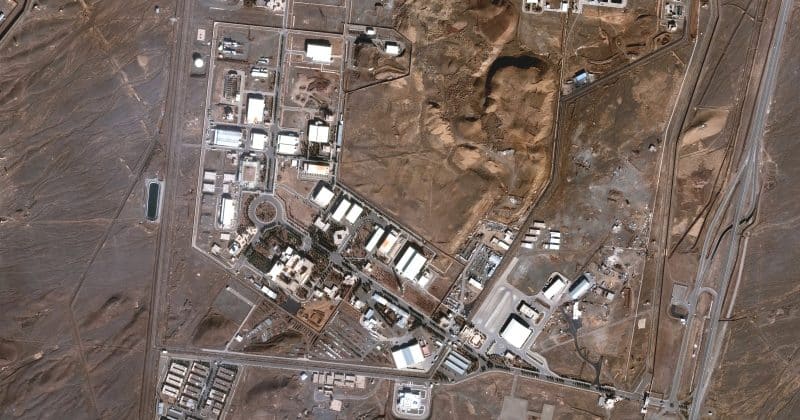
The US and Iran are closing in on a memorandum of understanding that would require Tehran to destroy its highly enriched uranium stockpile and dismantle key nuclear infrastructure in exchange for sanctions relief. A senior US official has put the odds of finalizing the MOU at roughly 80%, with a target date that would trigger a 60-day window for hammering out the finer details on atomic limits and economic incentives.
For crypto markets, the nuclear diplomacy itself isn’t the headline. The headline is what’s happening in the margins: the US Treasury sanctioned several major Iranian digital asset exchanges on June 2, including Nobitex, specifically to choke off Tehran’s ability to use Bitcoin and USDT to sidestep international financial restrictions.
What the deal actually looks like
The milestones are not small. Destroying highly enriched uranium and dismantling nuclear capabilities are the kind of steps that take months to execute and verify, with confirmation required from both the IAEA and US inspectors before any sanctions come off the table.
Beyond the nuclear specifics, the draft agreement also includes geopolitical stipulations. The reopening of the Strait of Hormuz is reportedly part of the framework. So is a requirement that Iran cease financial support for groups like Hezbollah.
The 2015 JCPOA saw key provisions expire. Snapback sanctions kicked in during 2025, essentially resetting the pressure campaign on Tehran. This new MOU represents an attempt to build something from the wreckage of that earlier agreement, but with a fundamentally different structure: performance first, relief second.
If finalized, the 60-day negotiation period would focus on the specifics of atomic limits and the economic benefits Iran would receive. Oil sanctions waivers are on the table.
Macro, rates, and crypto—what moved markets and what matters next.
Daily. Free. Join 34,000+ readers across crypto, finance, and policy.
Why crypto is a central subplot
Iran has increasingly turned to cryptocurrencies to move money outside the reach of SWIFT and conventional financial gatekeepers. Bitcoin and USDT have become tools of choice for circumventing these restrictions.
The Treasury’s designation of Iranian digital asset exchanges like Nobitex on June 2 sends a clear message to any global exchange or OTC desk that might consider processing Iranian-linked transactions. Nobitex is one of Iran’s largest crypto exchanges. Exchanges operating internationally now have to be more diligent about screening for connections to sanctioned Iranian entities.
What this means for investors
USDT, which is widely used for cross-border transactions in sanctioned regions, could face increased scrutiny from Tether and other stablecoin issuers under pressure to demonstrate compliance. Traders who operate in regions adjacent to Iran, or who use platforms with exposure to Middle Eastern markets, should be paying close attention to updated OFAC lists.
If the MOU progresses to a formal agreement and sanctions relief actually materializes, Iran’s return as an oil supplier could put downward pressure on crude prices, given its position among the world’s largest proven oil reserves.
The 60-day negotiation window, if it begins, will be a period where every milestone — whether a verification report from the IAEA or a breakdown in talks — becomes a potential catalyst for market moves.