
US military strikes hit Iran’s Konarak port city as crypto markets brace for oil-driven volatility

US military strikes hit Iran’s Konarak port city as crypto markets brace for oil-driven volatility

At least three explosions rocked Iran's southern coast as CENTCOM confirmed airstrikes, raising the specter of energy disruptions that could ripple through crypto markets.

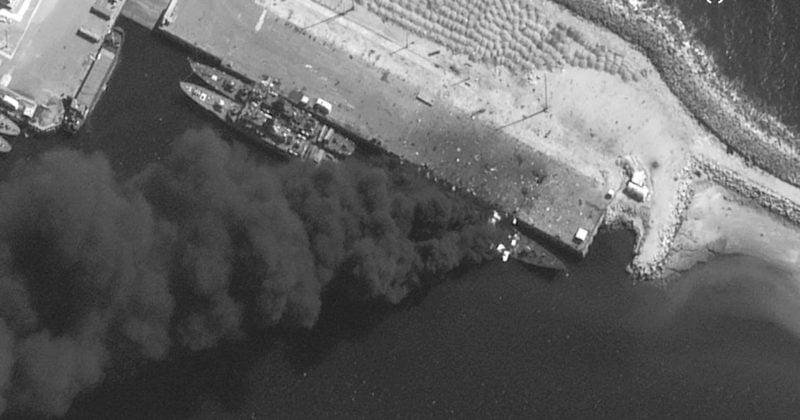
At least three explosions tore through the Iranian port city of Konarak late on July 8, with reports of up to ten blasts across surrounding areas including Chabahar, Bandar Abbas, and Sirik. US Central Command confirmed it had completed military strikes in Iran, marking a significant escalation in hostilities between Washington and Tehran.

The blasts began around 10 p.m. local time, with Konarak and nearby Chabahar bearing the brunt. Iranian state media outlets, including Mehr, IRIB, Fars, Tasnim, and IRNA, reported the explosions and linked them to US military actions in the area.

Advertisement

Residents described the sounds of low-flying aircraft, widespread power outages, and the activation of Iranian air defense systems. No immediate casualty figures have been released.

Konarak and Chabahar aren’t random dots on a map. They serve as vital hubs for non-sanctioned trade, particularly under the India-Iran trade corridor agreement. Chabahar port has been a rare point of cooperation between New Delhi and Tehran, operating under specific carve-outs from US sanctions to facilitate Afghan and Central Asian trade routes.

When tensions flare in this corridor, oil futures tend to spike on the assumption that shipping lanes could be disrupted. Even if no tanker is touched, the insurance premiums on vessels transiting the strait climb, effectively raising the cost of every barrel that passes through.

Iran has historically threatened to close or disrupt passage through the Strait of Hormuz during periods of heightened military conflict with the US.

There’s also a sanctions dimension worth watching. Heightened US-Iran military conflict typically brings intensified sanctions enforcement. That means more scrutiny on crypto transactions that might be facilitating Iranian trade flows, more pressure on exchanges to tighten compliance, and potentially more regulatory attention on stablecoins used in sanctioned corridors.

Disclosure: This article was edited by Editorial Team. For more information on how we create and review content, see our Editorial Policy.

US military strikes hit Iran’s Konarak port city as crypto markets brace for oil-driven volatility

US military strikes hit Iran’s Konarak port city as crypto markets brace for oil-driven volatility

At least three explosions rocked Iran's southern coast as CENTCOM confirmed airstrikes, raising the specter of energy disruptions that could ripple through crypto markets.

At least three explosions tore through the Iranian port city of Konarak late on July 8, with reports of up to ten blasts across surrounding areas including Chabahar, Bandar Abbas, and Sirik. US Central Command confirmed it had completed military strikes in Iran, marking a significant escalation in hostilities between Washington and Tehran.

The blasts began around 10 p.m. local time, with Konarak and nearby Chabahar bearing the brunt. Iranian state media outlets, including Mehr, IRIB, Fars, Tasnim, and IRNA, reported the explosions and linked them to US military actions in the area.

Advertisement

Residents described the sounds of low-flying aircraft, widespread power outages, and the activation of Iranian air defense systems. No immediate casualty figures have been released.

Konarak and Chabahar aren’t random dots on a map. They serve as vital hubs for non-sanctioned trade, particularly under the India-Iran trade corridor agreement. Chabahar port has been a rare point of cooperation between New Delhi and Tehran, operating under specific carve-outs from US sanctions to facilitate Afghan and Central Asian trade routes.

When tensions flare in this corridor, oil futures tend to spike on the assumption that shipping lanes could be disrupted. Even if no tanker is touched, the insurance premiums on vessels transiting the strait climb, effectively raising the cost of every barrel that passes through.

Iran has historically threatened to close or disrupt passage through the Strait of Hormuz during periods of heightened military conflict with the US.

There’s also a sanctions dimension worth watching. Heightened US-Iran military conflict typically brings intensified sanctions enforcement. That means more scrutiny on crypto transactions that might be facilitating Iranian trade flows, more pressure on exchanges to tighten compliance, and potentially more regulatory attention on stablecoins used in sanctioned corridors.

Disclosure: This article was edited by Editorial Team. For more information on how we create and review content, see our Editorial Policy.