
Nexo Earn with Nexo
Iran’s frozen assets will only flow after verified compliance, US insists in performance-based deal

Iran’s frozen assets will only flow after verified compliance, US insists in performance-based deal

Washington's 'no dust, no dollars' stance ties billions in Iranian funds to verifiable action on uranium stockpiles and other commitments

The US has drawn a hard line in its ongoing negotiations with Iran: fulfillment comes before funding. Iran’s frozen assets, estimated between $100B and $120B globally, will only be released in tranches tied to verified compliance with a set of commitments, including reductions in enriched uranium stockpiles.

US officials have distilled the position into a blunt phrase: “no dust, no dollars.”

The money on the table

The current round of talks centers on a package worth roughly $24B, with Iran pushing for $12B, or half the total, to be released immediately upon signing a memorandum of understanding. Washington has rejected that framing, insisting that asset access follows performance, not promises.

Advertisement

Mediators from Pakistan and Qatar have been involved in facilitating the discussions. An initial release of Qatar-held funds, estimated between $6B and $12B, appears to be the most likely first tranche if the deal progresses.

Earlier in April, Iranian sources claimed the US had already agreed to unfreeze assets as a gesture of negotiating seriousness. The US promptly denied that characterization.

Crypto sanctions tighten the pressure

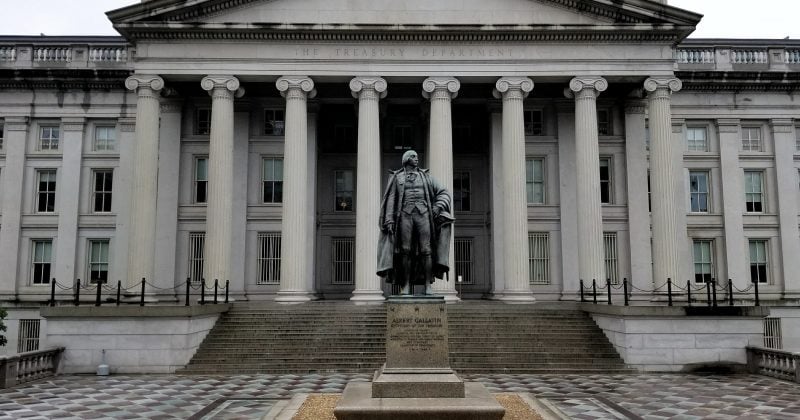
On June 2, 2026, the US Treasury sanctioned Iran’s largest digital asset exchanges, including Nobitex and Bitpin, under counterterrorism laws.

Nobitex is widely considered Iran’s dominant crypto trading platform. The sanctions don’t name specific crypto tokens, and the asset-release discussions themselves haven’t directly referenced digital currencies.

What this means for markets

Iran sits on the world’s fourth-largest proven oil reserves. Any pathway to sanctions relief, even a partial one, would reintroduce Iranian crude supply into global markets.

For crypto-specific investors, the sanctioning of Nobitex and Bitpin creates near-term headwinds for any platform perceived as catering to sanctioned-region users.

Disclosure: This article was edited by Editorial Team. For more information on how we create and review content, see our Editorial Policy.

Iran’s frozen assets will only flow after verified compliance, US insists in performance-based deal

Iran’s frozen assets will only flow after verified compliance, US insists in performance-based deal

Washington's 'no dust, no dollars' stance ties billions in Iranian funds to verifiable action on uranium stockpiles and other commitments

The US has drawn a hard line in its ongoing negotiations with Iran: fulfillment comes before funding. Iran’s frozen assets, estimated between $100B and $120B globally, will only be released in tranches tied to verified compliance with a set of commitments, including reductions in enriched uranium stockpiles.

US officials have distilled the position into a blunt phrase: “no dust, no dollars.”

The money on the table

The current round of talks centers on a package worth roughly $24B, with Iran pushing for $12B, or half the total, to be released immediately upon signing a memorandum of understanding. Washington has rejected that framing, insisting that asset access follows performance, not promises.

Advertisement

Mediators from Pakistan and Qatar have been involved in facilitating the discussions. An initial release of Qatar-held funds, estimated between $6B and $12B, appears to be the most likely first tranche if the deal progresses.

Earlier in April, Iranian sources claimed the US had already agreed to unfreeze assets as a gesture of negotiating seriousness. The US promptly denied that characterization.

Crypto sanctions tighten the pressure

On June 2, 2026, the US Treasury sanctioned Iran’s largest digital asset exchanges, including Nobitex and Bitpin, under counterterrorism laws.

Nobitex is widely considered Iran’s dominant crypto trading platform. The sanctions don’t name specific crypto tokens, and the asset-release discussions themselves haven’t directly referenced digital currencies.

What this means for markets

Iran sits on the world’s fourth-largest proven oil reserves. Any pathway to sanctions relief, even a partial one, would reintroduce Iranian crude supply into global markets.

For crypto-specific investors, the sanctioning of Nobitex and Bitpin creates near-term headwinds for any platform perceived as catering to sanctioned-region users.

Disclosure: This article was edited by Editorial Team. For more information on how we create and review content, see our Editorial Policy.