
Nexo Earn with Nexo
Iran proposes 60-day toll-free transit through Hormuz Strait as ceasefire talks advance

Iran proposes 60-day toll-free transit through Hormuz Strait as ceasefire talks advance

The offer could reshape global oil flows and accelerate crypto adoption in maritime trade, with a bitcoin-settled insurance platform already in the works.

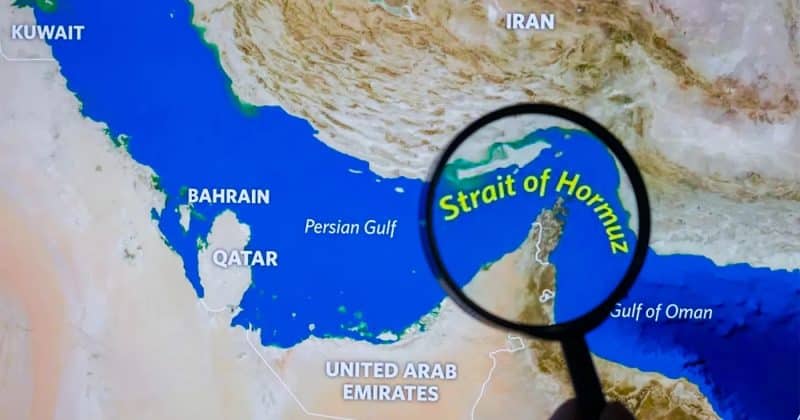
Iran is offering ships a 60-day window to pass through the Strait of Hormuz without paying transit fees, a concession tied to ceasefire negotiations with the United States that could ripple across energy markets, shipping lanes, and the crypto industry.

What Iran has been charging, and what it’s giving up

Before this proposal, Iran had been collecting transit tolls through what it calls the Persian Gulf Strait Authority. The fees averaged around $1 per barrel of oil passing through, which translates to roughly $2 million per supertanker.

The strait sees somewhere between 9 and 20 million barrels of oil transit daily. The US, for its part, has signaled it would end its naval blockade as part of the broader ceasefire framework. The two sides are also reportedly discussing eased sanctions and a potential resumption of nuclear negotiations.

Oil prices dipped following the announcement, which tells you the market’s immediate read: more oil flowing freely through the strait means less supply risk priced into crude.

Advertisement

Bitcoin enters the shipping lane

In May 2026, Iran launched “Hormuz Safe,” described as a bitcoin-settled maritime insurance platform tied directly to Strait of Hormuz transit. The platform is projected to generate over $10 billion annually, a figure that would make it one of the largest real-world Bitcoin use cases by revenue if it hits that target.

Iran has also been exploring USDT and Bitcoin as payment rails for maritime toll collection more broadly. When a country faces extensive international sanctions, traditional banking channels are either closed or unreliable. Crypto offers a way to collect payments that doesn’t route through Western financial infrastructure.

The geopolitical backdrop

Tensions between Iran and Western powers have been escalating, with Iran deploying mines in the strait and asserting tighter control over maritime traffic through the Persian Gulf Strait Authority. The US naval presence in the region has been substantial, and the blockade created its own set of supply chain headaches for oil traders and shipping companies navigating the area.

US officials have suggested that a successful ceasefire could eventually lead to the strait becoming permanently toll-free. Iranian sources have sent mixed signals on that point. The 60-day window looks like a trial period, a test of whether both sides can play nice long enough to build something more durable.

What this means for investors

For oil market participants, the immediate implication is reduced supply risk premium. If tankers can transit Hormuz without fees or military confrontation, shipping costs drop and oil supply becomes more predictable.

For crypto investors, the Hormuz Safe platform is worth watching closely. A bitcoin-settled insurance product generating billions in annual revenue would represent a significant new source of on-chain economic activity. It would also establish a precedent for other sanctioned or semi-sanctioned nations to build similar financial infrastructure on crypto rails.

The risk is that the ceasefire collapses. If negotiations fall apart, Iran could reinstate tolls, the US could tighten its blockade, and the entire crypto-maritime experiment could stall. Investors should treat the 60-day window as exactly what it is: a trial run with no guarantee of renewal.

Disclosure: This article was edited by Editorial Team. For more information on how we create and review content, see our Editorial Policy.

Iran proposes 60-day toll-free transit through Hormuz Strait as ceasefire talks advance

Iran proposes 60-day toll-free transit through Hormuz Strait as ceasefire talks advance

The offer could reshape global oil flows and accelerate crypto adoption in maritime trade, with a bitcoin-settled insurance platform already in the works.

Iran is offering ships a 60-day window to pass through the Strait of Hormuz without paying transit fees, a concession tied to ceasefire negotiations with the United States that could ripple across energy markets, shipping lanes, and the crypto industry.

What Iran has been charging, and what it’s giving up

Before this proposal, Iran had been collecting transit tolls through what it calls the Persian Gulf Strait Authority. The fees averaged around $1 per barrel of oil passing through, which translates to roughly $2 million per supertanker.

The strait sees somewhere between 9 and 20 million barrels of oil transit daily. The US, for its part, has signaled it would end its naval blockade as part of the broader ceasefire framework. The two sides are also reportedly discussing eased sanctions and a potential resumption of nuclear negotiations.

Oil prices dipped following the announcement, which tells you the market’s immediate read: more oil flowing freely through the strait means less supply risk priced into crude.

Advertisement

Bitcoin enters the shipping lane

In May 2026, Iran launched “Hormuz Safe,” described as a bitcoin-settled maritime insurance platform tied directly to Strait of Hormuz transit. The platform is projected to generate over $10 billion annually, a figure that would make it one of the largest real-world Bitcoin use cases by revenue if it hits that target.

Iran has also been exploring USDT and Bitcoin as payment rails for maritime toll collection more broadly. When a country faces extensive international sanctions, traditional banking channels are either closed or unreliable. Crypto offers a way to collect payments that doesn’t route through Western financial infrastructure.

The geopolitical backdrop

Tensions between Iran and Western powers have been escalating, with Iran deploying mines in the strait and asserting tighter control over maritime traffic through the Persian Gulf Strait Authority. The US naval presence in the region has been substantial, and the blockade created its own set of supply chain headaches for oil traders and shipping companies navigating the area.

US officials have suggested that a successful ceasefire could eventually lead to the strait becoming permanently toll-free. Iranian sources have sent mixed signals on that point. The 60-day window looks like a trial period, a test of whether both sides can play nice long enough to build something more durable.

What this means for investors

For oil market participants, the immediate implication is reduced supply risk premium. If tankers can transit Hormuz without fees or military confrontation, shipping costs drop and oil supply becomes more predictable.

For crypto investors, the Hormuz Safe platform is worth watching closely. A bitcoin-settled insurance product generating billions in annual revenue would represent a significant new source of on-chain economic activity. It would also establish a precedent for other sanctioned or semi-sanctioned nations to build similar financial infrastructure on crypto rails.

The risk is that the ceasefire collapses. If negotiations fall apart, Iran could reinstate tolls, the US could tighten its blockade, and the entire crypto-maritime experiment could stall. Investors should treat the 60-day window as exactly what it is: a trial run with no guarantee of renewal.

Disclosure: This article was edited by Editorial Team. For more information on how we create and review content, see our Editorial Policy.