
Iran’s Revolutionary Guards establish covert Iraqi cells for drone attacks on Gulf neighbors

Iran’s Revolutionary Guards establish covert Iraqi cells for drone attacks on Gulf neighbors

The IRGC has built a parallel attack network in Iraq that bypasses traditional militia channels, launching at least seven drone strikes on Kuwait, Saudi Arabia, and the UAE in under a month

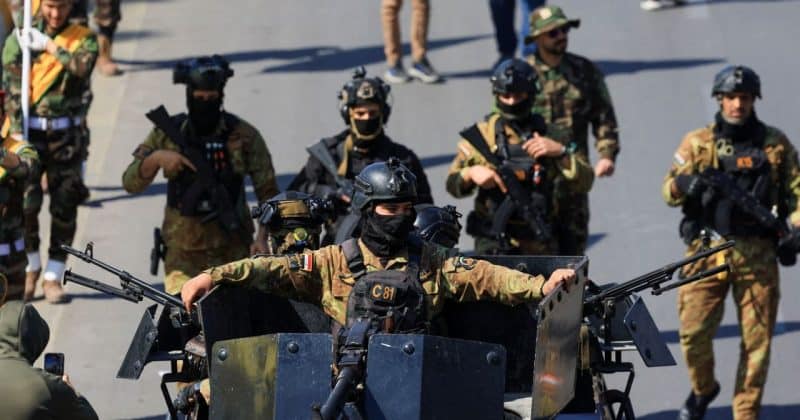
Iran’s Islamic Revolutionary Guard Corps has quietly assembled a new kind of weapon in Iraq. Not a militia. Not a proxy force with its own political ambitions and loose chain of command. Something leaner, more deniable, and reporting directly to Tehran.

According to Reuters, the IRGC now operates three to four covert cells in Iraq, each composed of roughly 10 elite Iraqi Shi’ite fighters. Between April 20 and May 17, 2026, these units carried out at least seven drone attacks from southern Iraq targeting US-allied Gulf states: at least three strikes hit Kuwait, at least two struck Saudi Arabia, and at least two targeted the UAE.

A new playbook for plausible deniability

These new cells deliberately sidestep Iran’s existing militia infrastructure, including groups like Kata’ib Hezbollah and Asa’ib Ahl al-Haq. Iran built a parallel attack network specifically so it could hit Gulf neighbors without the fingerprints of any known militia group showing up at the scene.

The launches originated from areas near Basra and Samawa in southern Iraq, according to Iraqi security sources cited by Reuters. Iraqi security sources confirmed that these cells operate under direct IRGC oversight, not through the traditional intermediary structure that has defined Iran’s proxy warfare model for years.

Advertisement

The Barakah connection

The most alarming thread in this story involves the UAE’s Barakah Nuclear Power Plant. Iraqi authorities are reportedly investigating potential links between these IRGC cells and a drone attack on May 17 that caused a fire at the facility.

Barakah is the Arab world’s first operational nuclear power plant. The investigation is still ongoing, and no definitive attribution has been made public.

Context: the 2026 US-Iran standoff

The creation of these covert cells coincides with a period of heightened tensions between Washington and Tehran, following what has been described as a shaky ceasefire in the broader US-Iran conflict during 2026.

The IRGC has been evolving its tactics since the January 2020 killing of Qasem Soleimani. His successor, Esmail Qaani, has faced persistent questions about whether he can maintain the same level of operational control across multiple countries and factions. These new cells appear to be one answer to that problem, building small, purpose-built units that can execute specific missions without coordinating through militia leaders who have their own agendas.

What this means for markets and investors

Seven attacks in under a month suggests this isn’t a one-off provocation but an ongoing operational capability that Iran can activate or deactivate depending on diplomatic conditions.

Regulatory agencies in the US and Europe have already been tightening scrutiny of crypto exchanges that process transactions linked to sanctioned entities. Traders should pay attention to any new designations from the US Treasury’s Office of Foreign Assets Control, which has historically moved quickly to sanction entities and networks connected to IRGC financing.

What investors should actually watch is whether Gulf states respond with military action against the launch sites in southern Iraq, whether Baghdad cooperates or pushes back, and whether the US treats these attacks as a ceasefire violation that triggers its own response.

Disclosure: This article was edited by Editorial Team. For more information on how we create and review content, see our Editorial Policy.

Iran’s Revolutionary Guards establish covert Iraqi cells for drone attacks on Gulf neighbors

Iran’s Revolutionary Guards establish covert Iraqi cells for drone attacks on Gulf neighbors

The IRGC has built a parallel attack network in Iraq that bypasses traditional militia channels, launching at least seven drone strikes on Kuwait, Saudi Arabia, and the UAE in under a month

Iran’s Islamic Revolutionary Guard Corps has quietly assembled a new kind of weapon in Iraq. Not a militia. Not a proxy force with its own political ambitions and loose chain of command. Something leaner, more deniable, and reporting directly to Tehran.

According to Reuters, the IRGC now operates three to four covert cells in Iraq, each composed of roughly 10 elite Iraqi Shi’ite fighters. Between April 20 and May 17, 2026, these units carried out at least seven drone attacks from southern Iraq targeting US-allied Gulf states: at least three strikes hit Kuwait, at least two struck Saudi Arabia, and at least two targeted the UAE.

A new playbook for plausible deniability

These new cells deliberately sidestep Iran’s existing militia infrastructure, including groups like Kata’ib Hezbollah and Asa’ib Ahl al-Haq. Iran built a parallel attack network specifically so it could hit Gulf neighbors without the fingerprints of any known militia group showing up at the scene.

The launches originated from areas near Basra and Samawa in southern Iraq, according to Iraqi security sources cited by Reuters. Iraqi security sources confirmed that these cells operate under direct IRGC oversight, not through the traditional intermediary structure that has defined Iran’s proxy warfare model for years.

Advertisement

The Barakah connection

The most alarming thread in this story involves the UAE’s Barakah Nuclear Power Plant. Iraqi authorities are reportedly investigating potential links between these IRGC cells and a drone attack on May 17 that caused a fire at the facility.

Barakah is the Arab world’s first operational nuclear power plant. The investigation is still ongoing, and no definitive attribution has been made public.

Context: the 2026 US-Iran standoff

The creation of these covert cells coincides with a period of heightened tensions between Washington and Tehran, following what has been described as a shaky ceasefire in the broader US-Iran conflict during 2026.

The IRGC has been evolving its tactics since the January 2020 killing of Qasem Soleimani. His successor, Esmail Qaani, has faced persistent questions about whether he can maintain the same level of operational control across multiple countries and factions. These new cells appear to be one answer to that problem, building small, purpose-built units that can execute specific missions without coordinating through militia leaders who have their own agendas.

What this means for markets and investors

Seven attacks in under a month suggests this isn’t a one-off provocation but an ongoing operational capability that Iran can activate or deactivate depending on diplomatic conditions.

Regulatory agencies in the US and Europe have already been tightening scrutiny of crypto exchanges that process transactions linked to sanctioned entities. Traders should pay attention to any new designations from the US Treasury’s Office of Foreign Assets Control, which has historically moved quickly to sanction entities and networks connected to IRGC financing.

What investors should actually watch is whether Gulf states respond with military action against the launch sites in southern Iraq, whether Baghdad cooperates or pushes back, and whether the US treats these attacks as a ceasefire violation that triggers its own response.

Disclosure: This article was edited by Editorial Team. For more information on how we create and review content, see our Editorial Policy.