
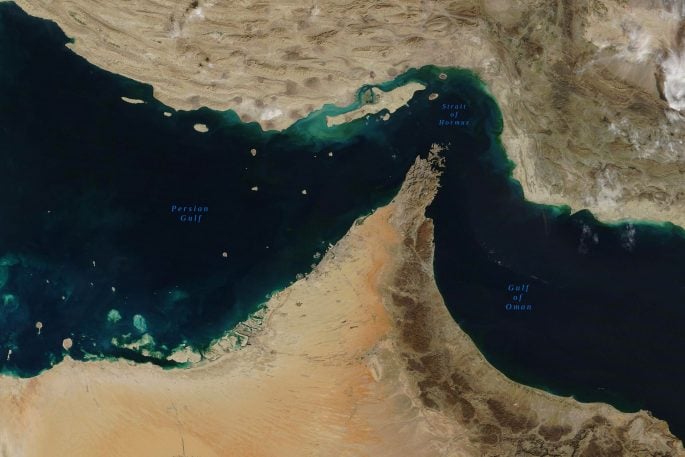
Iran manages Strait of Hormuz traffic, impacting global oil trade
Strait of Hormuz Normal Traffic
## Market Snapshot
The market on “Strait of Hormuz traffic returns to normal by June 15” currently shows a 9.5% YES probability, reflecting a slight increase from 8% observed 24 hours ago. Meanwhile, “Will 20 ships transit the Strait of Hormuz on any day by May 31?” is priced at 13.5% YES, down from 14% a day prior.
## Key Takeaways
– The Iranian control over the Strait of Hormuz traffic appears to suggest a decrease in the likelihood of normal traffic resuming by June 15. – Market pricing implies a significant reduction in the chances of 20 ships transiting the strait on any day by May 31. – The news appears consistent with scenarios where oil transportation through the strait is disrupted.
## Article Body
Iran’s recent management of the Strait of Hormuz traffic, akin to air traffic control, involves limiting crossings and selectively permitting ship passage. This approach allows Iran to exert influence over the crucial maritime chokepoint without a complete blockade. The Strait of Hormuz is vital for global oil trade, with approximately 20 million barrels passing through daily. Energy companies are reportedly preparing measures to bypass Iranian-controlled regions to mitigate the impact on oil transportation. The situation escalates tensions in the ongoing Iran–United States regional confrontation while affecting international maritime security and navigation freedom.
## Market Interpretation
The market response to Iran’s control over the Strait of Hormuz indicates a high-impact scenario, consistent with a NO outcome for normal traffic resuming by June 15. The pricing suggests market participants view the disruption as significant, reducing the probability of 20 ships transiting the strait by May 31. The escalation of control implies a major disturbance to shipping activities.
Macro, rates, and crypto—what moved markets and what matters next.
Daily. Free. Join 34,000+ readers across crypto, finance, and policy.
## What to Watch
Key developments to watch include any announcements from Iranian or U.S. officials regarding maritime restrictions or potential diplomatic negotiations. Observers should monitor statements from international bodies like OPEC and the International Maritime Organization for their assessments of shipping conditions. The actions of energy companies in establishing alternative routes will also be crucial in understanding the broader implications for global oil supply chains.
Get live prediction-market analysis, powered by Vera. Sign up for Vera.