
Nexo Earn with Nexo
Israel reports Iranian missile attack, complicating ceasefire efforts

Israel reports Iranian missile attack, complicating ceasefire efforts

Iran launched its first direct strike against Israel since the April ceasefire, with nearly 30 missiles intercepted and retaliatory strikes following swiftly.


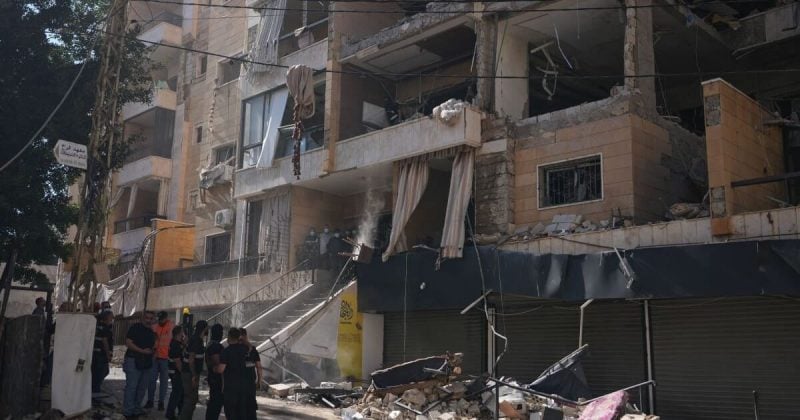
Iran fired missiles at Israel on June 8, marking the first direct military strike between the two nations since a ceasefire was established in April. Israeli forces intercepted nearly 30 incoming missiles, and Israel retaliated with strikes on Iranian territory before both sides declared a temporary pause in offensive operations.

What happened and why it matters

The missile barrage represents a significant escalation from Iran, which had been observing the ceasefire agreed upon in early April. That agreement was already considered tenuous, with proxy engagements continuing across the region even as the formal ceasefire held.

US President Trump has emerged in discussions aimed at deescalating the conflict. His involvement in prior Middle Eastern negotiations has historically produced dramatic swings in both direction and tone, making the near-term diplomatic trajectory difficult to forecast.

Advertisement

How crypto markets have responded to Middle East tensions historically

In February 2026, during an earlier period of geopolitical strain, Bitcoin fell to approximately $63,000. That decline was driven largely by investor anxiety about risks to global oil supplies, a concern that consistently surfaces when Israel and Iran exchange fire.

But crypto markets also operate around the clock, which creates a unique dynamic during crises. When traditional exchanges are closed, whether due to weekends or holidays, crypto platforms absorb the trading activity of investors reacting to breaking news. Historical patterns suggest increased trading volume on crypto platforms during these windows, as digital assets become the only liquid market available for expressing a view on global events.

No specific cryptocurrencies or tokens were directly referenced in connection with the June 8 attacks. It’s a macro event, and macro events tend to move Bitcoin and major assets broadly rather than creating token-specific dislocations.

What this means for investors

The core risk for crypto holders is straightforward: sustained escalation between Iran and Israel would likely trigger prolonged risk-off positioning across global markets. Bitcoin, despite its “digital gold” narrative, has not consistently acted as a safe haven during acute geopolitical crises. It tends to sell off first and recover later.

The April ceasefire lasted roughly two weeks before breaking down. Investors should calibrate their expectations accordingly.

Traders should watch for three things in the coming days. First, whether the declared pause in offensive operations actually holds beyond 48 hours. Second, any movement in oil futures, which will serve as the leading indicator for broader market stress. Third, Bitcoin’s behavior relative to gold. If Bitcoin drops while gold rises, the safe-haven narrative is losing another battle, and that has implications for portfolio construction well beyond this specific conflict.

Disclosure: This article was edited by Editorial Team. For more information on how we create and review content, see our Editorial Policy.

Israel reports Iranian missile attack, complicating ceasefire efforts

Israel reports Iranian missile attack, complicating ceasefire efforts

Iran launched its first direct strike against Israel since the April ceasefire, with nearly 30 missiles intercepted and retaliatory strikes following swiftly.

Share

Add us on Google

Iran fired missiles at Israel on June 8, marking the first direct military strike between the two nations since a ceasefire was established in April. Israeli forces intercepted nearly 30 incoming missiles, and Israel retaliated with strikes on Iranian territory before both sides declared a temporary pause in offensive operations.

What happened and why it matters

The missile barrage represents a significant escalation from Iran, which had been observing the ceasefire agreed upon in early April. That agreement was already considered tenuous, with proxy engagements continuing across the region even as the formal ceasefire held.

US President Trump has emerged in discussions aimed at deescalating the conflict. His involvement in prior Middle Eastern negotiations has historically produced dramatic swings in both direction and tone, making the near-term diplomatic trajectory difficult to forecast.

Advertisement

How crypto markets have responded to Middle East tensions historically

In February 2026, during an earlier period of geopolitical strain, Bitcoin fell to approximately $63,000. That decline was driven largely by investor anxiety about risks to global oil supplies, a concern that consistently surfaces when Israel and Iran exchange fire.

But crypto markets also operate around the clock, which creates a unique dynamic during crises. When traditional exchanges are closed, whether due to weekends or holidays, crypto platforms absorb the trading activity of investors reacting to breaking news. Historical patterns suggest increased trading volume on crypto platforms during these windows, as digital assets become the only liquid market available for expressing a view on global events.

No specific cryptocurrencies or tokens were directly referenced in connection with the June 8 attacks. It’s a macro event, and macro events tend to move Bitcoin and major assets broadly rather than creating token-specific dislocations.

What this means for investors

The core risk for crypto holders is straightforward: sustained escalation between Iran and Israel would likely trigger prolonged risk-off positioning across global markets. Bitcoin, despite its “digital gold” narrative, has not consistently acted as a safe haven during acute geopolitical crises. It tends to sell off first and recover later.

The April ceasefire lasted roughly two weeks before breaking down. Investors should calibrate their expectations accordingly.

Traders should watch for three things in the coming days. First, whether the declared pause in offensive operations actually holds beyond 48 hours. Second, any movement in oil futures, which will serve as the leading indicator for broader market stress. Third, Bitcoin’s behavior relative to gold. If Bitcoin drops while gold rises, the safe-haven narrative is losing another battle, and that has implications for portfolio construction well beyond this specific conflict.

Disclosure: This article was edited by Editorial Team. For more information on how we create and review content, see our Editorial Policy.