
## Market Snapshot
The market for “Strait of Hormuz traffic normal by July 31” is priced at 60% YES, up from 57% a day ago. Meanwhile, “Iran closes its airspace by May 31” is priced at 5% YES, down from 21% a day ago.
## Key Takeaways
– The recent missile attack by Iran on U.S. ships suggests increased tension, which could impact the normalization of Strait of Hormuz traffic. – Qatar’s unfreezing of Iranian assets appears to be part of an indirect negotiation process, potentially easing some diplomatic tensions. – The attack raises the probability of Iran closing its airspace, though current market pricing suggests this remains unlikely in the immediate term.
## Article Body
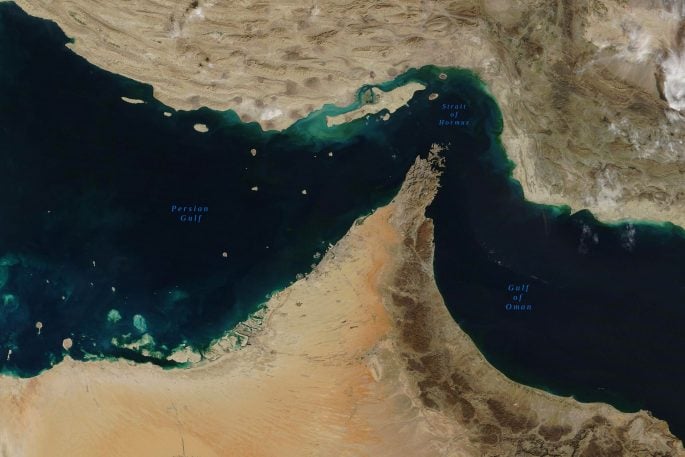
Qatar has reportedly unfrozen Iranian assets as tensions between Iran and the U.S. escalate in the Strait of Hormuz. The critical shipping lane has been the site of recent missile attacks by Iran on U.S. Navy ships, indicating a significant escalation in military confrontations. Qatar, acting as a financial intermediary, has facilitated the release of these assets amid ongoing indirect talks between the U.S. and Iran. This development comes as the U.S. Central Command confirms Iranian missile and drone attacks in the region, raising concerns about potential disruptions to global shipping routes. The Strait of Hormuz is a major chokepoint for oil transportation, and any military escalation poses risks to both commercial and military transits.
See what prediction markets are pricing into the day's biggest stories.
Daily. Free. Join 34,000+ readers across crypto, finance, and policy.
## Market Interpretation
The missile attack by Iran in the Strait of Hormuz is consistent with a decrease in the likelihood of traffic normalization by July 31, as reflected by the market’s current 60% YES pricing. This incident may indicate heightened military tensions, affecting the perceived probability of diplomatic resolutions. The impact is considered high, given the importance of the Strait for global trade. Conversely, the probability of Iran closing its airspace by May 31 has decreased, suggesting that while tensions are high, an immediate airspace closure is not expected.
## What to Watch
Observers should monitor any further military actions or diplomatic statements from the U.S. and Iran, as these could influence market perceptions of regional stability. Additionally, Qatar’s ongoing role as a mediator may provide clues to potential de-escalation efforts. Key dates include updates from the IMF PortWatch on shipping conditions and any announcements regarding Iranian airspace policies. These developments will be crucial in assessing the likelihood of normalization in the Strait of Hormuz and the potential for airspace closures.