
Fars News Agency reports Iranian missile strikes on US bases in Qatar and UAE

Fars News Agency reports Iranian missile strikes on US bases in Qatar and UAE

IRGC-affiliated media says ballistic missiles hit Al Udeid and Al Dhafra as the 2026 Iran conflict enters a dangerous new phase

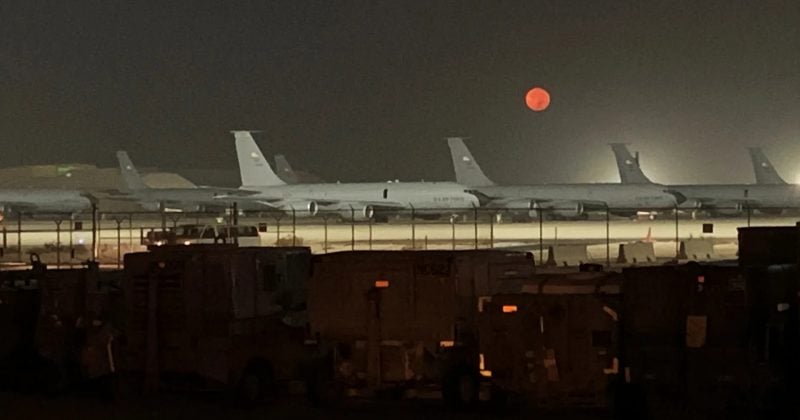
Iran’s Fars News Agency, which operates under close ties to the Islamic Revolutionary Guard Corps, is reporting that Iranian ballistic missiles struck US military installations in Qatar and the UAE on July 9 and 10, 2026. Explosions at the targeted bases were described as ongoing at the time of publication.

The two sites named in the reports are Al Udeid Air Base in Qatar and Al Dhafra Air Base in the UAE.

How we got here

This escalation does not come out of nowhere. The current conflict traces back to US and Israeli strikes on Iranian military and nuclear facilities in February 2026, which Tehran vowed to answer with force.

Advertisement

Iranian retaliatory attacks began in the weeks following those February strikes and continued through June 2026, establishing a pattern of Iranian targeting of Gulf states that host American forces.

What the crypto market is watching

During earlier escalations in February 2026, Bitcoin dropped to approximately $63,000 intraday before recovering. A single day of conflict-driven selling wiped roughly $128 billion from the total crypto market cap during that episode.

Oil price volatility is the transmission mechanism that connects Middle East conflict to traditional financial markets, and from there to crypto. A sustained spike in crude prices feeds inflation expectations, complicates central bank policy, and puts pressure on risk assets across the board.

Stablecoin inflows tend to spike during these windows as traders rotate out of volatile assets. On-chain data from prior escalations showed USDT and USDC seeing elevated transfer volumes in the hours following major conflict developments.

There is currently no indication that any specific crypto protocol or on-chain infrastructure has been directly disrupted by the strikes.

What investors should watch next

The first variable to track is official confirmation or denial from the US Department of Defense, the Qatari government, and UAE authorities. Fars News Agency, as an IRGC-affiliated outlet, has a documented history of presenting information in ways that serve Iranian strategic communication goals.

For crypto specifically, the key threshold question is whether this conflict expands to include any disruption of the Strait of Hormuz, through which a significant share of global oil supply passes.

Disclosure: This article was edited by Editorial Team. For more information on how we create and review content, see our Editorial Policy.

Fars News Agency reports Iranian missile strikes on US bases in Qatar and UAE

Fars News Agency reports Iranian missile strikes on US bases in Qatar and UAE

IRGC-affiliated media says ballistic missiles hit Al Udeid and Al Dhafra as the 2026 Iran conflict enters a dangerous new phase

Iran’s Fars News Agency, which operates under close ties to the Islamic Revolutionary Guard Corps, is reporting that Iranian ballistic missiles struck US military installations in Qatar and the UAE on July 9 and 10, 2026. Explosions at the targeted bases were described as ongoing at the time of publication.

The two sites named in the reports are Al Udeid Air Base in Qatar and Al Dhafra Air Base in the UAE.

How we got here

This escalation does not come out of nowhere. The current conflict traces back to US and Israeli strikes on Iranian military and nuclear facilities in February 2026, which Tehran vowed to answer with force.

Advertisement

Iranian retaliatory attacks began in the weeks following those February strikes and continued through June 2026, establishing a pattern of Iranian targeting of Gulf states that host American forces.

What the crypto market is watching

During earlier escalations in February 2026, Bitcoin dropped to approximately $63,000 intraday before recovering. A single day of conflict-driven selling wiped roughly $128 billion from the total crypto market cap during that episode.

Oil price volatility is the transmission mechanism that connects Middle East conflict to traditional financial markets, and from there to crypto. A sustained spike in crude prices feeds inflation expectations, complicates central bank policy, and puts pressure on risk assets across the board.

Stablecoin inflows tend to spike during these windows as traders rotate out of volatile assets. On-chain data from prior escalations showed USDT and USDC seeing elevated transfer volumes in the hours following major conflict developments.

There is currently no indication that any specific crypto protocol or on-chain infrastructure has been directly disrupted by the strikes.

What investors should watch next

The first variable to track is official confirmation or denial from the US Department of Defense, the Qatari government, and UAE authorities. Fars News Agency, as an IRGC-affiliated outlet, has a documented history of presenting information in ways that serve Iranian strategic communication goals.

For crypto specifically, the key threshold question is whether this conflict expands to include any disruption of the Strait of Hormuz, through which a significant share of global oil supply passes.

Disclosure: This article was edited by Editorial Team. For more information on how we create and review content, see our Editorial Policy.