
Iran’s oil exports will keep flowing despite US yanking sanctions waiver, and here’s why crypto markets should care
The revocation of a 60-day oil waiver triggered a 5% spike in crude prices, but Iran's shadow fleet and digital asset workarounds signal a much bigger story for markets.
On June 22, the US Treasury’s Office of Foreign Assets Control issued what’s known as General License X, a 60-day authorization permitting the production, delivery, and sale of Iranian crude oil, petroleum products, and petrochemicals through August 21. The waiver was tied to delicate negotiations around reopening the Strait of Hormuz. But on July 7, Washington pulled the plug, citing Iranian attacks on vessels in the region, and moved the cutoff date up to July 17.
Oil prices jumped more than 5% on the news.
The shadow fleet keeps the lights on
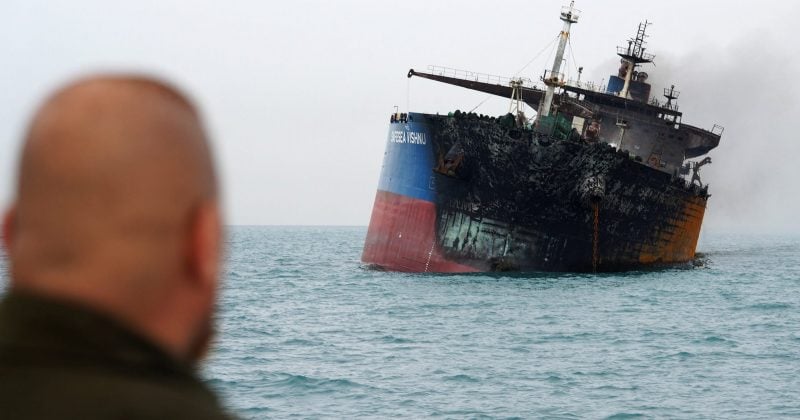
Iran has spent years building a sophisticated network of ship-to-ship transfers, falsified documentation, and what analysts call a “shadow fleet” to keep crude flowing to willing buyers. The biggest buyer, as always, is China. Iranian oil sales generate billions of dollars annually for Tehran’s economy.
Tankers flying flags of convenience, AIS transponders conveniently switched off, and cargoes blended at sea to obscure origin are all well-documented tactics.
The crypto connection is more direct than you think
On June 2, just weeks before the oil waiver was issued, the US sanctioned Nobitex, Iran’s largest digital asset exchange. The Treasury Department accused Nobitex of aiding the Islamic Revolutionary Guard Corps and facilitating the regime’s broader sanctions evasion efforts.
Macro, rates, and crypto—what moved markets and what matters next.
Daily. Free. Join 34,000+ readers across crypto, finance, and policy.
As traditional banking channels become increasingly hostile to Iranian transactions, digital assets have emerged as a viable alternative for moving value across borders without touching the SWIFT system. The sanctioning of Nobitex signals that US regulators are paying close attention to the intersection of digital assets and sanctions evasion.
What this means for investors
The immediate market signal is straightforward: oil price volatility is back, and it’s geopolitically driven. A 5% surge on a single policy reversal is significant.
For crypto investors specifically, the Nobitex sanctions are a preview of coming attractions. The US has made it clear that digital asset platforms facilitating transactions for sanctioned entities will face consequences. This creates compliance risk for exchanges that don’t have robust screening mechanisms, and it creates opportunity for blockchain analytics firms and compliance-focused infrastructure providers.