
Iran sends loaded oil tankers past US blockade line, floats Bitcoin for Hormuz transit payments

Iran sends loaded oil tankers past US blockade line, floats Bitcoin for Hormuz transit payments

At least 26 Iran-linked vessels slipped through the US naval blockade as Tehran explores crypto-based workarounds for oil trade

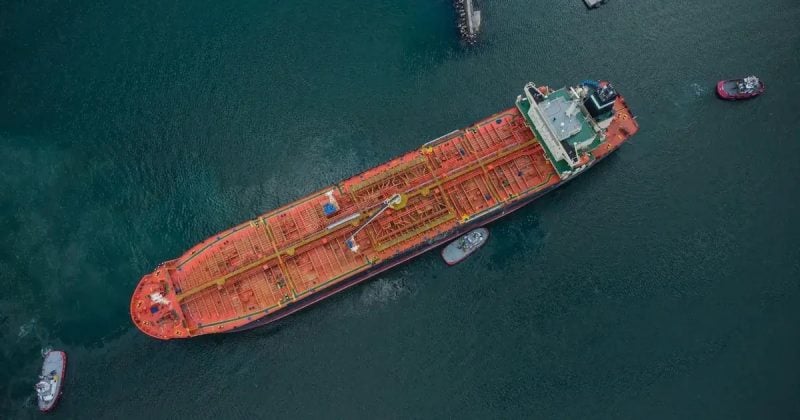
Iran has managed to push loaded oil tankers through the US naval blockade in the Strait of Hormuz. At least 26 Iran-linked ships, including 11 oil and gas tankers, successfully navigated past the blockade line by April 20-21, 2026, just days after US forces established the cordon on April 13.

Among the vessels that made it through were the Hero II, Hedy, Diona, and Sonia I, collectively carrying an estimated 3.8 to 5 million barrels of crude oil.

A blockade that leaks

The US naval blockade of Iranian ports kicked off on April 13, 2026, part of the broader escalation now referred to as the 2026 Iran conflict. The intent was straightforward: choke off Iran’s crude exports and apply maximum economic pressure.

Advertisement

Iranian crude exports cratered to approximately 260,000 barrels per day in May 2026, a six-year low. Iran was shipping well over a million barrels per day before the blockade began.

The US escalated in May 2026, when American forces disabled two Iranian-flagged tankers, a move that contributed to oil prices spiking above $110 per barrel.

Bitcoin enters the oil trade

Iran has proposed using Bitcoin payments for Hormuz transit, with an estimated rate of roughly $1 per barrel during temporary truces.

Following renewed diplomatic talks, there are signs of gradual recovery in exports, with limited tanker movement resuming in mid-June.

What this means for investors

Oil above $110 per barrel puts inflationary pressure on the entire global economy. At the same time, if Iran successfully routes oil-related payments through Bitcoin, it validates a censorship-resistant international settlement use case. Investors should watch whether the renewed diplomatic talks produce any formal framework that legitimizes crypto-based transit payments, and whether oil supply disruptions intensify enough to push crude prices further above $110.

Disclosure: This article was edited by Editorial Team. For more information on how we create and review content, see our Editorial Policy.

Iran sends loaded oil tankers past US blockade line, floats Bitcoin for Hormuz transit payments

Iran sends loaded oil tankers past US blockade line, floats Bitcoin for Hormuz transit payments

At least 26 Iran-linked vessels slipped through the US naval blockade as Tehran explores crypto-based workarounds for oil trade

Iran has managed to push loaded oil tankers through the US naval blockade in the Strait of Hormuz. At least 26 Iran-linked ships, including 11 oil and gas tankers, successfully navigated past the blockade line by April 20-21, 2026, just days after US forces established the cordon on April 13.

Among the vessels that made it through were the Hero II, Hedy, Diona, and Sonia I, collectively carrying an estimated 3.8 to 5 million barrels of crude oil.

A blockade that leaks

The US naval blockade of Iranian ports kicked off on April 13, 2026, part of the broader escalation now referred to as the 2026 Iran conflict. The intent was straightforward: choke off Iran’s crude exports and apply maximum economic pressure.

Advertisement

Iranian crude exports cratered to approximately 260,000 barrels per day in May 2026, a six-year low. Iran was shipping well over a million barrels per day before the blockade began.

The US escalated in May 2026, when American forces disabled two Iranian-flagged tankers, a move that contributed to oil prices spiking above $110 per barrel.

Bitcoin enters the oil trade

Iran has proposed using Bitcoin payments for Hormuz transit, with an estimated rate of roughly $1 per barrel during temporary truces.

Following renewed diplomatic talks, there are signs of gradual recovery in exports, with limited tanker movement resuming in mid-June.

What this means for investors

Oil above $110 per barrel puts inflationary pressure on the entire global economy. At the same time, if Iran successfully routes oil-related payments through Bitcoin, it validates a censorship-resistant international settlement use case. Investors should watch whether the renewed diplomatic talks produce any formal framework that legitimizes crypto-based transit payments, and whether oil supply disruptions intensify enough to push crude prices further above $110.

Disclosure: This article was edited by Editorial Team. For more information on how we create and review content, see our Editorial Policy.