
Nexo Earn with Nexo
Iran refuses to hand over highly enriched uranium stockpile, complicating US negotiations

Iran refuses to hand over highly enriched uranium stockpile, complicating US negotiations

Tehran says nuclear materials stay on Iranian soil, offering to down-blend under IAEA supervision instead of exporting the stockpile.

A senior Iranian source confirmed to Reuters that Tehran has not agreed to transfer its stockpile of highly enriched uranium out of the country. The statement directly contradicts earlier reports suggesting that preliminary discussions with the United States had produced an agreement in principle to relinquish the material.

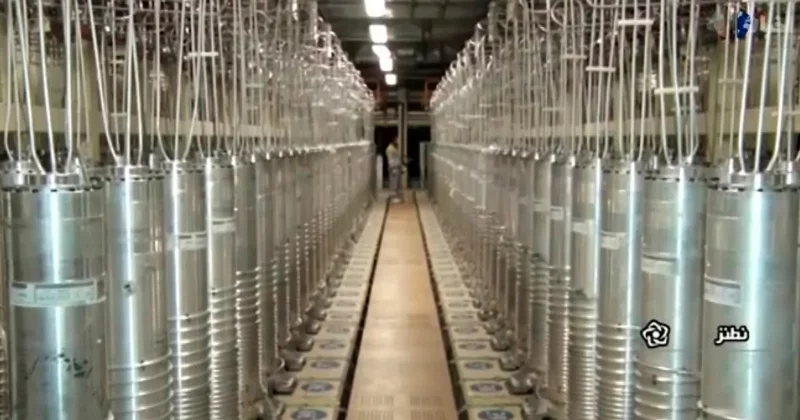
Iran holds approximately 440.9 kg of uranium enriched to 60%, a concentration that approaches weapons-grade levels. It also possesses roughly 184.1 kg enriched to 20%, according to IAEA data.

What Iran is actually offering

Iranian representatives have signaled a willingness to down-blend the enriched uranium domestically, meaning they would dilute the concentration to lower levels under International Atomic Energy Agency supervision. What they will not do is put it on a plane.

Advertisement

Iran’s position has been reinforced by Supreme Leader directives stipulating that nuclear materials will not leave the country.

The US side has reportedly linked any potential stockpile removal to the release of approximately $20 billion in frozen Iranian funds. The trade being proposed is essentially: give up your most sensitive nuclear material, get your money back.

Diplomatic context and the conflicting signals

Multiple media outlets had previously reported that Iran was moving toward an agreement to export the enriched uranium, creating expectations that a breakthrough might be imminent. The senior Iranian source’s statement to Reuters essentially pulled the rug out from under those reports.

Mediation efforts have reportedly involved Pakistan, adding another layer of complexity to an already crowded negotiating table.

What makes this particular moment different is the scale of the enrichment. The 60% enrichment threshold represents a qualitative leap. Going from 60% to weapons-grade 90% enrichment is technically a much shorter journey than getting from natural uranium to 60% in the first place.

What this means for markets and risk assets

The most immediate impact channel runs through oil prices. Iran sits on some of the world’s largest proven reserves, and any escalation in tensions raises the specter of supply disruptions in the Persian Gulf.

The lack of a clear resolution on the uranium question keeps a floor under geopolitical risk premiums. Traders pricing energy futures and related instruments have to account for the possibility that negotiations could deteriorate further, potentially leading to new sanctions, military posturing, or both.

Disclosure: This article was edited by Editorial Team. For more information on how we create and review content, see our Editorial Policy.

Iran refuses to hand over highly enriched uranium stockpile, complicating US negotiations

Iran refuses to hand over highly enriched uranium stockpile, complicating US negotiations

Tehran says nuclear materials stay on Iranian soil, offering to down-blend under IAEA supervision instead of exporting the stockpile.

A senior Iranian source confirmed to Reuters that Tehran has not agreed to transfer its stockpile of highly enriched uranium out of the country. The statement directly contradicts earlier reports suggesting that preliminary discussions with the United States had produced an agreement in principle to relinquish the material.

Iran holds approximately 440.9 kg of uranium enriched to 60%, a concentration that approaches weapons-grade levels. It also possesses roughly 184.1 kg enriched to 20%, according to IAEA data.

What Iran is actually offering

Iranian representatives have signaled a willingness to down-blend the enriched uranium domestically, meaning they would dilute the concentration to lower levels under International Atomic Energy Agency supervision. What they will not do is put it on a plane.

Advertisement

Iran’s position has been reinforced by Supreme Leader directives stipulating that nuclear materials will not leave the country.

The US side has reportedly linked any potential stockpile removal to the release of approximately $20 billion in frozen Iranian funds. The trade being proposed is essentially: give up your most sensitive nuclear material, get your money back.

Diplomatic context and the conflicting signals

Multiple media outlets had previously reported that Iran was moving toward an agreement to export the enriched uranium, creating expectations that a breakthrough might be imminent. The senior Iranian source’s statement to Reuters essentially pulled the rug out from under those reports.

Mediation efforts have reportedly involved Pakistan, adding another layer of complexity to an already crowded negotiating table.

What makes this particular moment different is the scale of the enrichment. The 60% enrichment threshold represents a qualitative leap. Going from 60% to weapons-grade 90% enrichment is technically a much shorter journey than getting from natural uranium to 60% in the first place.

What this means for markets and risk assets

The most immediate impact channel runs through oil prices. Iran sits on some of the world’s largest proven reserves, and any escalation in tensions raises the specter of supply disruptions in the Persian Gulf.

The lack of a clear resolution on the uranium question keeps a floor under geopolitical risk premiums. Traders pricing energy futures and related instruments have to account for the possibility that negotiations could deteriorate further, potentially leading to new sanctions, military posturing, or both.

Disclosure: This article was edited by Editorial Team. For more information on how we create and review content, see our Editorial Policy.