
Market Snapshot
The market “Strait of Hormuz traffic returns to normal by June 15” is currently priced at 0.5% YES, indicating severe doubts about a quick resolution. Meanwhile, “Strait of Hormuz traffic returns to normal by July 31” is at 21.5% YES, reflecting ongoing concerns about prolonged disruption.
Key Takeaways
- Iran’s full shutdown of the Strait of Hormuz appears to decrease the likelihood of normal maritime traffic by June 15.
- The escalation may indicate increased pressure on the U.S. to negotiate, potentially affecting related political markets.
- The closure suggests a prolonged disruption in the Strait, reflected in decreased confidence for a return to normal traffic by July 31.
Article Body
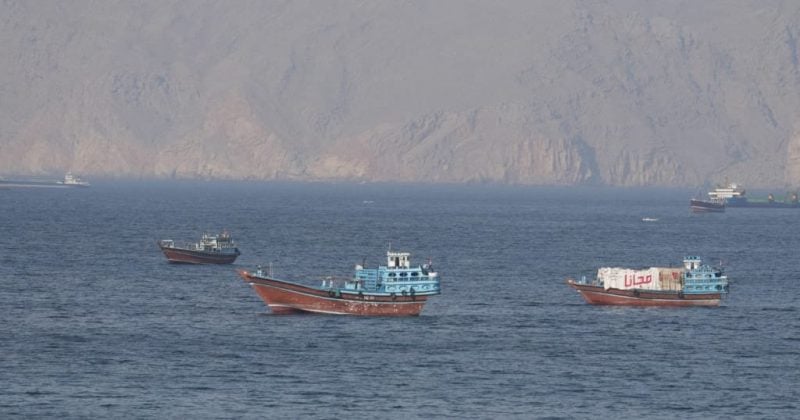
Iran has announced the complete shutdown of the Strait of Hormuz following recent U.S. military strikes. This development marks a critical escalation in the ongoing 2026 Iran war, a conflict involving Iran, the United States, and Israel, with significant military activities in the Gulf region. The Strait of Hormuz is a vital conduit for global oil and LNG traffic, and any disruption threatens international energy markets. Historically, the Strait has been a flashpoint in geopolitical tensions, and its closure indicates heightened risks of further military and economic conflict.
Market Interpretation
The impact of Iran’s announcement is considered high on the relevant prediction markets. The full shutdown is consistent with a decrease in the likelihood of normal traffic resuming by June 15, as indicated by the very low 0.5% YES pricing. The July 31 market also reflects this impact, with a 21.5% YES, suggesting market participants are skeptical about a quick resolution without significant diplomatic developments. The situation is viewed as increasing pressure on the U.S. to engage in negotiations.
What to Watch
Observers should monitor diplomatic engagements between the U.S. and Iran, particularly any negotiations that could lead to de-escalation. The actions of key actors, such as the U.S. Navy and Iranian military forces, will be crucial in determining the likelihood of reopening the Strait. Additionally, statements from international bodies like OPEC and the International Maritime Organization could provide insights into the broader economic impact of the closure.