
Nexo Earn with Nexo
Iran disputes Trump’s claims, says Strait of Hormuz remains closed

Iran disputes Trump’s claims, says Strait of Hormuz remains closed

The standoff over the world's most critical oil chokepoint is reshaping energy markets and pushing Iran deeper into crypto-based trade settlements.

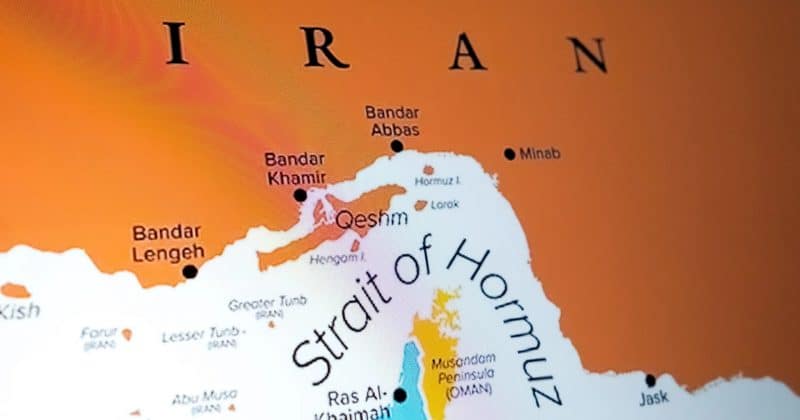
Iran’s military confirmed on June 11, 2026, that the Strait of Hormuz remains closed to all vessels, directly contradicting President Trump’s assertion that shipping lanes are functioning. The disagreement between Washington and Tehran over what is actually happening in one of the world’s most strategically vital waterways has created a fog-of-war situation with very real consequences for oil prices, global trade, and, increasingly, crypto markets.

The strait, which normally handles roughly 70 vessels per day, has seen traffic plummet to between 2 and 5 ships since strikes on February 28 triggered the closure.

Two governments, two realities

President Trump has claimed the US facilitated the secret movement of millions of barrels of oil through the strait under an initiative called “Project Freedom.” Iranian authorities are having none of it. Tehran maintains the waterway is sealed and has demanded the lifting of US blockades before any reopening is considered.

Advertisement

Oil prices have blown past $100 per barrel and hit peaks of $126 during the worst of the crisis. Crude was trading well below that threshold before the February escalation.

Iran has reinforced its position by threatening foreign vessels attempting passage. Meanwhile, calls for US military escorts for commercial ships have intensified.

Bitcoin, USDT, and the toll booth at the edge of war

Since mid-March 2026, Iran’s Islamic Revolutionary Guard Corps has been accepting Bitcoin or USDT for transit tolls of up to $2 million per vessel.

With Iran under heavy US sanctions, accepting payments in yuan or digital assets lets Tehran bypass dollar-denominated financial infrastructure entirely.

What this means for investors

Bitcoin has been whipsawing alongside every headline from the region. The price dropped below $69,200 during acute crisis moments and has hovered near $67,500 during periods of apparent de-escalation.

Iran’s integration of crypto payment systems for transit tolls could accelerate interest from other sanctioned or sanctions-adjacent economies looking for dollar alternatives, representing a meaningful new source of demand for stablecoins in particular, though it would also invite significantly more regulatory scrutiny from Western governments.

Disclosure: This article was edited by Editorial Team. For more information on how we create and review content, see our Editorial Policy.

Iran disputes Trump’s claims, says Strait of Hormuz remains closed

Iran disputes Trump’s claims, says Strait of Hormuz remains closed

The standoff over the world's most critical oil chokepoint is reshaping energy markets and pushing Iran deeper into crypto-based trade settlements.

Iran’s military confirmed on June 11, 2026, that the Strait of Hormuz remains closed to all vessels, directly contradicting President Trump’s assertion that shipping lanes are functioning. The disagreement between Washington and Tehran over what is actually happening in one of the world’s most strategically vital waterways has created a fog-of-war situation with very real consequences for oil prices, global trade, and, increasingly, crypto markets.

The strait, which normally handles roughly 70 vessels per day, has seen traffic plummet to between 2 and 5 ships since strikes on February 28 triggered the closure.

Two governments, two realities

President Trump has claimed the US facilitated the secret movement of millions of barrels of oil through the strait under an initiative called “Project Freedom.” Iranian authorities are having none of it. Tehran maintains the waterway is sealed and has demanded the lifting of US blockades before any reopening is considered.

Advertisement

Oil prices have blown past $100 per barrel and hit peaks of $126 during the worst of the crisis. Crude was trading well below that threshold before the February escalation.

Iran has reinforced its position by threatening foreign vessels attempting passage. Meanwhile, calls for US military escorts for commercial ships have intensified.

Bitcoin, USDT, and the toll booth at the edge of war

Since mid-March 2026, Iran’s Islamic Revolutionary Guard Corps has been accepting Bitcoin or USDT for transit tolls of up to $2 million per vessel.

With Iran under heavy US sanctions, accepting payments in yuan or digital assets lets Tehran bypass dollar-denominated financial infrastructure entirely.

What this means for investors

Bitcoin has been whipsawing alongside every headline from the region. The price dropped below $69,200 during acute crisis moments and has hovered near $67,500 during periods of apparent de-escalation.

Iran’s integration of crypto payment systems for transit tolls could accelerate interest from other sanctioned or sanctions-adjacent economies looking for dollar alternatives, representing a meaningful new source of demand for stablecoins in particular, though it would also invite significantly more regulatory scrutiny from Western governments.

Disclosure: This article was edited by Editorial Team. For more information on how we create and review content, see our Editorial Policy.