
Nexo Earn with Nexo
Iran targets US ships near Strait of Hormuz with missiles and drones

https://www.marineinsight.com/iran-fires-drones-missiles-towards-ships-in-strait-of-hormuz-gulf-neighbours-u-s-shoots-down-4/

Iran targets US ships near Strait of Hormuz with missiles and drones

US invasion of Iran

Market Snapshot

The “U.S. invasion of Iran before 2027” market currently prices at 22.5% YES, up from 19% a day ago. The “countries sending warships through Hormuz by June 30, 2026” market shows 9% YES for the UK. The “Strait of Hormuz traffic normal by July 31” market sees a decrease to 25.5% YES from 30%.

Key Takeaways

  • The incident appears to increase the likelihood of U.S. military action, as reflected in market pricing.
  • There is an observed shift in likelihood that allied countries could send warships to Hormuz, supportive of a YES outcome.
  • The attack suggests significant disruption in the Strait of Hormuz, reducing expectations of normal traffic by July 31.

Article Body

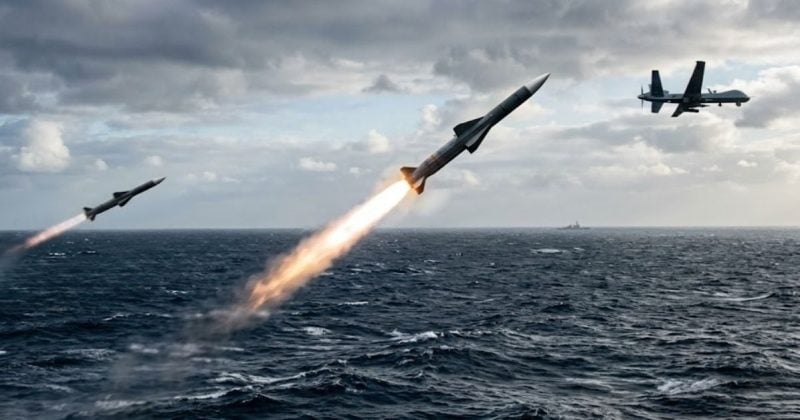
Iranian state media has reported that Iranian armed forces launched missiles and drones at U.S. ships near the Strait of Hormuz. This development is part of the ongoing U.S.-Iran military confrontation in the region, which has seen heightened tensions and active combat. The Strait of Hormuz is a strategically significant maritime choke point, and attacks there have broader implications for global shipping and energy markets. The incident marks a direct escalation in hostilities, targeting U.S. naval assets rather than commercial shipping, consistent with retaliatory patterns observed in recent clashes.

Advertisement

Market Interpretation

The news is supportive of a YES outcome for the “U.S. invasion of Iran before 2027” market, reflecting a high-impact development as tensions escalate. The attack could also prompt allied naval deployments, consistent with increased YES pricing in markets forecasting warship movements through Hormuz. Conversely, the likelihood of normal traffic in the Strait of Hormuz by July 31 appears less probable, as the market reflects a decline in YES pricing.

What to Watch

Observers should monitor potential U.S. military responses and statements from the Trump administration, which could further influence market perceptions. Additionally, any movements or announcements from allied countries regarding naval deployments to the region could impact related markets. The situation around the Strait of Hormuz remains fluid, with potential developments affecting maritime traffic and broader geopolitical dynamics.

Get prediction market intelligence as a structured API feed. Early access waitlist.

Disclosure: This article was edited by Estefano Gomez. For more information on how we create and review content, see our Editorial Policy.

Iran targets US ships near Strait of Hormuz with missiles and drones

Iran targets US ships near Strait of Hormuz with missiles and drones

US invasion of Iran

https://www.marineinsight.com/iran-fires-drones-missiles-towards-ships-in-strait-of-hormuz-gulf-neighbours-u-s-shoots-down-4/

Market Snapshot

The “U.S. invasion of Iran before 2027” market currently prices at 22.5% YES, up from 19% a day ago. The “countries sending warships through Hormuz by June 30, 2026” market shows 9% YES for the UK. The “Strait of Hormuz traffic normal by July 31” market sees a decrease to 25.5% YES from 30%.

Key Takeaways

  • The incident appears to increase the likelihood of U.S. military action, as reflected in market pricing.
  • There is an observed shift in likelihood that allied countries could send warships to Hormuz, supportive of a YES outcome.
  • The attack suggests significant disruption in the Strait of Hormuz, reducing expectations of normal traffic by July 31.

Article Body

Iranian state media has reported that Iranian armed forces launched missiles and drones at U.S. ships near the Strait of Hormuz. This development is part of the ongoing U.S.-Iran military confrontation in the region, which has seen heightened tensions and active combat. The Strait of Hormuz is a strategically significant maritime choke point, and attacks there have broader implications for global shipping and energy markets. The incident marks a direct escalation in hostilities, targeting U.S. naval assets rather than commercial shipping, consistent with retaliatory patterns observed in recent clashes.

Advertisement

Market Interpretation

The news is supportive of a YES outcome for the “U.S. invasion of Iran before 2027” market, reflecting a high-impact development as tensions escalate. The attack could also prompt allied naval deployments, consistent with increased YES pricing in markets forecasting warship movements through Hormuz. Conversely, the likelihood of normal traffic in the Strait of Hormuz by July 31 appears less probable, as the market reflects a decline in YES pricing.

What to Watch

Observers should monitor potential U.S. military responses and statements from the Trump administration, which could further influence market perceptions. Additionally, any movements or announcements from allied countries regarding naval deployments to the region could impact related markets. The situation around the Strait of Hormuz remains fluid, with potential developments affecting maritime traffic and broader geopolitical dynamics.

Get prediction market intelligence as a structured API feed. Early access waitlist.

Disclosure: This article was edited by Estefano Gomez. For more information on how we create and review content, see our Editorial Policy.