
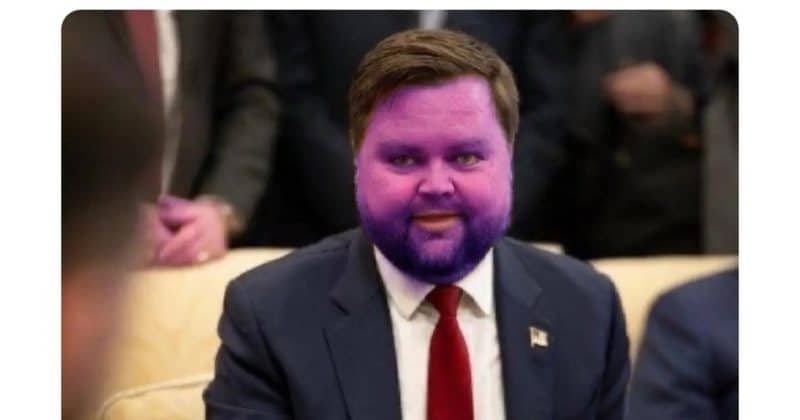
Iran and US to formally sign memorandum in Geneva with JD Vance and Ghalibaf present
The agreement aims to end the US blockade of Iran and reopen the Strait of Hormuz, with a formal ceremony set for June 19 in Switzerland
The United States and Iran are heading to Geneva for what might be the most consequential diplomatic event between the two nations in decades. A formal signing ceremony for a memorandum of understanding is scheduled for June 19, 2026, with US Vice President JD Vance and Iranian Parliament Speaker Mohammad Bagher Ghalibaf both confirmed to attend.
The MOU was already digitally signed on June 14 by President Donald Trump, Vance, and Ghalibaf. The Geneva event transforms what was a virtual handshake into an in-person diplomatic moment, with Iranian Foreign Minister Abbas Araghchi also expected to participate.
What the memorandum actually covers
The agreement centers on two concrete objectives: ending the US blockade of Iran and reopening the Strait of Hormuz to maritime shipping. For anyone not tracking global shipping chokepoints, the Strait of Hormuz is the narrow waterway through which roughly a fifth of the world’s oil supply passes on any given day. Its closure has been one of the most disruptive consequences of the conflict that escalated starting February 28, 2026.
Beyond those immediate goals, the MOU establishes a framework for extended ceasefire negotiations that could last up to 60 days.
One notable detail: the agreement does not involve unfreezing any Iranian assets. Previous rounds of US-Iran diplomacy have often centered on frozen funds as a bargaining chip, making this omission a deliberate signal about the scope and nature of this particular deal.
The full text of the MOU has not been publicly released. US officials have indicated the document will be made available shortly after the Geneva ceremony.
Macro, rates, and crypto—what moved markets and what matters next.
Daily. Free. Join 34,000+ readers across crypto, finance, and policy.
The road to Geneva ran through Islamabad
This agreement did not materialize overnight. High-level delegations from both countries held prior negotiations in Islamabad, Pakistan, where the groundwork for de-escalation was laid.
The conflict that this MOU seeks to address escalated on February 28, 2026, involving US and Israeli military actions against Iran.
Iran’s decision to send Ghalibaf, the Parliament Speaker, rather than solely relying on its foreign ministry apparatus, signals that Tehran wants this agreement to carry domestic political weight. Ghalibaf is a major political figure in Iran with presidential ambitions and deep ties to the Islamic Revolutionary Guard Corps. His involvement suggests the agreement has buy-in from multiple power centers within the Iranian government, not just the diplomatic corps.
On the US side, Vance’s presence at the ceremony elevates the event beyond a typical State Department exercise. Vice presidential attendance at a bilateral signing ceremony with Iran is, to put it mildly, unusual.
What this means for markets and investors
The fact that the full text remains unpublished adds another layer of uncertainty. Until markets can read the actual terms, much of the reaction will be based on signaling rather than substance. Watch for the document release after June 19, that’s when the real analysis begins.
A memorandum of understanding is not a treaty. It is not legally binding in the way a ratified agreement would be. The 60-day ceasefire negotiation window is exactly that, a window. It can close.