
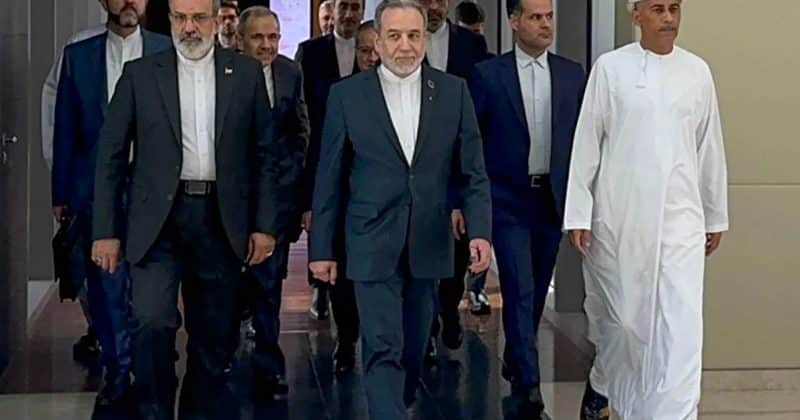
Iran gains economic lifeline in preliminary peace talks with US
A memorandum of understanding signed June 17 could unlock billions in frozen assets for Tehran while reshaping crypto and oil markets
The United States and Iran have signed a memorandum of understanding that could funnel up to $25 billion in frozen assets back to Tehran, marking the most consequential diplomatic breakthrough between the two nations in decades. The deal, brokered through Pakistani and Qatari mediation, effectively hands Iran’s battered economy a defibrillator after months of military escalation that began with US and Israeli strikes on February 28, 2026.
President Donald Trump and Iranian President Masoud Pezeshkian put pen to paper on June 17, 2026, setting a 60-day clock for deeper negotiations on Iran’s nuclear program and military de-escalation.
What’s actually in the deal
The MOU is structured in layers, each one carrying progressively larger dollar signs. Iran could gain immediate access to roughly $12 billion in frozen assets. The total potential support package reaches $24 to $25 billion, with broader reconstruction commitments potentially exceeding $300 billion over time.
The agreement also addresses two critical chokepoints for global trade. The Strait of Hormuz is set to reopen. The US naval blockade would end. Further talks are expected to take place at a planned summit at Lake Lucerne in Switzerland, where the nuclear question and military drawdown will take center stage. The 60-day window means negotiators have until mid-August to turn a preliminary framework into something with real teeth.
Markets reacted before the ink dried
Bitcoin surged past $65,000 in the wake of the agreement. Oil prices, meanwhile, declined by approximately 5%, reflecting expectations that the Strait of Hormuz reopening would ease supply constraints.
Macro, rates, and crypto—what moved markets and what matters next.
Daily. Free. Join 34,000+ readers across crypto, finance, and policy.
The sanctions paradox
Just two weeks before the MOU was signed, on June 2, 2026, the US Treasury sanctioned Nobitex, Iran’s largest digital asset exchange, along with several other platforms. The charge: sanctions evasion. Hundreds of millions in linked assets were frozen.
Washington is simultaneously offering Tehran an economic lifeline while cracking down on the digital financial infrastructure that Iran used to survive previous rounds of sanctions. The Treasury’s willingness to target exchanges by name and freeze significant sums reinforces that regulatory enforcement isn’t softening just because diplomacy is warming up.
The sanctions on Iranian digital asset exchanges also set a precedent that extends well beyond this specific conflict. Treasury officials have demonstrated they can and will target crypto infrastructure tied to sanctioned nations, which has implications for exchanges operating in other geopolitically sensitive regions. Any platform facilitating transactions that touch sanctioned entities now has a very visible case study in what enforcement looks like.