
Iran secures US agreement to lift sanctions and restart oil sales under tentative MOU
A 14-point memorandum of understanding promises sanctions waivers on Iranian crude, a reopened Strait of Hormuz, and potential access to billions in frozen assets, but full relief hinges on compliance
The US and Iran have agreed on a tentative 14-point memorandum of understanding that would lift sanctions waivers on Iranian oil exports, reopen the Strait of Hormuz, and extend a ceasefire by 60 days.
Iran announced that the US will unfreeze assets, lift all sanctions, and allow oil sales after signing the MOU. Iranian media is painting this as a sweeping victory. US officials have been considerably more measured, clarifying that full sanctions relief remains conditional on Iran’s compliance with a final, verifiable agreement.
What the deal actually says
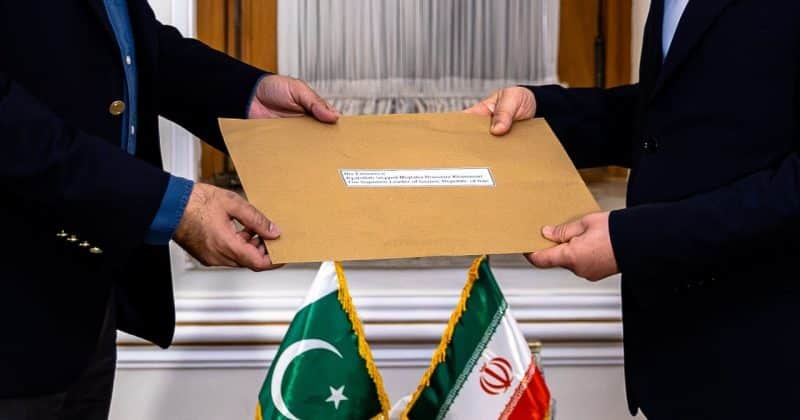
The tentative MOU was reached around June 14-15, 2026, following negotiations influenced by mediators from Pakistan and Qatar. The agreement contains immediate sanctions waivers specifically targeting Iranian crude oil and petrochemical exports, meaning those sectors get relief upon signing.
The Strait of Hormuz is set to reopen. The US naval blockade on Iranian ports would be lifted within approximately 30 days after the MOU is signed.
Reports suggest the deal could also unlock somewhere between $24 billion and $25 billion in frozen Iranian assets during the negotiation period.
President Trump confirmed the blockade lift on social media, with reports pointing to a formal signing scheduled around June 19 in Geneva. The deal does not guarantee an immediate and comprehensive end to all sanctions. Instead, it focuses on oil-related waivers and establishes phased procedures for broader relief down the road.
Why oil markets moved first
The prospect of Iranian crude flowing back into global markets has already sent oil prices lower. The reopening of the Strait of Hormuz is arguably just as significant as the sanctions waivers themselves. Roughly 20% of the world’s oil passes through that narrow waterway on any given day.
Asian equity markets responded with enthusiasm. Both the Nikkei and KOSPI rallied as reduced geopolitical tensions in the Middle East eased fears of energy supply disruptions.
The gap between announcement and reality
The 2015 JCPOA took years of negotiation, was implemented with extensive verification mechanisms, and ultimately collapsed when the US withdrew in 2018.
This MOU follows a different structure. Rather than attempting a grand bargain, it’s built around a ceasefire extension and phased relief. The involvement of Pakistan and Qatar as mediators is notable. Both countries have maintained working relationships with Tehran while keeping lines open to Washington.
The divergence in messaging between Tehran and Washington is worth paying attention to. Iran’s domestic audience is being told sanctions are being lifted. The US is framing this as temporary, conditional waivers.
What this means for investors
For energy investors, the immediate takeaway is that oil supply expectations just shifted. If Iranian crude and petrochemicals start hitting the market under these waivers, global supply increases and prices face downward pressure.
The potential release of $24-25 billion in frozen assets is a separate but related variable. Companies in the UAE, Turkey, and India that historically served as Iran’s primary trading partners may see renewed activity.
The biggest risk is non-compliance. If Iran fails to meet whatever benchmarks the US sets during the 60-day window, the waivers could be revoked and the blockade could resume.
Shipping and insurance markets are another area to monitor. The Strait of Hormuz reopening within 30 days should lower war-risk premiums on tankers transiting the Persian Gulf.