
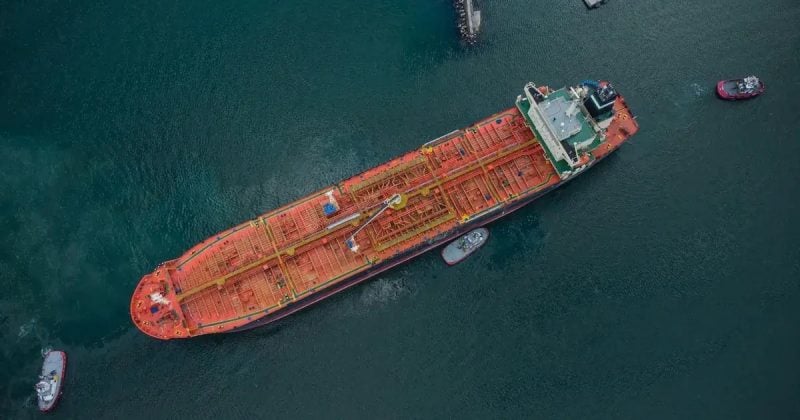
Iran war eases oil tanker backlog in Persian Gulf amid renewed conflict

Iran war eases oil tanker backlog in Persian Gulf amid renewed conflict

A 400-600 ship pileup near the Strait of Hormuz has mostly cleared, but ceasefire collapse and crypto toll demands are rewriting the rules of global energy trade

The conflict escalated sharply when US and Israeli forces struck Iranian targets on February 28, 2026. The strikes effectively choked vessel traffic through the Strait, which handles a significant share of the world’s seaborne oil. At the peak of the disruption, somewhere between 400 and 600 ships were caught in the backlog, a volume that sent Brent crude prices surging to between $80 and $120 per barrel during the worst of the military engagements.

The logjam breaks, briefly

By mid-June 2026, vessel traffic reportedly doubled within single 24-hour windows. Kpler analysis indicated that 118 tankers were expected to exit the Gulf within a 15-day window, with Iranian-flagged National Iranian Tanker Company vessels, including Diona and Hero 2, among those making their way out.

Advertisement

Brent crude responded the way you’d expect: it fell back below $80 per barrel as supply anxiety eased.

In July 2026, the ceasefire collapsed. Renewed military strikes followed, and markets reacted accordingly.

Iran’s unconventional toll booth

During ceasefire windows, Iran reportedly began demanding crypto payments for safe passage through the Strait, specifically Bitcoin and USDT stablecoins, at a rate of approximately $1 per barrel of cargo.

Bitcoin’s price dropped to around $62,000 amid rising oil price pressures, reflecting the broader risk-off sentiment that tends to hit speculative assets when geopolitical stress peaks.

What this means for markets

Trading infrastructure has already adapted faster than policy. Platforms like Hyperliquid have enabled around-the-clock trading on oil-related perpetuals, meaning retail and institutional traders alike can react to a midnight airstrike announcement without waiting for the New York open.

Disclosure: This article was edited by Editorial Team. For more information on how we create and review content, see our Editorial Policy.

Iran war eases oil tanker backlog in Persian Gulf amid renewed conflict

Iran war eases oil tanker backlog in Persian Gulf amid renewed conflict

A 400-600 ship pileup near the Strait of Hormuz has mostly cleared, but ceasefire collapse and crypto toll demands are rewriting the rules of global energy trade

The conflict escalated sharply when US and Israeli forces struck Iranian targets on February 28, 2026. The strikes effectively choked vessel traffic through the Strait, which handles a significant share of the world’s seaborne oil. At the peak of the disruption, somewhere between 400 and 600 ships were caught in the backlog, a volume that sent Brent crude prices surging to between $80 and $120 per barrel during the worst of the military engagements.

The logjam breaks, briefly

By mid-June 2026, vessel traffic reportedly doubled within single 24-hour windows. Kpler analysis indicated that 118 tankers were expected to exit the Gulf within a 15-day window, with Iranian-flagged National Iranian Tanker Company vessels, including Diona and Hero 2, among those making their way out.

Advertisement

Brent crude responded the way you’d expect: it fell back below $80 per barrel as supply anxiety eased.

In July 2026, the ceasefire collapsed. Renewed military strikes followed, and markets reacted accordingly.

Iran’s unconventional toll booth

During ceasefire windows, Iran reportedly began demanding crypto payments for safe passage through the Strait, specifically Bitcoin and USDT stablecoins, at a rate of approximately $1 per barrel of cargo.

Bitcoin’s price dropped to around $62,000 amid rising oil price pressures, reflecting the broader risk-off sentiment that tends to hit speculative assets when geopolitical stress peaks.

What this means for markets

Trading infrastructure has already adapted faster than policy. Platforms like Hyperliquid have enabled around-the-clock trading on oil-related perpetuals, meaning retail and institutional traders alike can react to a midnight airstrike announcement without waiting for the New York open.

Disclosure: This article was edited by Editorial Team. For more information on how we create and review content, see our Editorial Policy.