
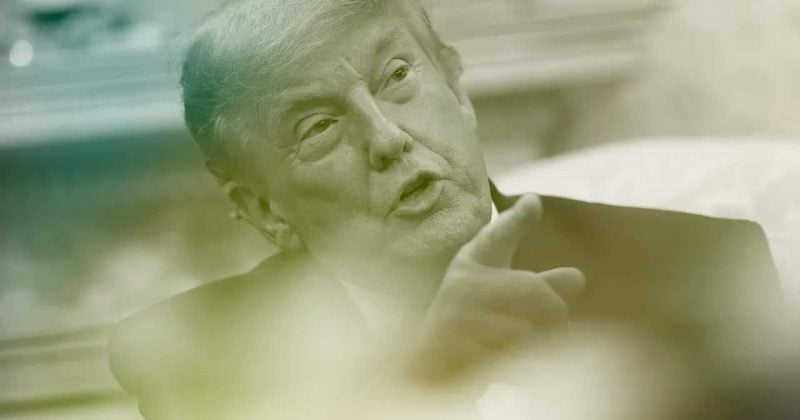
Iran warns of action if US allies in Tel Aviv defy Trump amid 2026 conflict

https://www.newyorker.com/tag/donald-trump

Iran warns of action if US allies in Tel Aviv defy Trump amid 2026 conflict

US-Iran peace talks

Iranian Foreign Minister Seyed Abbas Araghchi has accused U.S. President Donald Trump of pledging to restrain American allies in Tel Aviv, threatening that Iran will act if these allies do not comply. This assertion comes amidst the ongoing 2026 Iran conflict, which began after U.S.–Israeli airstrikes killed Iran’s Supreme Leader Ali Khamenei. The situation remains tense, with a fragile ceasefire currently in place. Araghchi’s statement underscores Iran’s stance on retaliatory actions, potentially heightening geopolitical tensions in the region.

The remarks by Araghchi have notably affected prediction markets, particularly those focused on potential U.S.-Iran diplomatic engagements. Market pricing suggests a perceived decrease in the likelihood of imminent peace talks, with the probability of a U.S.-Iran diplomatic meeting by July 3, 2026, dropping significantly to 10% from 34% just 24 hours prior. This decline reflects concerns over escalating rhetoric and the potential for renewed conflict, which may impede diplomatic efforts.

Advertisement

The broader landscape of prediction markets related to U.S.-Iran relations also shows cautious sentiment. The likelihood of diplomatic meetings occurring in various locations has seen minimal support, illustrating the uncertainty surrounding future negotiations. The current geopolitical climate, compounded by Araghchi’s strong rhetoric, suggests further volatility in such markets.

Key Takeaways

  • Araghchi’s statement appears consistent with decreasing optimism about near-term U.S.-Iran diplomatic talks.
  • Market pricing suggests participants view the probability of a meeting by July 3, 2026, as low, at 10%.
  • The rhetoric may indicate increased geopolitical tension, potentially influencing broader Middle East-related markets.

What to Watch

Observers should monitor any responses from U.S. officials or Israeli leaders that could further influence diplomatic prospects. Developments such as an official announcement from the White House or the Iranian Foreign Ministry concerning future talks could shift market expectations. Additionally, any military actions or significant diplomatic interventions in the region would be key indicators of potential changes in the probability of peace talks.

Get prediction market intelligence as a structured API feed. Early access waitlist.

Disclosure: This article was edited by Estefano Gomez. For more information on how we create and review content, see our Editorial Policy.

Iran warns of action if US allies in Tel Aviv defy Trump amid 2026 conflict

Iran warns of action if US allies in Tel Aviv defy Trump amid 2026 conflict

US-Iran peace talks

https://www.newyorker.com/tag/donald-trump

Iranian Foreign Minister Seyed Abbas Araghchi has accused U.S. President Donald Trump of pledging to restrain American allies in Tel Aviv, threatening that Iran will act if these allies do not comply. This assertion comes amidst the ongoing 2026 Iran conflict, which began after U.S.–Israeli airstrikes killed Iran’s Supreme Leader Ali Khamenei. The situation remains tense, with a fragile ceasefire currently in place. Araghchi’s statement underscores Iran’s stance on retaliatory actions, potentially heightening geopolitical tensions in the region.

The remarks by Araghchi have notably affected prediction markets, particularly those focused on potential U.S.-Iran diplomatic engagements. Market pricing suggests a perceived decrease in the likelihood of imminent peace talks, with the probability of a U.S.-Iran diplomatic meeting by July 3, 2026, dropping significantly to 10% from 34% just 24 hours prior. This decline reflects concerns over escalating rhetoric and the potential for renewed conflict, which may impede diplomatic efforts.

Advertisement

The broader landscape of prediction markets related to U.S.-Iran relations also shows cautious sentiment. The likelihood of diplomatic meetings occurring in various locations has seen minimal support, illustrating the uncertainty surrounding future negotiations. The current geopolitical climate, compounded by Araghchi’s strong rhetoric, suggests further volatility in such markets.

Key Takeaways

  • Araghchi’s statement appears consistent with decreasing optimism about near-term U.S.-Iran diplomatic talks.
  • Market pricing suggests participants view the probability of a meeting by July 3, 2026, as low, at 10%.
  • The rhetoric may indicate increased geopolitical tension, potentially influencing broader Middle East-related markets.

What to Watch

Observers should monitor any responses from U.S. officials or Israeli leaders that could further influence diplomatic prospects. Developments such as an official announcement from the White House or the Iranian Foreign Ministry concerning future talks could shift market expectations. Additionally, any military actions or significant diplomatic interventions in the region would be key indicators of potential changes in the probability of peace talks.

Get prediction market intelligence as a structured API feed. Early access waitlist.

Disclosure: This article was edited by Estefano Gomez. For more information on how we create and review content, see our Editorial Policy.