
Nexo Earn with Nexo
Three Iranian oil tankers cross US naval blockade, says Tasnim news agency

Three Iranian oil tankers cross US naval blockade, says Tasnim news agency

Iran claims five vessels navigated the Strait of Hormuz despite US enforcement, adding pressure to an already volatile oil market

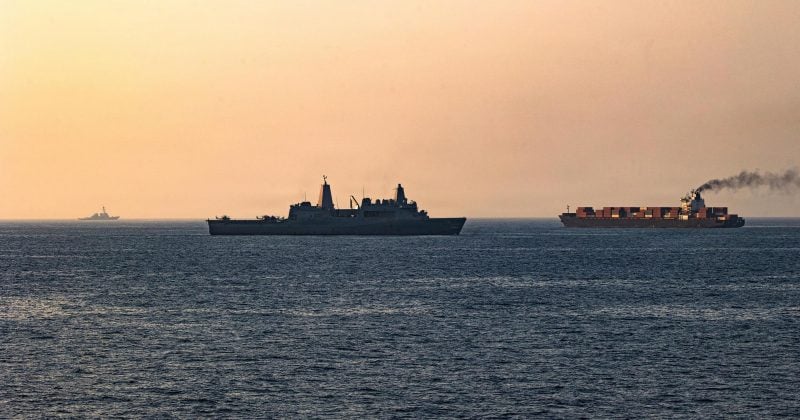
Iran’s Tasnim News Agency reported that three oil tankers and two ships carrying essential goods successfully crossed through a US naval blockade in the Strait of Hormuz. If confirmed, it would mark one of the more significant challenges to American enforcement operations that have been in place since mid-April 2026.

What’s happening in the Strait

The US naval blockade was implemented around April 13, 2026, following the collapse of diplomatic talks between Washington and Tehran. The goal was straightforward: disrupt Iranian shipping activities and apply maximum economic pressure.

US Central Command has been actively enforcing the blockade, intercepting dozens of vessels and seizing assets. Among the documented seizures is the Touska tanker.

Advertisement

But Iran has pushed back, both physically and rhetorically. Tasnim, which is closely affiliated with Iran’s Islamic Revolutionary Guard Corps, named specific vessels it says completed transit, including tankers called Alicia and Shahrokh 2.

According to Lloyd’s List, at least 26 “shadow fleet” vessels reportedly bypassed the blockade as of late April 2026. Shadow fleets are networks of older tankers that operate with obscured ownership, switched-off transponders, and ship-to-ship transfers to move sanctioned oil.

The economic toll

Despite the breaches, the blockade has imposed serious costs on Iran. The enforcement of maritime restrictions has resulted in estimated daily losses to Iran in the hundreds of millions of dollars. The US has reportedly disabled several merchant vessels during the course of enforcement operations.

A previous phase of conflict between the US and Iran led to a temporary ceasefire, which subsequently fell apart and gave way to the current blockade.

What this means for investors

For crypto markets, reports have surfaced of scam operations exploiting the maritime tensions, with fraudsters requesting Bitcoin and USDT in exchange for promises of “safe passage” through the strait. No legitimate shipping operation works this way. The scam activity, while not tied to any specific token or protocol, could contribute to negative sentiment around crypto’s use in sanctions evasion narratives.

Disclosure: This article was edited by Editorial Team. For more information on how we create and review content, see our Editorial Policy.

Three Iranian oil tankers cross US naval blockade, says Tasnim news agency

Three Iranian oil tankers cross US naval blockade, says Tasnim news agency

Iran claims five vessels navigated the Strait of Hormuz despite US enforcement, adding pressure to an already volatile oil market

Iran’s Tasnim News Agency reported that three oil tankers and two ships carrying essential goods successfully crossed through a US naval blockade in the Strait of Hormuz. If confirmed, it would mark one of the more significant challenges to American enforcement operations that have been in place since mid-April 2026.

What’s happening in the Strait

The US naval blockade was implemented around April 13, 2026, following the collapse of diplomatic talks between Washington and Tehran. The goal was straightforward: disrupt Iranian shipping activities and apply maximum economic pressure.

US Central Command has been actively enforcing the blockade, intercepting dozens of vessels and seizing assets. Among the documented seizures is the Touska tanker.

Advertisement

But Iran has pushed back, both physically and rhetorically. Tasnim, which is closely affiliated with Iran’s Islamic Revolutionary Guard Corps, named specific vessels it says completed transit, including tankers called Alicia and Shahrokh 2.

According to Lloyd’s List, at least 26 “shadow fleet” vessels reportedly bypassed the blockade as of late April 2026. Shadow fleets are networks of older tankers that operate with obscured ownership, switched-off transponders, and ship-to-ship transfers to move sanctioned oil.

The economic toll

Despite the breaches, the blockade has imposed serious costs on Iran. The enforcement of maritime restrictions has resulted in estimated daily losses to Iran in the hundreds of millions of dollars. The US has reportedly disabled several merchant vessels during the course of enforcement operations.

A previous phase of conflict between the US and Iran led to a temporary ceasefire, which subsequently fell apart and gave way to the current blockade.

What this means for investors

For crypto markets, reports have surfaced of scam operations exploiting the maritime tensions, with fraudsters requesting Bitcoin and USDT in exchange for promises of “safe passage” through the strait. No legitimate shipping operation works this way. The scam activity, while not tied to any specific token or protocol, could contribute to negative sentiment around crypto’s use in sanctions evasion narratives.

Disclosure: This article was edited by Editorial Team. For more information on how we create and review content, see our Editorial Policy.