
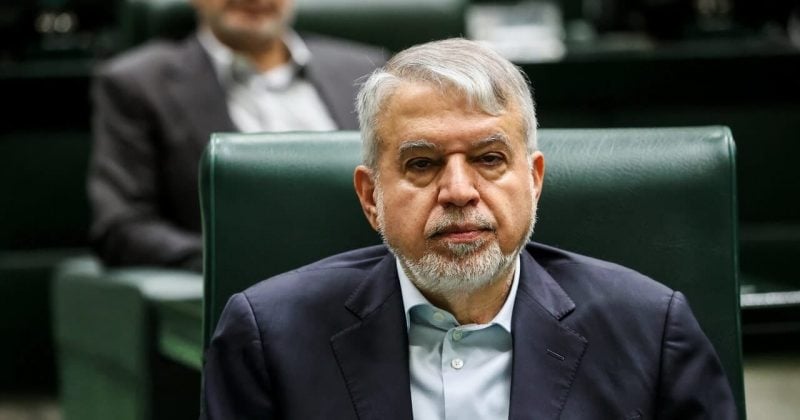
Iranian president pezeshkian, foreign minister araghchi filmed leaving imam ali shrine after US strikes on southern Iran

https://en.wikipedia.org/wiki/Government_of_Masoud_Pezeshkian

Iranian president pezeshkian, foreign minister araghchi filmed leaving imam ali shrine after US strikes on southern Iran

Fall of the Iranian regime

Iranian President Pezeshkian and Foreign Minister Araghchi were spotted departing the Imam Ali shrine in Najaf following US military strikes on southern Iran. The strikes, conducted by CENTCOM, targeted missile sites and mine-laying boats in response to alleged Iranian actions against commercial vessels in the Strait of Hormuz. The incident occurred amid a fragile ceasefire between the United States and Iran, in place since a Memorandum of Understanding was signed on June 17. The visit to the shrine, which took place after the officials cut short an official trip to Iraq, underscores a moment of diplomatic pause as tensions remain high.

Advertisement

Key Takeaways

  • The visit by Iranian officials to the Imam Ali shrine appears to indicate a momentary diplomatic pause following US strikes.
  • Market pricing suggests an increased perception of instability in Iran, raising the odds of regime change.
  • The potential for further military or diplomatic actions remains, with markets closely observing subsequent developments.

What to Watch

Observers should monitor any military or diplomatic responses from Iran, which could influence the fragile ceasefire with the United States. Key indicators include statements or actions by the Iranian Revolutionary Guard Corps (IRGC) and potential changes in US-Iran negotiations. Additionally, any shifts in Iranian leadership dynamics, particularly involving Mojtaba Khamenei or Reza Pahlavi, could have significant implications for market odds related to regime change.

Get prediction market intelligence as a structured API feed. Early access waitlist.

Disclosure: This article was edited by Estefano Gomez. For more information on how we create and review content, see our Editorial Policy.

Iranian president pezeshkian, foreign minister araghchi filmed leaving imam ali shrine after US strikes on southern Iran

Iranian president pezeshkian, foreign minister araghchi filmed leaving imam ali shrine after US strikes on southern Iran

Fall of the Iranian regime

https://en.wikipedia.org/wiki/Government_of_Masoud_Pezeshkian

Iranian President Pezeshkian and Foreign Minister Araghchi were spotted departing the Imam Ali shrine in Najaf following US military strikes on southern Iran. The strikes, conducted by CENTCOM, targeted missile sites and mine-laying boats in response to alleged Iranian actions against commercial vessels in the Strait of Hormuz. The incident occurred amid a fragile ceasefire between the United States and Iran, in place since a Memorandum of Understanding was signed on June 17. The visit to the shrine, which took place after the officials cut short an official trip to Iraq, underscores a moment of diplomatic pause as tensions remain high.

Advertisement

Key Takeaways

  • The visit by Iranian officials to the Imam Ali shrine appears to indicate a momentary diplomatic pause following US strikes.
  • Market pricing suggests an increased perception of instability in Iran, raising the odds of regime change.
  • The potential for further military or diplomatic actions remains, with markets closely observing subsequent developments.

What to Watch

Observers should monitor any military or diplomatic responses from Iran, which could influence the fragile ceasefire with the United States. Key indicators include statements or actions by the Iranian Revolutionary Guard Corps (IRGC) and potential changes in US-Iran negotiations. Additionally, any shifts in Iranian leadership dynamics, particularly involving Mojtaba Khamenei or Reza Pahlavi, could have significant implications for market odds related to regime change.

Get prediction market intelligence as a structured API feed. Early access waitlist.

Disclosure: This article was edited by Estefano Gomez. For more information on how we create and review content, see our Editorial Policy.