
 Earn with Nexo

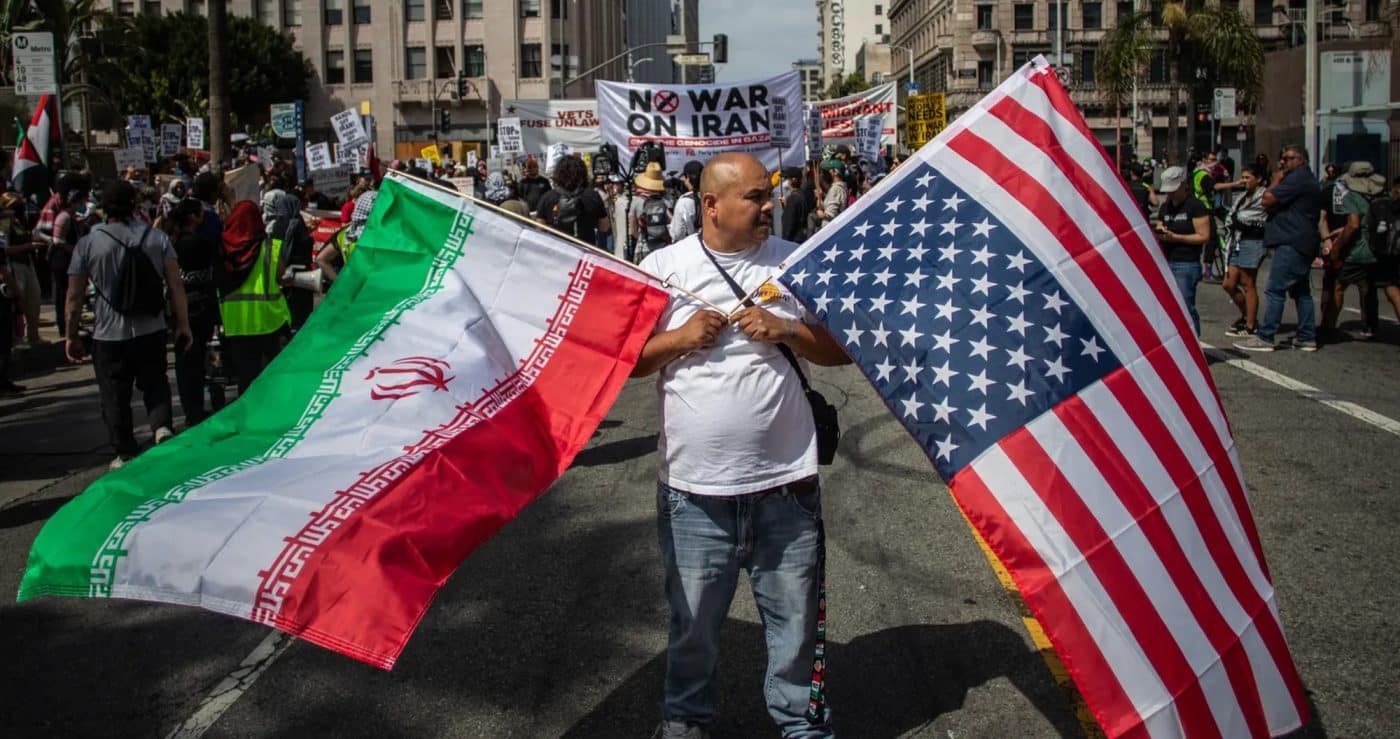
Iran’s refusal to meet US officials in Islamabad and its rejection of American demands have caused the ceasefire odds by April 7 to fall to 1% YES, down from 12% a week ago.
The drop highlights the bleak prospects for immediate de-escalation. The April 15 market now sits at 6% YES, showing little confidence in quick diplomatic progress. The April 30 market is at 18% YES, indicating traders don’t expect a resolution soon.
With USDC trading volume at $22,948/day for the April 7 market, it takes $12,352 to move the odds by 5 points, showing a thin order book. The May 31 market saw a 2-point drop, as traders adjust expectations amid rising tensions. The largest jump is between April 30 and May 31, with a 19-point increase, suggesting traders anticipate developments in that period.
Iran’s firm stance raises escalation risks, especially with US warnings of possible military actions. This aligns with bearish signals like escalating strikes and hawkish rhetoric, which dampen ceasefire prospects. For contrarians, a YES share at 18¢ for April 30 offers a potential 5.5x return if a diplomatic breakthrough occurs in 27 days.
Traders should watch for intermediary activity, such as Oman or Qatar re-engaging in talks, or changes in US rhetoric. The next CENTCOM briefing or signals from the Iranian Revolutionary Guard Corps could quickly shift market dynamics.
Markets Impacted
- US x Iran ceasefire by April 7? — currently 1.1% YES
- US x Iran ceasefire by April 15? — currently 6.5% YES
- US x Iran ceasefire by April 30? — currently 17.5% YES
- US x Iran ceasefire by May 31? — currently 36.5% YES
- US x Iran ceasefire by June 30? — currently 51.5% YES
- US x Iran ceasefire by December 31? — currently 68.5% YES
Get prediction market intelligence as a structured API feed. Early access waitlist.