
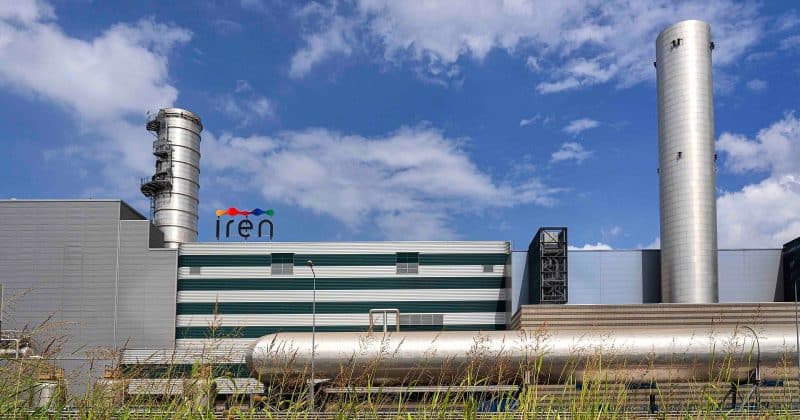
IREN faces $21B funding gap to transition to AI infrastructure

IREN faces $21B funding gap to transition to AI infrastructure

The former Bitcoin miner needs billions in capital to fulfill massive contracts with Microsoft and NVIDIA, and the math is getting uncomfortable


IREN is turning its Bitcoin mining footprint into an AI cloud business, but the shift is forcing the company to raise billions of dollars to keep pace with its contracts.

The company, formerly known as Iris Energy, has signed a $9.7 billion multi year agreement with Microsoft to provide AI cloud infrastructure powered by NVIDIA GB300 GPUs. The capacity will be deployed at IREN’s Childress, Texas campus, with phased delivery through 2026.

IREN is also scaling around a separate five year AI cloud services contract tied to NVIDIA workloads. The company agreed to buy about $1.6 billion of NVIDIA Blackwell systems from Dell to support that deployment.

The deals give IREN one of the clearest AI pivots among former Bitcoin mining companies. Its secured power portfolio now spans more than 4.5 GW across North America, with the company adding more capacity as demand for AI compute accelerates.

The capital need is the hard part. IREN closed a $3.0 billion convertible notes offering in May after pricing an upsized $2.6 billion deal, with proceeds aimed at general corporate purposes, working capital, and capped call transactions.

The company also secured a $3.6 billion financing package to fund GPU infrastructure tied to the Microsoft contract. That package includes a $1.5 billion delayed draw term loan and $2.1 billion of senior notes due 2031.

Advertisement

Equity remains part of the plan. IREN expanded its at the market share sale program to as much as $6 billion, replacing a prior $1 billion program that had already been used. The filing gives the company flexibility to sell shares into the market over time.

That flexibility comes with dilution risk. New equity sales and future convertible note conversions could increase the share count if IREN keeps leaning on capital markets to finance the buildout.

IREN is also expanding geographically. The company acquired Nostrum Group in Spain, adding about 490 MW of secured grid connected power and marking its entry into Europe. The deal lifts IREN’s total power portfolio to about 5 GW.

The broader trend is clear. Bitcoin miners are trying to convert power access, land, grid connections, and high density compute experience into AI infrastructure businesses. IREN has moved faster than most, but AI workloads require more complex cooling, higher reliability, stronger customer guarantees, and heavier upfront spending than mining.

Customer commitments and prepayments help reduce some funding pressure, but they do not remove the execution burden. IREN still has to deliver GPUs, finish data center capacity, manage debt, and limit dilution while competing in an AI infrastructure market that is becoming more capital intensive.

IREN Limited, the company formerly known as Iris Energy, has locked in deals worth a combined $13.1 billion with Microsoft and NVIDIA to provide AI cloud infrastructure, but bridging the gap between promise and reality requires a staggering amount of capital.

The numbers behind the pivot

IREN has secured over 4.5 GW of power capacity across North America for AI and high-performance computing workloads.

The headline contracts are eye-catching. A $9.7 billion multi-year deal with Microsoft for AI cloud services and a separate $3.4 billion GPU cloud services agreement with NVIDIA.

IREN’s plan to raise between $2.6 billion and $3 billion through upsized convertible note offerings in 2026 is just one piece of the puzzle. The company has also obtained approximately $3.6 billion in GPU financing facilities at interest rates below 6%. It has expanded its ATM equity program to as much as $6 billion. And in May 2026, the NVIDIA partnership included a $2.1 billion equity investment option for IREN.

Dilution risks and analyst skepticism

That $6 billion ATM equity program means the company can sell new shares directly into the open market whenever it wants, at prevailing prices. JP Morgan has assigned IREN a reflective underweight rating. The concern isn’t about demand for AI infrastructure, which is booming. It’s about whether IREN can execute at this scale without destroying shareholder value in the process.

The convertible notes add another layer of complexity. When those notes eventually convert to equity, they’ll create additional dilution. IREN has also been making acquisitions to expand its footprint. The purchase of Nostrum Group in Spain adds 490 MW of capacity and marks the company’s entry into the European market.

The broader crypto miner migration

IREN isn’t operating in a vacuum. The pivot from Bitcoin mining to AI infrastructure has become something of an industry trend, with multiple former crypto miners eyeing the same opportunity. Bitcoin miners already have relationships with power providers, land with grid connections, and experience managing high-density computing operations. AI data centers need all of those things, though AI workloads demand significantly more sophisticated cooling, redundancy, and uptime guarantees than Bitcoin mining rigs.

The customer prepayments IREN has secured help offset some capital expenditures. Watch the conversion timeline on those notes, the pace of ATM share sales, and whether IREN can maintain its GPU financing rates as it scales.

Disclosure: This article was edited by Editorial Team. For more information on how we create and review content, see our Editorial Policy.

IREN faces $21B funding gap to transition to AI infrastructure

IREN faces $21B funding gap to transition to AI infrastructure

The former Bitcoin miner needs billions in capital to fulfill massive contracts with Microsoft and NVIDIA, and the math is getting uncomfortable

Share

Add us on Google

IREN is turning its Bitcoin mining footprint into an AI cloud business, but the shift is forcing the company to raise billions of dollars to keep pace with its contracts.

The company, formerly known as Iris Energy, has signed a $9.7 billion multi year agreement with Microsoft to provide AI cloud infrastructure powered by NVIDIA GB300 GPUs. The capacity will be deployed at IREN’s Childress, Texas campus, with phased delivery through 2026.

IREN is also scaling around a separate five year AI cloud services contract tied to NVIDIA workloads. The company agreed to buy about $1.6 billion of NVIDIA Blackwell systems from Dell to support that deployment.

The deals give IREN one of the clearest AI pivots among former Bitcoin mining companies. Its secured power portfolio now spans more than 4.5 GW across North America, with the company adding more capacity as demand for AI compute accelerates.

The capital need is the hard part. IREN closed a $3.0 billion convertible notes offering in May after pricing an upsized $2.6 billion deal, with proceeds aimed at general corporate purposes, working capital, and capped call transactions.

The company also secured a $3.6 billion financing package to fund GPU infrastructure tied to the Microsoft contract. That package includes a $1.5 billion delayed draw term loan and $2.1 billion of senior notes due 2031.

Advertisement

Equity remains part of the plan. IREN expanded its at the market share sale program to as much as $6 billion, replacing a prior $1 billion program that had already been used. The filing gives the company flexibility to sell shares into the market over time.

That flexibility comes with dilution risk. New equity sales and future convertible note conversions could increase the share count if IREN keeps leaning on capital markets to finance the buildout.

IREN is also expanding geographically. The company acquired Nostrum Group in Spain, adding about 490 MW of secured grid connected power and marking its entry into Europe. The deal lifts IREN’s total power portfolio to about 5 GW.

The broader trend is clear. Bitcoin miners are trying to convert power access, land, grid connections, and high density compute experience into AI infrastructure businesses. IREN has moved faster than most, but AI workloads require more complex cooling, higher reliability, stronger customer guarantees, and heavier upfront spending than mining.

Customer commitments and prepayments help reduce some funding pressure, but they do not remove the execution burden. IREN still has to deliver GPUs, finish data center capacity, manage debt, and limit dilution while competing in an AI infrastructure market that is becoming more capital intensive.

IREN Limited, the company formerly known as Iris Energy, has locked in deals worth a combined $13.1 billion with Microsoft and NVIDIA to provide AI cloud infrastructure, but bridging the gap between promise and reality requires a staggering amount of capital.

The numbers behind the pivot

IREN has secured over 4.5 GW of power capacity across North America for AI and high-performance computing workloads.

The headline contracts are eye-catching. A $9.7 billion multi-year deal with Microsoft for AI cloud services and a separate $3.4 billion GPU cloud services agreement with NVIDIA.

IREN’s plan to raise between $2.6 billion and $3 billion through upsized convertible note offerings in 2026 is just one piece of the puzzle. The company has also obtained approximately $3.6 billion in GPU financing facilities at interest rates below 6%. It has expanded its ATM equity program to as much as $6 billion. And in May 2026, the NVIDIA partnership included a $2.1 billion equity investment option for IREN.

Dilution risks and analyst skepticism

That $6 billion ATM equity program means the company can sell new shares directly into the open market whenever it wants, at prevailing prices. JP Morgan has assigned IREN a reflective underweight rating. The concern isn’t about demand for AI infrastructure, which is booming. It’s about whether IREN can execute at this scale without destroying shareholder value in the process.

The convertible notes add another layer of complexity. When those notes eventually convert to equity, they’ll create additional dilution. IREN has also been making acquisitions to expand its footprint. The purchase of Nostrum Group in Spain adds 490 MW of capacity and marks the company’s entry into the European market.

The broader crypto miner migration

IREN isn’t operating in a vacuum. The pivot from Bitcoin mining to AI infrastructure has become something of an industry trend, with multiple former crypto miners eyeing the same opportunity. Bitcoin miners already have relationships with power providers, land with grid connections, and experience managing high-density computing operations. AI data centers need all of those things, though AI workloads demand significantly more sophisticated cooling, redundancy, and uptime guarantees than Bitcoin mining rigs.

The customer prepayments IREN has secured help offset some capital expenditures. Watch the conversion timeline on those notes, the pace of ATM share sales, and whether IREN can maintain its GPU financing rates as it scales.

Disclosure: This article was edited by Editorial Team. For more information on how we create and review content, see our Editorial Policy.