
Nexo Earn with Nexo
IRGC strikes 18 US military sites in Kuwait and Bahrain as crypto markets shed $80 billion

IRGC strikes 18 US military sites in Kuwait and Bahrain as crypto markets shed $80 billion

Iran's retaliatory missile and drone campaign against American bases in the Gulf is rattling energy and digital asset markets simultaneously

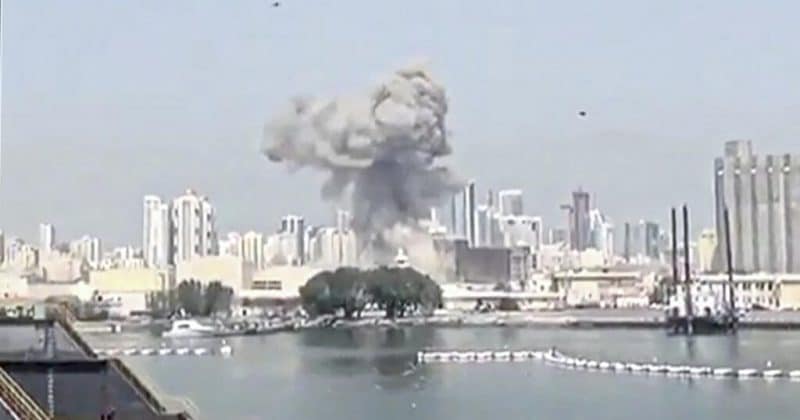
Iran’s Islamic Revolutionary Guard Corps launched two waves of missile and drone strikes against US military facilities across Kuwait and Bahrain between June 6 and June 10, targeting up to 21 locations in what amounts to the most significant escalation of the 2026 US-Iran conflict to date.

Among the sites hit: the Ali Al Salem air base in Kuwait and the US Fifth Fleet headquarters in Bahrain. The IRGC also struck Jordan’s Muwaffaq Salti air base, which houses F-35 fighter jets. The attacks came in direct retaliation for US drone strikes on Iranian military installations near the Strait of Hormuz.

What happened and why it matters

The IRGC framed the campaign as a response to American actions near Sirik, Qeshm, and the broader Strait of Hormuz area, where US strikes had previously damaged Iranian positions. The strikes also followed the downing of a US helicopter, adding another layer of provocation to an already volatile situation.

Advertisement

Reports put the number of targeted sites between 18 and 21 across Kuwait, Bahrain, and Jordan. Prior phases of the conflict had already seen Iranian attacks on over 20 US or shared military sites across Kuwait and Bahrain. What’s different now is the breadth and coordination of the strikes, and the fact that Jordan, a key US ally, got pulled into the target list.

The Arab League and Gulf Cooperation Council both condemned the IRGC’s actions.

The market fallout: oil surges, crypto bleeds

Brent crude surged above $91 per barrel on the news. The Strait of Hormuz handles roughly a fifth of global oil supply.

The crypto market experienced an estimated $80 billion sell-off connected to the strikes. The sell-off reflected a classic risk-off move. However, the actual price reaction in individual digital assets was more muted than that headline number suggests. Some of that discrepancy likely comes from the difference between leveraged positions getting liquidated and actual spot selling.

What this means for investors

If Brent crude stays above $91, that creates inflationary pressure that could delay or reverse any central bank easing cycle. The $80 billion sell-off, while dramatic on paper, may have actually cleared some of the froth from overleveraged positions.

The risk scenario to watch is an escalation that disrupts actual oil flow through the Strait of Hormuz. The Arab League and GCC condemnations could either lead to mediation efforts that cool things down, or they could harden alliances in ways that make de-escalation harder. The presence of a fragile ceasefire in the background suggests that both sides have, at various points, been willing to pause.

Disclosure: This article was edited by Editorial Team. For more information on how we create and review content, see our Editorial Policy.

IRGC strikes 18 US military sites in Kuwait and Bahrain as crypto markets shed $80 billion

IRGC strikes 18 US military sites in Kuwait and Bahrain as crypto markets shed $80 billion

Iran's retaliatory missile and drone campaign against American bases in the Gulf is rattling energy and digital asset markets simultaneously

Iran’s Islamic Revolutionary Guard Corps launched two waves of missile and drone strikes against US military facilities across Kuwait and Bahrain between June 6 and June 10, targeting up to 21 locations in what amounts to the most significant escalation of the 2026 US-Iran conflict to date.

Among the sites hit: the Ali Al Salem air base in Kuwait and the US Fifth Fleet headquarters in Bahrain. The IRGC also struck Jordan’s Muwaffaq Salti air base, which houses F-35 fighter jets. The attacks came in direct retaliation for US drone strikes on Iranian military installations near the Strait of Hormuz.

What happened and why it matters

The IRGC framed the campaign as a response to American actions near Sirik, Qeshm, and the broader Strait of Hormuz area, where US strikes had previously damaged Iranian positions. The strikes also followed the downing of a US helicopter, adding another layer of provocation to an already volatile situation.

Advertisement

Reports put the number of targeted sites between 18 and 21 across Kuwait, Bahrain, and Jordan. Prior phases of the conflict had already seen Iranian attacks on over 20 US or shared military sites across Kuwait and Bahrain. What’s different now is the breadth and coordination of the strikes, and the fact that Jordan, a key US ally, got pulled into the target list.

The Arab League and Gulf Cooperation Council both condemned the IRGC’s actions.

The market fallout: oil surges, crypto bleeds

Brent crude surged above $91 per barrel on the news. The Strait of Hormuz handles roughly a fifth of global oil supply.

The crypto market experienced an estimated $80 billion sell-off connected to the strikes. The sell-off reflected a classic risk-off move. However, the actual price reaction in individual digital assets was more muted than that headline number suggests. Some of that discrepancy likely comes from the difference between leveraged positions getting liquidated and actual spot selling.

What this means for investors

If Brent crude stays above $91, that creates inflationary pressure that could delay or reverse any central bank easing cycle. The $80 billion sell-off, while dramatic on paper, may have actually cleared some of the froth from overleveraged positions.

The risk scenario to watch is an escalation that disrupts actual oil flow through the Strait of Hormuz. The Arab League and GCC condemnations could either lead to mediation efforts that cool things down, or they could harden alliances in ways that make de-escalation harder. The presence of a fragile ceasefire in the background suggests that both sides have, at various points, been willing to pause.

Disclosure: This article was edited by Editorial Team. For more information on how we create and review content, see our Editorial Policy.