
Israel launches strikes on Lebanon despite Trump criticism, sending Bitcoin below $63K

Israel launches strikes on Lebanon despite Trump criticism, sending Bitcoin below $63K

Geopolitical escalation in the Middle East triggers over $1 billion in crypto liquidations as diplomatic tensions between Washington and Jerusalem intensify

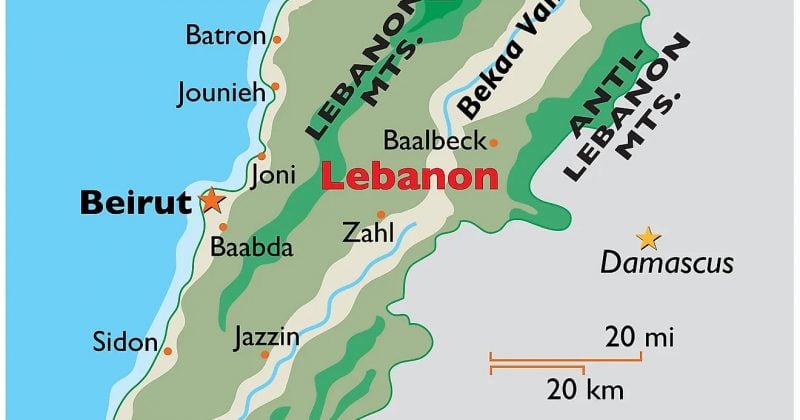
Israel carried out a fresh wave of airstrikes across southern Lebanon and Beirut’s suburbs between June 14 and 17, killing between 4 and 8 people and targeting what it described as Hezbollah facilities. The strikes came despite pointed public criticism from US President Donald Trump, who called the military operations “vicious” and urged Israeli Prime Minister Benjamin Netanyahu to show restraint.

The diplomatic friction between Washington and Jerusalem is reverberating well beyond the Middle East. Bitcoin dropped more than 2%, sliding toward $63K, while crypto markets absorbed over $1 billion in liquidations tied to the escalating regional tensions.

What happened in Lebanon

The airstrikes targeted positions in southern Lebanon and the suburbs surrounding Beirut over a four-day window. Israel framed the operations as a response to Hezbollah’s cross-border fire.

Advertisement

Trump characterized the strikes as excessive and called on Israel to act more responsibly. The criticism arrives while Trump is actively pursuing a deal with Iran, making Israeli military operations in the region a particularly inconvenient complication for his diplomatic agenda.

The broader conflict has exacted a staggering humanitarian toll. Over 3,700 people have been killed in Lebanon amid the ongoing hostilities, with widespread displacement compounding the crisis.

Why crypto markets reacted

Bitcoin’s slide toward $63K represented a drop of more than 2%, and the cascade of liquidations, totaling over $1 billion, suggests that leveraged traders were caught off guard by the speed of the sell-off.

The diplomatic backdrop

Trump’s first term was characterized by a historically close relationship with Israel, including recognition of Jerusalem as the capital and the Abraham Accords. His second term has introduced friction that few anticipated.

Trump appears to view Israeli military escalation in Lebanon as undermining his leverage in negotiations with Tehran. Hezbollah, as an Iranian proxy, sits at the intersection of both conflicts.

Netanyahu faces domestic pressure to respond forcefully to cross-border attacks. The ceasefire that Trump previously helped negotiate has clearly broken down, with both sides accusing the other of violations.

What this means for crypto investors

The $1 billion in liquidations serves as a reminder that leverage in uncertain geopolitical environments carries significant risk. For longer-term investors, Bitcoin’s correlation with traditional risk assets during crisis moments means that any broader market contagion from Middle Eastern escalation would likely hit crypto portfolios as well.

Disclosure: This article was edited by Editorial Team. For more information on how we create and review content, see our Editorial Policy.

Israel launches strikes on Lebanon despite Trump criticism, sending Bitcoin below $63K

Israel launches strikes on Lebanon despite Trump criticism, sending Bitcoin below $63K

Geopolitical escalation in the Middle East triggers over $1 billion in crypto liquidations as diplomatic tensions between Washington and Jerusalem intensify

Israel carried out a fresh wave of airstrikes across southern Lebanon and Beirut’s suburbs between June 14 and 17, killing between 4 and 8 people and targeting what it described as Hezbollah facilities. The strikes came despite pointed public criticism from US President Donald Trump, who called the military operations “vicious” and urged Israeli Prime Minister Benjamin Netanyahu to show restraint.

The diplomatic friction between Washington and Jerusalem is reverberating well beyond the Middle East. Bitcoin dropped more than 2%, sliding toward $63K, while crypto markets absorbed over $1 billion in liquidations tied to the escalating regional tensions.

What happened in Lebanon

The airstrikes targeted positions in southern Lebanon and the suburbs surrounding Beirut over a four-day window. Israel framed the operations as a response to Hezbollah’s cross-border fire.

Advertisement

Trump characterized the strikes as excessive and called on Israel to act more responsibly. The criticism arrives while Trump is actively pursuing a deal with Iran, making Israeli military operations in the region a particularly inconvenient complication for his diplomatic agenda.

The broader conflict has exacted a staggering humanitarian toll. Over 3,700 people have been killed in Lebanon amid the ongoing hostilities, with widespread displacement compounding the crisis.

Why crypto markets reacted

Bitcoin’s slide toward $63K represented a drop of more than 2%, and the cascade of liquidations, totaling over $1 billion, suggests that leveraged traders were caught off guard by the speed of the sell-off.

The diplomatic backdrop

Trump’s first term was characterized by a historically close relationship with Israel, including recognition of Jerusalem as the capital and the Abraham Accords. His second term has introduced friction that few anticipated.

Trump appears to view Israeli military escalation in Lebanon as undermining his leverage in negotiations with Tehran. Hezbollah, as an Iranian proxy, sits at the intersection of both conflicts.

Netanyahu faces domestic pressure to respond forcefully to cross-border attacks. The ceasefire that Trump previously helped negotiate has clearly broken down, with both sides accusing the other of violations.

What this means for crypto investors

The $1 billion in liquidations serves as a reminder that leverage in uncertain geopolitical environments carries significant risk. For longer-term investors, Bitcoin’s correlation with traditional risk assets during crisis moments means that any broader market contagion from Middle Eastern escalation would likely hit crypto portfolios as well.

Disclosure: This article was edited by Editorial Team. For more information on how we create and review content, see our Editorial Policy.