
Nexo Earn with Nexo
Israel refuses to withdraw from Lebanon despite US-Iran deal, and crypto markets are watching closely

Israel refuses to withdraw from Lebanon despite US-Iran deal, and crypto markets are watching closely

Bitcoin climbed to roughly $65,300 as the US-Iran ceasefire deal boosted risk appetite, but Israel's defiance could complicate the geopolitical picture fast.

Hours after the US and Iran announced a preliminary agreement aimed at cooling tensions across the Middle East, Israel made its position crystal clear: its troops aren’t going anywhere.

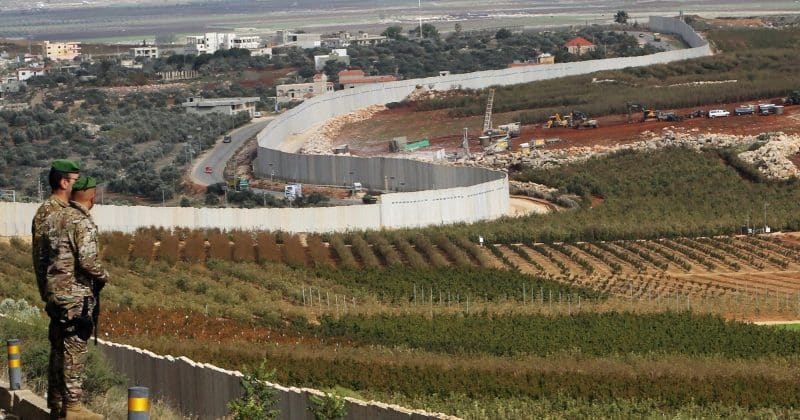
Israeli Defense Minister Israel Katz declared on June 15 that Israeli Defense Forces will remain in southern Lebanon “indefinitely,” along with positions in Syria and Gaza, to protect Israel’s borders. The statement landed like a bucket of cold water on what was supposed to be a diplomatic win for the Trump administration, which brokered the memorandum of understanding with Iran on June 14.

What the US-Iran deal actually covers

The MOU extends an existing ceasefire that has been in place since roughly late February or early March. It also calls for reopening the Strait of Hormuz, a chokepoint through which a massive share of the world’s oil supply flows.

A formal signing is expected around June 19 in Switzerland. The agreement serves as a 60-day bridge to deeper negotiations on heavier topics: sanctions relief, Iran’s nuclear program, and broader regional stability.

Advertisement

Oil prices dropped more than 3% on the news. When the Strait of Hormuz looks less likely to become a flashpoint, the global supply-risk premium shrinks fast.

Bitcoin’s geopolitical trade

Bitcoin moved from the low $63,000s to approximately $65,300 to $66,000 on June 15, a roughly 1-3% jump.

No specific conflict-related or region-specific tokens saw notable trading volume spikes, which suggests the market response was broad risk-on sentiment rather than any targeted speculation.

Why Israel’s defiance matters for markets

Katz didn’t just refuse to withdraw. He warned of responding with “great force” if Iran provokes Israel.

The core tension is straightforward. The US negotiated a deal that includes Lebanon as part of the framework. Israel, a US ally, is saying it will ignore that part of the framework. Hezbollah operates in southern Lebanon. Israeli forces occupying the same territory creates a permanent friction point that could unravel the broader agreement.

For crypto traders, this creates an asymmetric risk profile. The upside from de-escalation has largely been priced in with Bitcoin’s move above $65K. But the downside from re-escalation, say, a Hezbollah-IDF incident that torpedoes the Swiss signing on June 19, hasn’t been priced in at all.

Analysts have noted that the current crypto rally looks more like a rotation among existing risk assets than a fundamental shift driven by new capital entering the market.

The Switzerland signing date of June 19 is the next concrete event to watch. If Israel’s stance creates friction that delays or derails the signing, the 3% oil price decline and Bitcoin’s recent gains could reverse quickly.

Investors should also track the Strait of Hormuz situation independently from the Lebanon question. A reopened Strait is good for risk assets regardless of what happens on the Israeli-Lebanese border.

Disclosure: This article was edited by Editorial Team. For more information on how we create and review content, see our Editorial Policy.

Israel refuses to withdraw from Lebanon despite US-Iran deal, and crypto markets are watching closely

Israel refuses to withdraw from Lebanon despite US-Iran deal, and crypto markets are watching closely

Bitcoin climbed to roughly $65,300 as the US-Iran ceasefire deal boosted risk appetite, but Israel's defiance could complicate the geopolitical picture fast.

Hours after the US and Iran announced a preliminary agreement aimed at cooling tensions across the Middle East, Israel made its position crystal clear: its troops aren’t going anywhere.

Israeli Defense Minister Israel Katz declared on June 15 that Israeli Defense Forces will remain in southern Lebanon “indefinitely,” along with positions in Syria and Gaza, to protect Israel’s borders. The statement landed like a bucket of cold water on what was supposed to be a diplomatic win for the Trump administration, which brokered the memorandum of understanding with Iran on June 14.

What the US-Iran deal actually covers

The MOU extends an existing ceasefire that has been in place since roughly late February or early March. It also calls for reopening the Strait of Hormuz, a chokepoint through which a massive share of the world’s oil supply flows.

A formal signing is expected around June 19 in Switzerland. The agreement serves as a 60-day bridge to deeper negotiations on heavier topics: sanctions relief, Iran’s nuclear program, and broader regional stability.

Advertisement

Oil prices dropped more than 3% on the news. When the Strait of Hormuz looks less likely to become a flashpoint, the global supply-risk premium shrinks fast.

Bitcoin’s geopolitical trade

Bitcoin moved from the low $63,000s to approximately $65,300 to $66,000 on June 15, a roughly 1-3% jump.

No specific conflict-related or region-specific tokens saw notable trading volume spikes, which suggests the market response was broad risk-on sentiment rather than any targeted speculation.

Why Israel’s defiance matters for markets

Katz didn’t just refuse to withdraw. He warned of responding with “great force” if Iran provokes Israel.

The core tension is straightforward. The US negotiated a deal that includes Lebanon as part of the framework. Israel, a US ally, is saying it will ignore that part of the framework. Hezbollah operates in southern Lebanon. Israeli forces occupying the same territory creates a permanent friction point that could unravel the broader agreement.

For crypto traders, this creates an asymmetric risk profile. The upside from de-escalation has largely been priced in with Bitcoin’s move above $65K. But the downside from re-escalation, say, a Hezbollah-IDF incident that torpedoes the Swiss signing on June 19, hasn’t been priced in at all.

Analysts have noted that the current crypto rally looks more like a rotation among existing risk assets than a fundamental shift driven by new capital entering the market.

The Switzerland signing date of June 19 is the next concrete event to watch. If Israel’s stance creates friction that delays or derails the signing, the 3% oil price decline and Bitcoin’s recent gains could reverse quickly.

Investors should also track the Strait of Hormuz situation independently from the Lebanon question. A reopened Strait is good for risk assets regardless of what happens on the Israeli-Lebanese border.

Disclosure: This article was edited by Editorial Team. For more information on how we create and review content, see our Editorial Policy.