
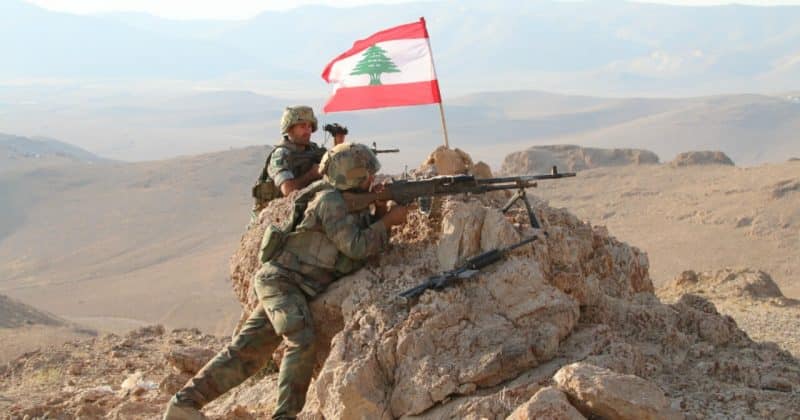
Israel and Lebanon negotiate US-backed pilot zones to transfer territory to Lebanese army
The proposal would hand security control of specific areas in southern Lebanon from Israeli forces to the Lebanese military, with strict American oversight and Hezbollah explicitly excluded.
Israel and Lebanon are in active discussions over a US-mediated plan to create “pilot zones” in southern Lebanon where the Lebanese Armed Forces would take over security control from Israeli troops. The goal is straightforward on paper: get the Lebanese state, not Hezbollah, to be the one holding the keys to security in the south.
The talks, which began on June 24, 2026, represent one of the more concrete diplomatic moves to emerge from months of conflict that has destabilized the Israel-Lebanon border region since the war broke out in March 2026.
What the pilot zone plan actually looks like
Rather than negotiating a sweeping, all-at-once handover of territory, the US-backed proposal carves out specific areas where the Lebanese Armed Forces would assume exclusive security responsibilities. Israeli forces currently control these zones.
The critical word there is “exclusive.” The entire framework is built around one non-negotiable condition: Hezbollah cannot be part of the security apparatus in these areas. The LAF would operate under strict US oversight, with Washington essentially serving as both referee and guarantor.
The pilot zone discussions build on a conditional ceasefire agreement reached on June 3-4, 2026, which laid out a series of requirements. Chief among them: Hezbollah must cease attacks and withdraw its forces south of the Litani River.
The Hezbollah problem
Hezbollah has opposed previous iterations of similar proposals. The group’s position has been consistent: any ceasefire must be paired with a full Israeli withdrawal. A partial handover to the LAF in selected zones, under American supervision no less, doesn’t meet that threshold.
There’s also the practical question of whether Lebanese officials can secure Hezbollah’s approval for this framework. Lebanon’s political system has long operated with a kind of dual reality, where the state’s military exists alongside Hezbollah’s parallel armed infrastructure.
Why the US is in the middle of this
Washington’s role here goes beyond standard diplomatic mediation. The US is positioning itself as the operational backbone of any transition, with American oversight embedded directly into the LAF’s deployment in pilot zones.
This serves a dual purpose. For Israel, US involvement provides a security guarantee that the LAF won’t simply become a front for Hezbollah’s return once Israeli forces withdraw. For Lebanon, American backing enhances the LAF’s credibility and capacity, giving the national military something it has historically lacked: the resources and political cover to assert sovereignty over its own territory.
The arrangement also reflects a broader American strategy of using the LAF as a counterweight to Hezbollah’s influence. If the Lebanese military can demonstrate effective, independent control in pilot zones, it weakens Hezbollah’s longstanding argument that its armed presence is necessary to defend Lebanon’s southern border.