
Israel’s Lebanon troop withdrawal plan signals potential shift for crypto risk premiums
As geopolitical tensions in the Middle East show signs of cooling, traders are watching whether reduced regional risk premiums could boost risk-on assets like Bitcoin.
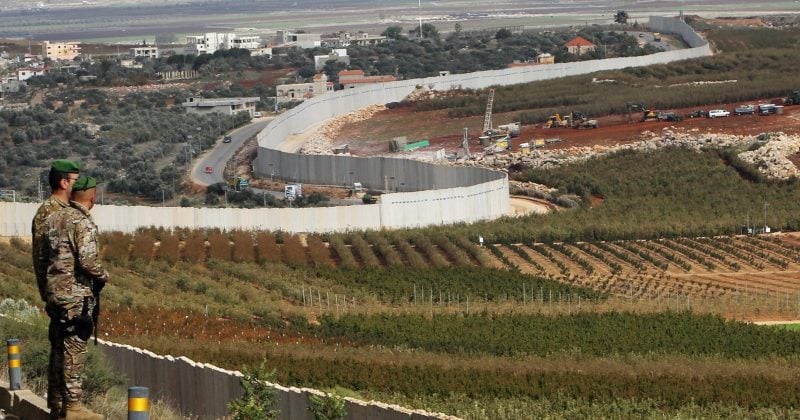
Israel announced its readiness to begin pulling troops from two designated areas in southern Lebanon, marking a concrete step in a US-brokered framework that could reshape the risk calculus for crypto markets and other speculative assets.
Israeli Foreign Minister Gideon Saar confirmed on July 14 that the country is prepared to “move forward implementing these two pilot zones,” as Israeli and Lebanese delegations held a fresh round of negotiations in Rome on Tuesday. The announcement follows a framework agreement established on June 26, and parallel US-Lebanese military talks in Beirut from July 11 to July 12 focused on the mechanics of handing control to the Lebanese army.
Why crypto traders should care about troop movements in Lebanon
When the Israel-Hezbollah ceasefire was announced on June 19, Bitcoin experienced a decline of approximately 3% during the period of escalating tensions that preceded it. That drop reversed once de-escalation talks materialized, following a pattern that’s become almost predictable. Conflict escalation spooks risk-on assets. De-escalation brings them back.
The framework and what it actually involves
The two pilot zones in southern Lebanon are designed as a proof of concept. Israel withdraws, the Lebanese army moves in, and both sides demonstrate that the ceasefire terms can work in practice before scaling the approach to broader territory.
The US role here is significant. American military delegations met with Lebanese counterparts in Beirut over two days to hammer out the implementation details. Washington is positioning itself as the guarantor of the process, which gives the framework more credibility than a bilateral agreement between two parties with limited trust in each other.
The news moving money, markets, and the world—before your day starts.
Daily. Free. Join 34,000+ readers across crypto, finance, and policy.
The broader strategic goal is to diminish Hezbollah’s military footprint in the region by establishing legitimate Lebanese state authority over territory that has effectively been contested.
The June 26 framework agreement came just a week after the ceasefire, suggesting that both sides moved quickly to lock in structural commitments while diplomatic momentum was still fresh.
Historical patterns and what they suggest for markets
The 3% Bitcoin decline observed during the tension escalation preceding the June ceasefire is consistent with broader patterns. During periods of acute geopolitical stress, Bitcoin has tended to sell off alongside other risk assets before recovering once the immediate threat passes.
What makes the current situation different from a one-off ceasefire announcement is the incremental nature of the progress. Each step, from ceasefire to framework agreement to pilot zone implementation, represents a ratcheting down of risk rather than a single binary event.
Traders who position based on geopolitical catalysts will want to watch the Rome talks closely. A successful implementation of even one pilot zone would likely be interpreted by markets as evidence that the broader stabilization process has legs.