
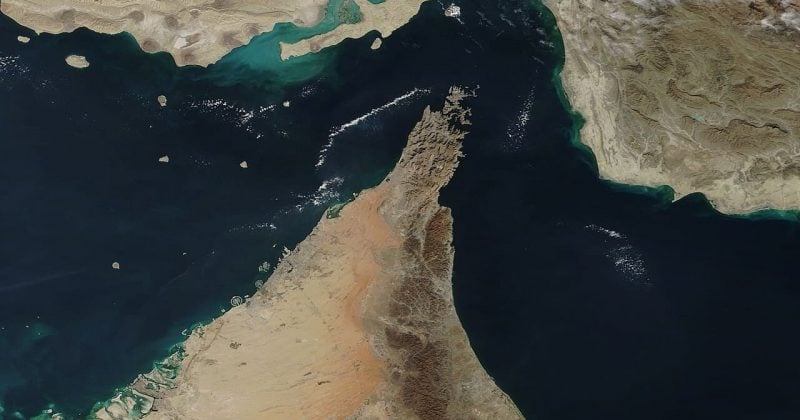
Israel proposes $10B oil pipeline to bypass Strait of Hormuz

https://en.wikipedia.org/wiki/Strait_of_Hormuz

Israel proposes $10B oil pipeline to bypass Strait of Hormuz

WTI crude oil prices in July 2026

Israel’s energy minister has announced a proposal for a new $10 billion oil pipeline corridor designed to bypass the Strait of Hormuz. The plan aims to establish a route that would transport oil from the Persian Gulf across Jordan to Israel’s port of Eilat, and then onward via the existing Eilat-Ashkelon pipeline to the Mediterranean coast. This initiative comes in response to the near-total closure of the Strait of Hormuz, which has significantly disrupted global oil supply. The pipeline’s initial capacity is projected at 1–2 million barrels per day, with potential future expansion. Such developments could alter the geopolitical landscape and impact global oil prices.

Advertisement

Key Takeaways

  • The announcement by Israel’s energy minister appears to suggest a strategic move to mitigate risks associated with the Strait of Hormuz’s closure.
  • Market activity indicates that the potential for reduced geopolitical tensions could influence WTI Crude Oil prices, currently showing low odds for significant price increases in July.
  • The proposed pipeline could handle up to 15% of Hormuz’s normal volume, suggesting limited immediate impact but potential long-term strategic significance.

What to Watch

Observers should monitor any further developments or agreements involving the proposed pipeline, as well as responses from key regional actors like Saudi Arabia and Iran. Any progress on the pipeline could be consistent with scenarios where geopolitical tensions are eased, potentially affecting oil supply dynamics. Additionally, announcements from OPEC+ and the International Energy Agency regarding production and supply adjustments could also be influential.

Get prediction market intelligence as a structured API feed. Early access waitlist.

Disclosure: This article was edited by Estefano Gomez. For more information on how we create and review content, see our Editorial Policy.

Israel proposes $10B oil pipeline to bypass Strait of Hormuz

Israel proposes $10B oil pipeline to bypass Strait of Hormuz

WTI crude oil prices in July 2026

https://en.wikipedia.org/wiki/Strait_of_Hormuz

Israel’s energy minister has announced a proposal for a new $10 billion oil pipeline corridor designed to bypass the Strait of Hormuz. The plan aims to establish a route that would transport oil from the Persian Gulf across Jordan to Israel’s port of Eilat, and then onward via the existing Eilat-Ashkelon pipeline to the Mediterranean coast. This initiative comes in response to the near-total closure of the Strait of Hormuz, which has significantly disrupted global oil supply. The pipeline’s initial capacity is projected at 1–2 million barrels per day, with potential future expansion. Such developments could alter the geopolitical landscape and impact global oil prices.

Advertisement

Key Takeaways

  • The announcement by Israel’s energy minister appears to suggest a strategic move to mitigate risks associated with the Strait of Hormuz’s closure.
  • Market activity indicates that the potential for reduced geopolitical tensions could influence WTI Crude Oil prices, currently showing low odds for significant price increases in July.
  • The proposed pipeline could handle up to 15% of Hormuz’s normal volume, suggesting limited immediate impact but potential long-term strategic significance.

What to Watch

Observers should monitor any further developments or agreements involving the proposed pipeline, as well as responses from key regional actors like Saudi Arabia and Iran. Any progress on the pipeline could be consistent with scenarios where geopolitical tensions are eased, potentially affecting oil supply dynamics. Additionally, announcements from OPEC+ and the International Energy Agency regarding production and supply adjustments could also be influential.

Get prediction market intelligence as a structured API feed. Early access waitlist.

Disclosure: This article was edited by Estefano Gomez. For more information on how we create and review content, see our Editorial Policy.