
KakaoPay develops super wallet for stablecoins and tokenized assets
South Korea's dominant mobile payments platform is building a unified wallet that treats stablecoins like regular bank balances for its 40 million users
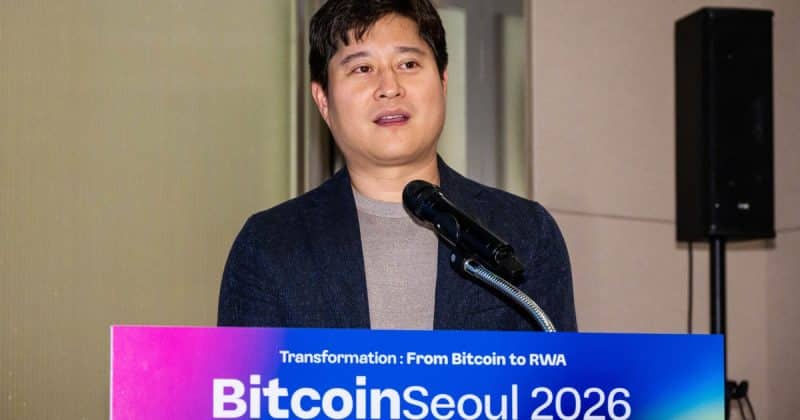
KakaoPay, the fintech arm embedded in nearly every South Korean smartphone, just announced it’s building what it calls a “Super Wallet” designed to handle won-denominated stablecoins and tokenized assets alongside traditional money. CEO Shin Won-keun revealed the initiative at the Digital Asset Investment Insights Forum (DAIF 2026) on July 1-2.
KakaoPay has roughly 40 million users, which in a country of 51 million means the platform is less a fintech app and more a national utility.
What the Super Wallet actually does
The core idea is deceptively simple: let users manage stablecoin balances the same way they currently manage Kakao Pay Money or linked bank accounts. No separate crypto app, no seed phrases, no learning curve that scares off the average consumer.
The company processed over 500 million offline payment transactions across 650,000 merchants in 2025. If even a fraction of those transactions shift to stablecoin rails, it would represent one of the largest real-world stablecoin deployments anywhere on the planet.
KakaoPay is also targeting 10 million monthly active users by 2027 through these service enhancements.
The groundwork laid in 2025
This announcement didn’t materialize out of nowhere. KakaoPay filed multiple patents related to KRW-denominated stablecoin solutions throughout 2025, a flurry of intellectual property activity that caught the attention of South Korean equity traders.
AI, tech, and the markets they move—in one daily briefing.
Daily. Free. Join 34,000+ readers across crypto, finance, and policy.
KakaoPay shares surged over 200% during periods of stablecoin-related speculation last year.
CEO Shin Won-keun first publicly referenced stablecoin ambitions at a conference in June 2026, before laying out more detailed integration plans at DAIF 2026. The company is now actively recruiting staff dedicated to stablecoin product design and collaborating with KakaoBank and other entities to build the necessary infrastructure.
South Korea’s regulatory backdrop
The timing aligns with South Korea’s evolving stance on digital assets. The country’s Digital Asset Basic Act has been the subject of ongoing regulatory discussions, creating a framework that could either accelerate or complicate projects like the Super Wallet.
The won-denominated stablecoin focus is also notable. Rather than relying on USDT or USDC, KakaoPay is building around the Korean won. That decision sidesteps foreign exchange friction for domestic users and likely makes regulators more comfortable since a KRW stablecoin keeps value circulating within the Korean financial system.
What this means for investors
KakaoPay has signaled plans to work across both national and international blockchain platforms, which could position the Super Wallet as a bridge between Korean domestic finance and global DeFi ecosystems.
The risks are the usual suspects: regulatory delays, technical execution challenges, and the possibility that consumer appetite for stablecoin-powered payments is smaller than the industry assumes. Specific token details remain undisclosed, which means the actual mechanics of reserve backing and redemption are still open questions. Investors should watch for clarity on the stablecoin’s issuer structure, reserve composition, and whether KakaoPay seeks a formal regulatory license or partners with an entity that holds one.