
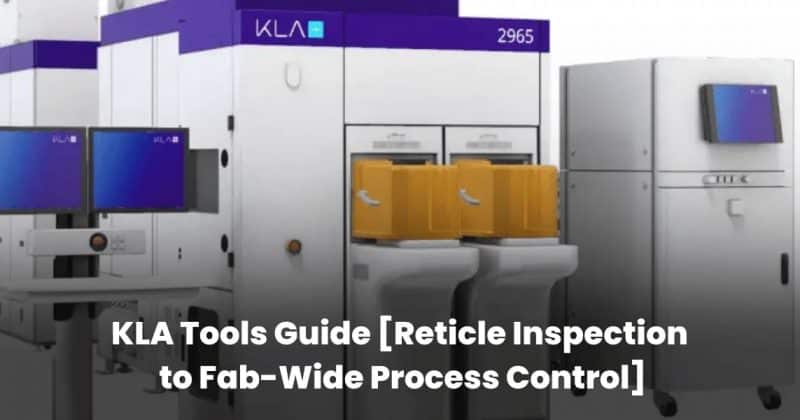
KLA Corporation eyes $250B global chip equipment market as AI demand surges

KLA Corporation eyes $250B global chip equipment market as AI demand surges

The semiconductor equipment giant posted $3.4 billion in quarterly revenue while the broader chip tooling market races toward a quarter-trillion-dollar valuation by 2028.

KLA Corporation just printed a fiscal Q3 2026 revenue figure of $3.415 billion, with GAAP net income hitting $1.20 billion. For a company that makes the equipment used to inspect and measure semiconductor wafers, those are numbers that suggest the AI infrastructure buildout is far from cooling off.

The backdrop here is a global chip equipment market projected to reach roughly $250 billion by 2028. KLA, which commands approximately 57% market share in key process control segments, is positioning itself to ride that wave with a combination of financial engineering and technological dominance.

Inside KLA’s growth engine

The company’s fiscal third quarter numbers tell a straightforward story. Revenue of $3.415 billion and net income of $1.20 billion are being driven by three secular tailwinds: AI infrastructure spending, advanced packaging techniques, and expanding memory capacity requirements.

On May 7, 2026, KLA announced a 10-for-1 stock split alongside a dividend increase. Stock splits don’t change a company’s fundamental value, but they do signal management confidence and tend to improve liquidity by making shares more accessible to retail investors.

Advertisement

Cantor Fitzgerald upgraded KLA on June 10, 2026, adding to a string of analyst upgrades over the past two months. The consensus view appears to be that AI-driven demand for semiconductor manufacturing equipment has legs well beyond the current cycle.

The $250 billion question

KLA operates alongside competitors like Lam Research and Applied Materials, both of which have been highlighted in recent market analyses focused on wafer fab equipment spending forecasts extending into 2029.

Advanced packaging is emerging as a particularly important growth vector. This approach, which takes multiple chips or chiplets and connects them in sophisticated three-dimensional configurations, is critical for AI processors that need enormous bandwidth between memory and compute elements. Every new packaging technique requires new inspection tools.

The AI infrastructure boom has created a sustained capital expenditure cycle among the world’s largest chip manufacturers, with foundries and memory makers expanding capacity simultaneously — a relatively unusual dynamic where multiple segments are accelerating at once.

What this means for investors and crypto-adjacent infrastructure

KLA doesn’t make cryptocurrency mining rigs or blockchain validators. But the semiconductor supply chain it supports is the same one that produces GPUs for mining operations and processors for data centers that power digital asset ecosystems.

For investors evaluating the semiconductor equipment space, KLA’s 57% market share in process control segments represents a formidable competitive moat, with high switching costs and long qualification timelines meaning chipmakers don’t casually swap out their inspection tools.

The stock split and dividend increase together suggest a management team that sees its current financial trajectory as sustainable rather than cyclical. With wafer fab equipment spending forecasts extending through 2029 and beyond, and analyst upgrades flowing in over recent months, KLA’s quarterly results serve as a bellwether for the broader equipment spending cycle.

Disclosure: This article was edited by Editorial Team. For more information on how we create and review content, see our Editorial Policy.

KLA Corporation eyes $250B global chip equipment market as AI demand surges

KLA Corporation eyes $250B global chip equipment market as AI demand surges

The semiconductor equipment giant posted $3.4 billion in quarterly revenue while the broader chip tooling market races toward a quarter-trillion-dollar valuation by 2028.

KLA Corporation just printed a fiscal Q3 2026 revenue figure of $3.415 billion, with GAAP net income hitting $1.20 billion. For a company that makes the equipment used to inspect and measure semiconductor wafers, those are numbers that suggest the AI infrastructure buildout is far from cooling off.

The backdrop here is a global chip equipment market projected to reach roughly $250 billion by 2028. KLA, which commands approximately 57% market share in key process control segments, is positioning itself to ride that wave with a combination of financial engineering and technological dominance.

Inside KLA’s growth engine

The company’s fiscal third quarter numbers tell a straightforward story. Revenue of $3.415 billion and net income of $1.20 billion are being driven by three secular tailwinds: AI infrastructure spending, advanced packaging techniques, and expanding memory capacity requirements.

On May 7, 2026, KLA announced a 10-for-1 stock split alongside a dividend increase. Stock splits don’t change a company’s fundamental value, but they do signal management confidence and tend to improve liquidity by making shares more accessible to retail investors.

Advertisement

Cantor Fitzgerald upgraded KLA on June 10, 2026, adding to a string of analyst upgrades over the past two months. The consensus view appears to be that AI-driven demand for semiconductor manufacturing equipment has legs well beyond the current cycle.

The $250 billion question

KLA operates alongside competitors like Lam Research and Applied Materials, both of which have been highlighted in recent market analyses focused on wafer fab equipment spending forecasts extending into 2029.

Advanced packaging is emerging as a particularly important growth vector. This approach, which takes multiple chips or chiplets and connects them in sophisticated three-dimensional configurations, is critical for AI processors that need enormous bandwidth between memory and compute elements. Every new packaging technique requires new inspection tools.

The AI infrastructure boom has created a sustained capital expenditure cycle among the world’s largest chip manufacturers, with foundries and memory makers expanding capacity simultaneously — a relatively unusual dynamic where multiple segments are accelerating at once.

What this means for investors and crypto-adjacent infrastructure

KLA doesn’t make cryptocurrency mining rigs or blockchain validators. But the semiconductor supply chain it supports is the same one that produces GPUs for mining operations and processors for data centers that power digital asset ecosystems.

For investors evaluating the semiconductor equipment space, KLA’s 57% market share in process control segments represents a formidable competitive moat, with high switching costs and long qualification timelines meaning chipmakers don’t casually swap out their inspection tools.

The stock split and dividend increase together suggest a management team that sees its current financial trajectory as sustainable rather than cyclical. With wafer fab equipment spending forecasts extending through 2029 and beyond, and analyst upgrades flowing in over recent months, KLA’s quarterly results serve as a bellwether for the broader equipment spending cycle.

Disclosure: This article was edited by Editorial Team. For more information on how we create and review content, see our Editorial Policy.