
Kuwait intercepts hostile aerial targets as Gulf tensions escalate, and crypto markets are watching
The Gulf state's air defenses have neutralized 13 ballistic missiles and 17 drones in recent weeks, with a $1.98 billion counter-drone request underlining the severity of the threat.
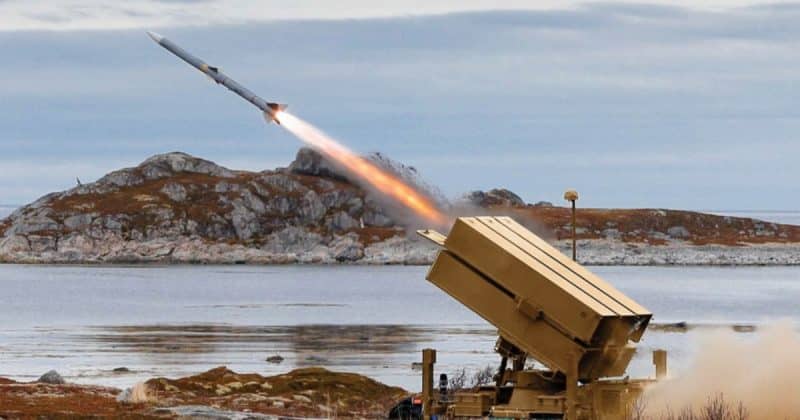
Kuwait’s military confirmed on June 10 that its air defense systems were actively intercepting hostile aerial targets, urging the public to follow safety instructions as explosions echoed across parts of the country. The Kuwaiti General Staff said the blasts were the result of successful interceptions carried out according to established operational procedures.
No injuries were reported.
A pattern of escalation
This latest intercept fits into a pattern that has defined Kuwait’s security posture throughout 2026. Between March and early June, Kuwaiti air defenses have neutralized 13 ballistic missiles and 17 drones, threats primarily attributed to Iranian forces amid the ongoing US-Iran conflict.
The country hosts significant US military infrastructure, including the Ali Al Salem Air Base, making it a potential target in any regional escalation between Washington and Tehran.
Neighboring Bahrain activated warning sirens due to perceived threats to installations in the region.
The news moving money, markets, and the world—before your day starts.
Daily. Free. Join 34,000+ readers across crypto, finance, and policy.
Kuwait has requested $1.98 billion from the United States for enhanced counter-drone capabilities. Patriot missile systems already form the backbone of the nation’s air defense network, and the military has participated in joint exercises to sharpen readiness.
Why crypto investors should pay attention to Gulf instability
As of the latest developments, there is no direct observable impact on cryptocurrency markets from Kuwait’s air defense operations specifically. No major token has moved in response to the intercepts.
A sustained escalation in US-Iran tensions that draws in Gulf states like Kuwait and Bahrain more deeply could shift the macro landscape through energy price shocks, supply chain disruptions, and general investor anxiety.
What to watch from here
Kuwait neutralizing 30 combined missile and drone threats in roughly three months suggests a tempo of attacks that isn’t slowing down.
The $1.98 billion counter-drone request, if approved, would represent a significant deepening of US-Kuwait military cooperation.