
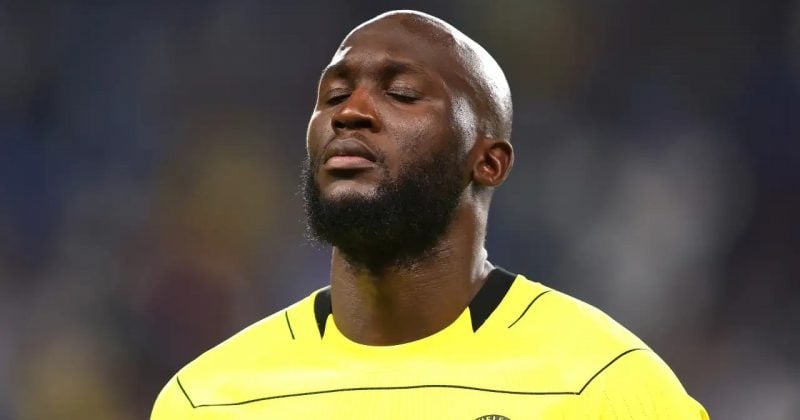
Romelu Lukaku’s World Cup redemption tour highlights the resilience athletes need, on and off the pitch

Romelu Lukaku’s World Cup redemption tour highlights the resilience athletes need, on and off the pitch

Belgium's all-time top scorer has battled injuries, online abuse, and a brutal club season to become his nation's most dangerous weapon heading into a quarterfinal clash with Spain

Look, CryptoBriefing doesn’t typically cover center forwards. But Romelu Lukaku’s story ahead of Belgium’s World Cup quarterfinal against Spain on July 10, 2026 touches on something this audience knows intimately: public scrutiny, online abuse, and the psychological toll of performing under relentless digital pressure.

Lukaku, Belgium’s all-time leading goalscorer, logged just 69 minutes for Napoli during the entire 2025-26 Serie A season due to injuries. For context, that’s roughly the length of a single match.

From the bench to the spotlight

The World Cup has been a different story entirely. Lukaku has reinvented himself as Belgium’s super-sub, scoring crucial goals against both Senegal and the United States to help drag his team into the quarterfinals.

His career arc reads like a tour of European football’s most prestigious addresses. Chelsea, Everton, Manchester United, Inter Milan, Roma, and then Napoli. Each stop came with its own set of expectations, its own flavor of scrutiny.

Advertisement

Ahead of the Spain match, Lukaku offered a characteristically blunt assessment of what Belgium needs to do next. His message: the team will need to deliver a “perfect game” to advance past Spain, one of the tournament favorites.

The online abuse problem isn’t going away

Profiles of Lukaku leading up to the quarterfinal have highlighted his experiences with persistent online abuse and personal struggles that extend well beyond missed chances or injury setbacks.

The digital harassment of athletes is not a new phenomenon, but it’s accelerating. And it’s deeply entangled with the platforms and technologies that also power crypto markets, NFT-based fan tokens, and decentralized social networks. When fans hold tokens tied to a club’s performance, the financial incentive to direct vitriol at underperforming players becomes even more acute.

Fan token projects from platforms like Socios and Chiliz have proliferated across European football. These tokens give holders voting rights on minor club decisions and, theoretically, a sense of ownership. But ownership breeds entitlement. And entitlement, mixed with pseudonymity and financial stakes, creates a toxic cocktail that players like Lukaku absorb daily.

What this means for the digital sports economy

Fan engagement tokens remain a niche but growing sector within crypto. The premise is straightforward: give supporters a stake, deepen loyalty, monetize fandom. When token prices correlate with team results, and team results depend on individual players, those individuals become targets of financially motivated harassment.

Blockchain-based identity and reputation systems have been proposed as partial solutions to online abuse, requiring some form of accountability without full doxxing. But adoption has been glacial, and the platforms where most abuse occurs, X, Instagram, TikTok, have no meaningful integration with decentralized identity protocols.

For investors watching the fan token space or sports betting platforms built on blockchain rails, Lukaku’s story is a case study in unpriced risk. The psychological toll on athletes directly affects the product these platforms monetize. A player who steps away from social media, or worse, retires early due to mental health strain, represents real value destruction for any token or platform tied to their performance.

Disclosure: This article was edited by Editorial Team. For more information on how we create and review content, see our Editorial Policy.

Romelu Lukaku’s World Cup redemption tour highlights the resilience athletes need, on and off the pitch

Romelu Lukaku’s World Cup redemption tour highlights the resilience athletes need, on and off the pitch

Belgium's all-time top scorer has battled injuries, online abuse, and a brutal club season to become his nation's most dangerous weapon heading into a quarterfinal clash with Spain

Look, CryptoBriefing doesn’t typically cover center forwards. But Romelu Lukaku’s story ahead of Belgium’s World Cup quarterfinal against Spain on July 10, 2026 touches on something this audience knows intimately: public scrutiny, online abuse, and the psychological toll of performing under relentless digital pressure.

Lukaku, Belgium’s all-time leading goalscorer, logged just 69 minutes for Napoli during the entire 2025-26 Serie A season due to injuries. For context, that’s roughly the length of a single match.

From the bench to the spotlight

The World Cup has been a different story entirely. Lukaku has reinvented himself as Belgium’s super-sub, scoring crucial goals against both Senegal and the United States to help drag his team into the quarterfinals.

His career arc reads like a tour of European football’s most prestigious addresses. Chelsea, Everton, Manchester United, Inter Milan, Roma, and then Napoli. Each stop came with its own set of expectations, its own flavor of scrutiny.

Advertisement

Ahead of the Spain match, Lukaku offered a characteristically blunt assessment of what Belgium needs to do next. His message: the team will need to deliver a “perfect game” to advance past Spain, one of the tournament favorites.

The online abuse problem isn’t going away

Profiles of Lukaku leading up to the quarterfinal have highlighted his experiences with persistent online abuse and personal struggles that extend well beyond missed chances or injury setbacks.

The digital harassment of athletes is not a new phenomenon, but it’s accelerating. And it’s deeply entangled with the platforms and technologies that also power crypto markets, NFT-based fan tokens, and decentralized social networks. When fans hold tokens tied to a club’s performance, the financial incentive to direct vitriol at underperforming players becomes even more acute.

Fan token projects from platforms like Socios and Chiliz have proliferated across European football. These tokens give holders voting rights on minor club decisions and, theoretically, a sense of ownership. But ownership breeds entitlement. And entitlement, mixed with pseudonymity and financial stakes, creates a toxic cocktail that players like Lukaku absorb daily.

What this means for the digital sports economy

Fan engagement tokens remain a niche but growing sector within crypto. The premise is straightforward: give supporters a stake, deepen loyalty, monetize fandom. When token prices correlate with team results, and team results depend on individual players, those individuals become targets of financially motivated harassment.

Blockchain-based identity and reputation systems have been proposed as partial solutions to online abuse, requiring some form of accountability without full doxxing. But adoption has been glacial, and the platforms where most abuse occurs, X, Instagram, TikTok, have no meaningful integration with decentralized identity protocols.

For investors watching the fan token space or sports betting platforms built on blockchain rails, Lukaku’s story is a case study in unpriced risk. The psychological toll on athletes directly affects the product these platforms monetize. A player who steps away from social media, or worse, retires early due to mental health strain, represents real value destruction for any token or platform tied to their performance.

Disclosure: This article was edited by Editorial Team. For more information on how we create and review content, see our Editorial Policy.