
https://military-history.fandom.com/wiki/Alexander_Lukashenko
Lukashenko’s diplomatic tightrope complicates Russia-Ukraine ceasefire outlook
Russia-Ukraine ceasefire agreement
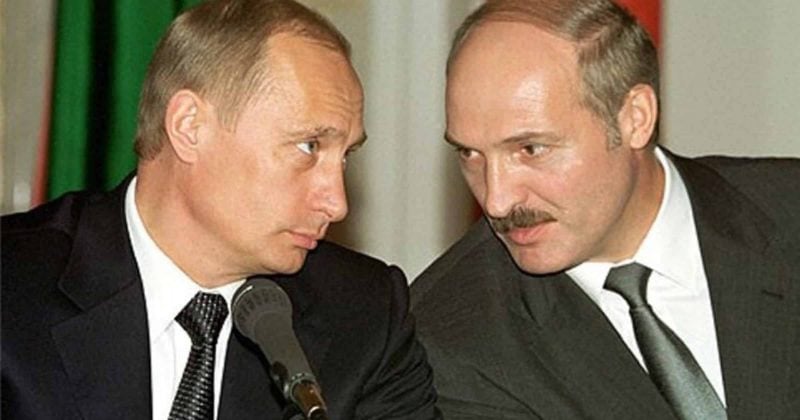
Belarusian President Alexander Lukashenko faces a challenging diplomatic situation as he balances maintaining strong ties with Russian President Vladimir Putin and addressing threats from Ukrainian President Volodymyr Zelensky. Zelensky has warned of potential strikes on Russian military assets in Belarus if certain conditions are not met. This geopolitical tension complicates Lukashenko’s position amidst the ongoing Russia-Ukraine conflict, where Belarus has been integrated into Russia’s military strategy. The presence of Russian military infrastructure and personnel on Belarusian soil adds to the complexity of Lukashenko’s situation.
The prediction markets reflect a cautious stance on the likelihood of a ceasefire agreement between Russia and Ukraine by the end of 2026. The current probability of a formal agreement by December 31, 2026, stands at 39.5% YES, showing a slight decrease from previous weeks. The ongoing tensions involving Belarus suggest that a resolution may be further complicated by these diplomatic dynamics.
Markets have observed a decrease in the probability of a ceasefire, consistent with the increased geopolitical risk involving Belarus. This development appears to align with the broader trend of declining odds for a near-term peace agreement, as markets assess the fragile balance Lukashenko must maintain to avoid escalating hostilities in the region.
Key Takeaways
- Lukashenko’s diplomatic balancing act appears to influence market perceptions of a potential ceasefire, suggesting decreased likelihood of resolution.
- The presence of Russian military assets in Belarus is consistent with a scenario where tensions remain high, impacting ceasefire probability.
- Market pricing suggests participants view the situation as adding complexity to achieving a ceasefire by the end of 2026.
What to Watch
Observers should monitor any shifts in Lukashenko’s diplomatic approach, as these could indicate potential changes in the geopolitical landscape. Statements from key actors, including Zelensky and Putin, will be crucial in assessing the likelihood of future negotiations. Developments in Belarus-Russia-Ukraine relations may further influence market perceptions of a ceasefire timeline. As the December 2026 deadline approaches, any movement or engagement in peace talks could impact current probabilities.