
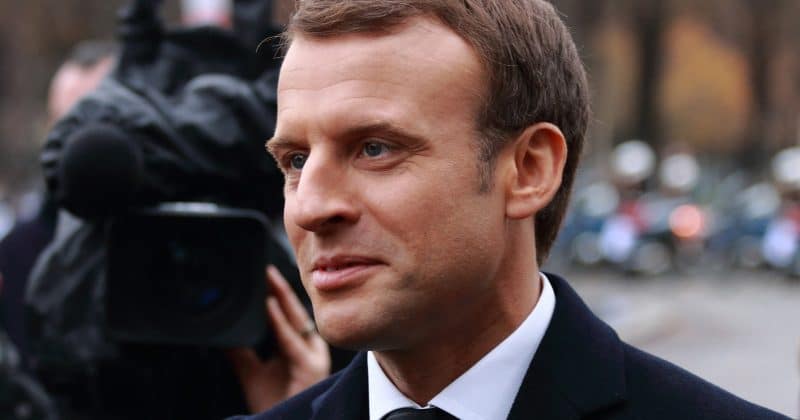
Macron visits Syria as first EU leader since Assad’s fall, bringing investors in tow

Macron visits Syria as first EU leader since Assad’s fall, bringing investors in tow

France's pivot toward post-Assad Syria signals a broader Western shift from isolation to economic engagement

French President Emmanuel Macron has arrived in Syria, becoming the first European Union head of state to set foot in the country since Bashar al-Assad’s regime collapsed in late 2024. The visit, announced by Syrian state media agency SANA on July 5, 2026, is less a diplomatic courtesy call and more a statement: the West is open for business in Damascus.

Macron did not travel alone. His delegation includes French investors and business executives, which tells you most of what you need to know about the trip’s actual agenda.

From pariah state to priority partner

Ahmad al-Sharaa, who leads Syria’s interim government, inherited a country with an economy in ruins and infrastructure that had absorbed years of conflict.

Advertisement

Macron hosted al-Sharaa in Paris in May 2025, using that meeting to commit publicly to campaigning for sanctions relief on Syria. Most of those international sanctions have since been lifted over the past few months, clearing a significant obstacle for foreign investment to flow in.

The sequencing matters here. Paris visit first, sanctions advocacy second, business delegation trip third. This was not improvised.

What France actually wants in Syria

France has historical ties to Syria that go back to the post-World War I mandate period, when Paris administered the territory under a League of Nations arrangement.

Beyond the economic, Macron has a broader geopolitical interest in demonstrating that France can operate as an independent actor in the Middle East. Being first among EU leaders to visit Damascus fits neatly into that self-image.

The risks nobody is talking about loudly

For French investors, this is frontier territory in the most literal sense. Legal frameworks for foreign investment in post-conflict Syria are still being established. Contract enforcement mechanisms are nascent. The currency situation is unstable.

The lifting of sanctions also matters directly for any crypto-adjacent businesses that had been operating in a legal gray zone around Syria-adjacent transactions. Cleaner regulatory status for Syria means cleaner compliance posture for firms handling transfers involving Syrian counterparties, a quiet but meaningful shift for digital asset businesses with exposure to the region’s remittance flows.

France has positioned itself ahead of its European peers in this relationship, having also made trips to Lebanon in January 2025 and to Saudi Arabia in December 2024 as part of broader regional re-engagement under Macron.

Disclosure: This article was edited by Editorial Team. For more information on how we create and review content, see our Editorial Policy.

Macron visits Syria as first EU leader since Assad’s fall, bringing investors in tow

Macron visits Syria as first EU leader since Assad’s fall, bringing investors in tow

France's pivot toward post-Assad Syria signals a broader Western shift from isolation to economic engagement

French President Emmanuel Macron has arrived in Syria, becoming the first European Union head of state to set foot in the country since Bashar al-Assad’s regime collapsed in late 2024. The visit, announced by Syrian state media agency SANA on July 5, 2026, is less a diplomatic courtesy call and more a statement: the West is open for business in Damascus.

Macron did not travel alone. His delegation includes French investors and business executives, which tells you most of what you need to know about the trip’s actual agenda.

From pariah state to priority partner

Ahmad al-Sharaa, who leads Syria’s interim government, inherited a country with an economy in ruins and infrastructure that had absorbed years of conflict.

Advertisement

Macron hosted al-Sharaa in Paris in May 2025, using that meeting to commit publicly to campaigning for sanctions relief on Syria. Most of those international sanctions have since been lifted over the past few months, clearing a significant obstacle for foreign investment to flow in.

The sequencing matters here. Paris visit first, sanctions advocacy second, business delegation trip third. This was not improvised.

What France actually wants in Syria

France has historical ties to Syria that go back to the post-World War I mandate period, when Paris administered the territory under a League of Nations arrangement.

Beyond the economic, Macron has a broader geopolitical interest in demonstrating that France can operate as an independent actor in the Middle East. Being first among EU leaders to visit Damascus fits neatly into that self-image.

The risks nobody is talking about loudly

For French investors, this is frontier territory in the most literal sense. Legal frameworks for foreign investment in post-conflict Syria are still being established. Contract enforcement mechanisms are nascent. The currency situation is unstable.

The lifting of sanctions also matters directly for any crypto-adjacent businesses that had been operating in a legal gray zone around Syria-adjacent transactions. Cleaner regulatory status for Syria means cleaner compliance posture for firms handling transfers involving Syrian counterparties, a quiet but meaningful shift for digital asset businesses with exposure to the region’s remittance flows.

France has positioned itself ahead of its European peers in this relationship, having also made trips to Lebanon in January 2025 and to Saudi Arabia in December 2024 as part of broader regional re-engagement under Macron.

Disclosure: This article was edited by Editorial Team. For more information on how we create and review content, see our Editorial Policy.