
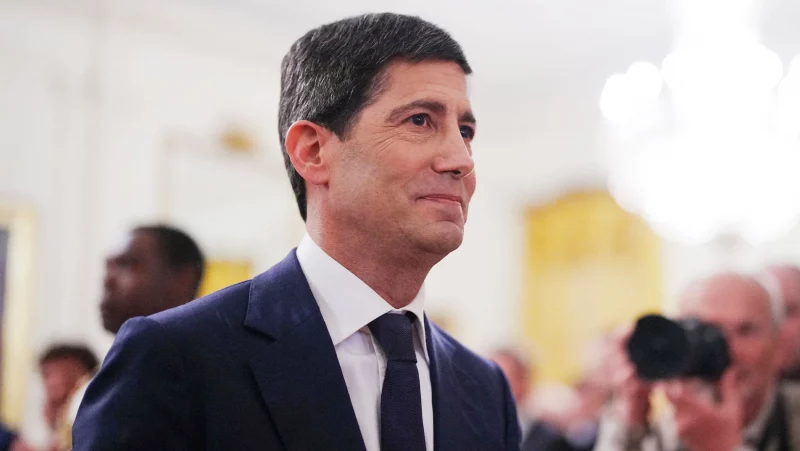
Markets drift lower as traders brace for Warsh’s first Fed meeting

Markets drift lower as traders brace for Warsh’s first Fed meeting

Bitcoin slips below $66K while the Fear & Greed Index sits at 22, reflecting extreme fear ahead of the new Fed chair's debut policy statement

Kevin Warsh is about to do something no one outside the Federal Reserve has done in over a decade: chair an FOMC meeting for the first time. Markets are treating it like a routine hold-the-line event. That complacency might be the riskiest trade on the board right now.

Bitcoin dipped below $66K with a 24-hour decline of 0.8%. Ethereum slid 1.0% to hover near $1,758. Solana held relatively steady at around $73, shedding just 0.4%. XRP eased to $1.20. The moves are modest. The anxiety underneath them is not.

The calm before the press conference

Consensus among traders is that rates will hold steady at this meeting. Nobody seriously expects Warsh to walk in on day one and cut or hike. The real event isn’t the rate decision at all.

It’s the policy statement. And, more importantly, the press conference that follows it.

Every new Fed chair gets one shot at a first impression. The market will parse every syllable for clues about how Warsh plans to run monetary policy differently from his predecessor. A slightly hawkish lean, even a subtle one, could jolt risk assets that have been pricing in a relatively benign rate path.

Here’s the thing: markets have a long history of misjudging new Fed chairs. Traders build expectations around what they think the person will do, then get blindsided when the actual human behind the podium reveals priorities nobody anticipated. The gap between expectation and reality is where volatility lives.

And right now, that gap could be wide. The crypto market’s Fear & Greed Index sits at 22, firmly in “Extreme Fear” territory according to Alternative.me. Last week it was even lower, at 9. Sentiment has improved slightly, but calling a move from 9 to 22 an improvement is like saying the Titanic’s lower decks had better ventilation after the iceberg hit.

Advertisement

What the numbers actually show

Zoom out a bit and the picture gets more nuanced. Bitcoin’s 7-day performance is actually up 5.1%, which means the current dip is more of a pullback within a recovery than a fresh leg down. Traders who’ve been watching the daily candles might be spooked, but the weekly chart tells a different story.

Ethereum’s situation is less flattering. A 1.0% daily decline near $1,758 puts it in an uncomfortable range that hasn’t inspired much confidence from buyers. ETH has been underperforming relative to Bitcoin for a while now, and nothing about this week’s price action changes that narrative.

Solana’s 0.4% decline barely registers as noise. At $73, it’s treading water, which in this environment counts as a win. XRP at $1.20 is similarly quiet.

The top-performing category over the past seven days, according to CoinGecko data, is DeFi. But even that comes with an asterisk: its 7-day change is essentially flat at 0.0%. When “best in class” means “didn’t lose money,” you know the market is in a defensive crouch.

The Warsh variable

Kevin Warsh is not an unknown quantity. He served on the Fed’s Board of Governors during the 2008 financial crisis, which means he has firsthand experience with emergency monetary policy. But chairing the FOMC is a different job entirely. It’s the difference between playing in the band and conducting the orchestra.

What makes this meeting particularly tricky for crypto traders is the asymmetry of outcomes. If Warsh sounds dovish or neutral, markets will likely shrug and continue their sideways drift. The expected outcome produces the smallest reaction. But if his language tilts hawkish, if he signals concern about inflation persistence or suggests the bar for rate cuts is higher than markets assume, the selloff could be swift and concentrated in risk assets.

Crypto, for all its claims of being uncorrelated, still trades like a leveraged tech bet during macro events. A hawkish surprise from the new Fed chair would likely hit Bitcoin and altcoins harder than equities, at least initially, because crypto markets are thinner and more reactive to sentiment shifts.

The Extreme Fear reading on the sentiment index tells you that market participants already feel fragile. A Fear & Greed score of 22 means sellers don’t need much encouragement. One wrong word from Warsh’s press conference could be the catalyst.

What this means for investors

The smart play here isn’t predicting what Warsh will say. It’s positioning for the range of possible reactions. The market is priced for a non-event. When markets price for calm, the risk-reward skews toward surprises.

For Bitcoin holders, the 5.1% weekly gain provides a small buffer. A pullback to the low $60K range wouldn’t erase the broader recovery trend, but it would test conviction. The question is whether buyers step in at those levels or whether Extreme Fear deepens into capitulation.

For altcoin holders, the calculus is worse. ETH, SOL, and XRP have less momentum to absorb a macro shock. DeFi’s flat 7-day performance shows that even the “strongest” sector has no real bid underneath it. If Bitcoin wobbles, altcoins will wobble harder.

The competitive landscape matters here too. Every FOMC meeting under a new chair resets expectations about the policy trajectory for months. If Warsh establishes himself as more hawkish than expected, the entire second half of the year gets repriced. That’s not just one bad day for crypto. It’s a regime shift in the rate-cut timeline that affects every risk asset on the planet.

Watch the press conference, not the rate decision. The decision is already known. The tone is the only thing that matters, and the market’s current calm suggests it’s not prepared for the wrong one.

Disclosure: This article was edited by Estefano Gomez. For more information on how we create and review content, see our Editorial Policy.

Markets drift lower as traders brace for Warsh’s first Fed meeting

Markets drift lower as traders brace for Warsh’s first Fed meeting

Bitcoin slips below $66K while the Fear & Greed Index sits at 22, reflecting extreme fear ahead of the new Fed chair's debut policy statement

Kevin Warsh is about to do something no one outside the Federal Reserve has done in over a decade: chair an FOMC meeting for the first time. Markets are treating it like a routine hold-the-line event. That complacency might be the riskiest trade on the board right now.

Bitcoin dipped below $66K with a 24-hour decline of 0.8%. Ethereum slid 1.0% to hover near $1,758. Solana held relatively steady at around $73, shedding just 0.4%. XRP eased to $1.20. The moves are modest. The anxiety underneath them is not.

The calm before the press conference

Consensus among traders is that rates will hold steady at this meeting. Nobody seriously expects Warsh to walk in on day one and cut or hike. The real event isn’t the rate decision at all.

It’s the policy statement. And, more importantly, the press conference that follows it.

Every new Fed chair gets one shot at a first impression. The market will parse every syllable for clues about how Warsh plans to run monetary policy differently from his predecessor. A slightly hawkish lean, even a subtle one, could jolt risk assets that have been pricing in a relatively benign rate path.

Here’s the thing: markets have a long history of misjudging new Fed chairs. Traders build expectations around what they think the person will do, then get blindsided when the actual human behind the podium reveals priorities nobody anticipated. The gap between expectation and reality is where volatility lives.

And right now, that gap could be wide. The crypto market’s Fear & Greed Index sits at 22, firmly in “Extreme Fear” territory according to Alternative.me. Last week it was even lower, at 9. Sentiment has improved slightly, but calling a move from 9 to 22 an improvement is like saying the Titanic’s lower decks had better ventilation after the iceberg hit.

Advertisement

What the numbers actually show

Zoom out a bit and the picture gets more nuanced. Bitcoin’s 7-day performance is actually up 5.1%, which means the current dip is more of a pullback within a recovery than a fresh leg down. Traders who’ve been watching the daily candles might be spooked, but the weekly chart tells a different story.

Ethereum’s situation is less flattering. A 1.0% daily decline near $1,758 puts it in an uncomfortable range that hasn’t inspired much confidence from buyers. ETH has been underperforming relative to Bitcoin for a while now, and nothing about this week’s price action changes that narrative.

Solana’s 0.4% decline barely registers as noise. At $73, it’s treading water, which in this environment counts as a win. XRP at $1.20 is similarly quiet.

The top-performing category over the past seven days, according to CoinGecko data, is DeFi. But even that comes with an asterisk: its 7-day change is essentially flat at 0.0%. When “best in class” means “didn’t lose money,” you know the market is in a defensive crouch.

The Warsh variable

Kevin Warsh is not an unknown quantity. He served on the Fed’s Board of Governors during the 2008 financial crisis, which means he has firsthand experience with emergency monetary policy. But chairing the FOMC is a different job entirely. It’s the difference between playing in the band and conducting the orchestra.

What makes this meeting particularly tricky for crypto traders is the asymmetry of outcomes. If Warsh sounds dovish or neutral, markets will likely shrug and continue their sideways drift. The expected outcome produces the smallest reaction. But if his language tilts hawkish, if he signals concern about inflation persistence or suggests the bar for rate cuts is higher than markets assume, the selloff could be swift and concentrated in risk assets.

Crypto, for all its claims of being uncorrelated, still trades like a leveraged tech bet during macro events. A hawkish surprise from the new Fed chair would likely hit Bitcoin and altcoins harder than equities, at least initially, because crypto markets are thinner and more reactive to sentiment shifts.

The Extreme Fear reading on the sentiment index tells you that market participants already feel fragile. A Fear & Greed score of 22 means sellers don’t need much encouragement. One wrong word from Warsh’s press conference could be the catalyst.

What this means for investors

The smart play here isn’t predicting what Warsh will say. It’s positioning for the range of possible reactions. The market is priced for a non-event. When markets price for calm, the risk-reward skews toward surprises.

For Bitcoin holders, the 5.1% weekly gain provides a small buffer. A pullback to the low $60K range wouldn’t erase the broader recovery trend, but it would test conviction. The question is whether buyers step in at those levels or whether Extreme Fear deepens into capitulation.

For altcoin holders, the calculus is worse. ETH, SOL, and XRP have less momentum to absorb a macro shock. DeFi’s flat 7-day performance shows that even the “strongest” sector has no real bid underneath it. If Bitcoin wobbles, altcoins will wobble harder.

The competitive landscape matters here too. Every FOMC meeting under a new chair resets expectations about the policy trajectory for months. If Warsh establishes himself as more hawkish than expected, the entire second half of the year gets repriced. That’s not just one bad day for crypto. It’s a regime shift in the rate-cut timeline that affects every risk asset on the planet.

Watch the press conference, not the rate decision. The decision is already known. The tone is the only thing that matters, and the market’s current calm suggests it’s not prepared for the wrong one.

Disclosure: This article was edited by Estefano Gomez. For more information on how we create and review content, see our Editorial Policy.