
Markets see 77% chance Fed holds rates steady through 2026 amid inflation concerns

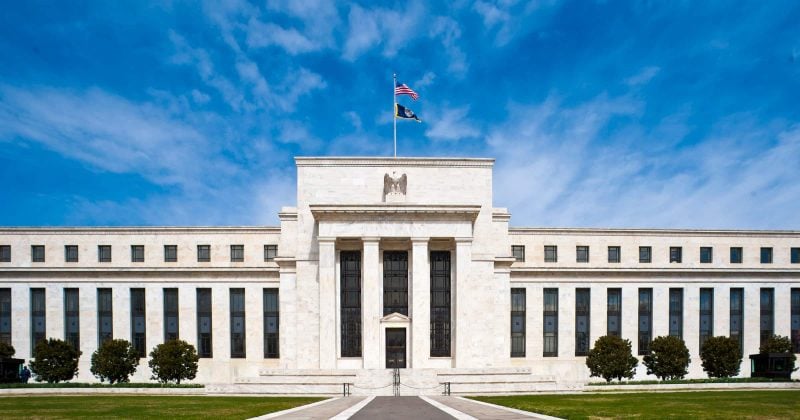
https://en.wikipedia.org/wiki/Eccles_Building

Markets see 77% chance Fed holds rates steady through 2026 amid inflation concerns

Fed rate cut timing

Markets are currently estimating a 77% probability that the Federal Reserve will not reduce interest rates in 2026, marking a significant shift from earlier expectations of potential rate cuts. This adjustment follows the Federal Open Market Committee’s (FOMC) recent meeting where forecasts for a 2026 rate cut were removed. The central bank’s current target range for the federal funds rate remains at 3.50%–3.75%, unchanged since December 2025. The increased likelihood of a rate hike is influenced by rising oil prices and inflation concerns linked to geopolitical tensions, particularly the ongoing conflict involving Iran. Bond market data highlights a steep decline in the probability of a rate cut, which fell to around 3% from over 18% just a day prior.

Advertisement

Key Takeaways

  • Markets suggest a 77% probability that the Federal Reserve will maintain current interest rates throughout 2026.
  • Recent FOMC meeting outcomes indicate no expected rate cuts this year, consistent with potential rate hike scenarios.
  • Rising oil prices and inflation concerns appear to drive the market’s reassessment of interest rate expectations.

What to Watch

Observers should monitor upcoming FOMC meetings and statements from Federal Reserve Chair Kevin Warsh for any shifts in policy direction. Key indicators include inflation data, particularly if core CPI exceeds 3% or oil prices rise above $100 per barrel, which could further influence market expectations. Additionally, any geopolitical developments, especially those affecting oil prices, may impact the Federal Reserve’s policy decisions and market pricing.

Get prediction market intelligence as a structured API feed. Early access waitlist.

Disclosure: This article was edited by Estefano Gomez. For more information on how we create and review content, see our Editorial Policy.

Markets see 77% chance Fed holds rates steady through 2026 amid inflation concerns

Markets see 77% chance Fed holds rates steady through 2026 amid inflation concerns

Fed rate cut timing

https://en.wikipedia.org/wiki/Eccles_Building

Markets are currently estimating a 77% probability that the Federal Reserve will not reduce interest rates in 2026, marking a significant shift from earlier expectations of potential rate cuts. This adjustment follows the Federal Open Market Committee’s (FOMC) recent meeting where forecasts for a 2026 rate cut were removed. The central bank’s current target range for the federal funds rate remains at 3.50%–3.75%, unchanged since December 2025. The increased likelihood of a rate hike is influenced by rising oil prices and inflation concerns linked to geopolitical tensions, particularly the ongoing conflict involving Iran. Bond market data highlights a steep decline in the probability of a rate cut, which fell to around 3% from over 18% just a day prior.

Advertisement

Key Takeaways

  • Markets suggest a 77% probability that the Federal Reserve will maintain current interest rates throughout 2026.
  • Recent FOMC meeting outcomes indicate no expected rate cuts this year, consistent with potential rate hike scenarios.
  • Rising oil prices and inflation concerns appear to drive the market’s reassessment of interest rate expectations.

What to Watch

Observers should monitor upcoming FOMC meetings and statements from Federal Reserve Chair Kevin Warsh for any shifts in policy direction. Key indicators include inflation data, particularly if core CPI exceeds 3% or oil prices rise above $100 per barrel, which could further influence market expectations. Additionally, any geopolitical developments, especially those affecting oil prices, may impact the Federal Reserve’s policy decisions and market pricing.

Get prediction market intelligence as a structured API feed. Early access waitlist.

Disclosure: This article was edited by Estefano Gomez. For more information on how we create and review content, see our Editorial Policy.