
Nexo Earn with Nexo
Concerns rise over MetLife Stadium pitch before France vs Senegal World Cup clash

Concerns rise over MetLife Stadium pitch before France vs Senegal World Cup clash

The venue set to host the 2026 World Cup final is already drawing scrutiny over dry, thick playing conditions weeks before kickoff

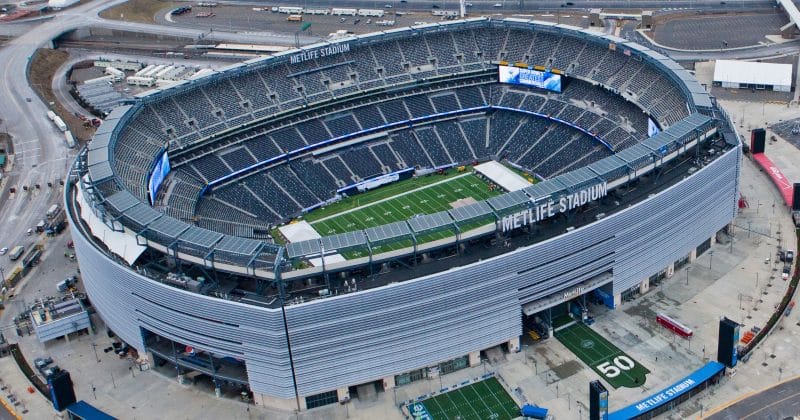
MetLife Stadium’s pitch is looking rough. With France and Senegal set to square off in a Group I match on June 16, the playing surface at the New Jersey venue has been described as very dry and thick, raising alarm bells among coaches, players, and fans who remember similar headaches from recent international tournaments on American soil.

This isn’t just any stadium with a turf problem. MetLife is scheduled to host eight matches during the 2026 FIFA World Cup, including the final. If the flagship venue can’t get its grass right, that’s a problem that extends well beyond one group-stage match.

A familiar pattern for US venues

Here’s the thing: none of this is new. American stadiums built primarily for NFL football have struggled repeatedly to meet the standards required for elite-level soccer. The fundamental issue is that these venues weren’t designed with the beautiful game in mind. They were built for a sport where the ball rarely touches the ground for more than a second.

During the 2024 Copa America, multiple playing surfaces across the US drew complaints for being dry and uneven. Ball roll was inconsistent, footing was unreliable, and coaches were openly frustrated.

Then came the 2025 FIFA Club World Cup, where the problems persisted. Coaches from FC Porto and Palmeiras voiced concerns about pitch dryness affecting ball speed. In English: the grass was so parched that passes were dying on the surface instead of zipping along the way they should on a properly maintained pitch.

Two major tournaments. Same complaints. And now a third event is showing the same symptoms before it even kicks off.

Advertisement

To MetLife’s credit, the stadium underwent significant modifications to prepare for the World Cup. The pitch was elevated by two feet to accommodate FIFA’s irrigation requirements, and natural grass was introduced to replace what would normally be a surface optimized for American football. Those are expensive, time-consuming upgrades. But elevation and new sod don’t mean much if the watering regime doesn’t keep the surface in playable condition.

Why pitch quality matters more than you think

For casual viewers, the state of the grass might seem like a minor detail. It’s not.

A dry, thick pitch fundamentally changes how soccer is played. The ball moves slower across the surface, which disrupts passing patterns that teams have spent months drilling. Players who rely on quick one-touch play, the kind of fluid football that France is known for, suddenly find themselves adjusting their weight of pass on every touch.

Then there’s the injury risk. Dry, hard surfaces mean more stress on joints. Ankles, knees, and hips absorb more impact with every stride. For a tournament that runs across multiple matches in the heat of a North American summer, cumulative stress on poor surfaces can turn a minor muscle complaint into a tournament-ending injury.

Think of it like asking Formula 1 drivers to race on a potholed highway. The cars still work. The drivers are still elite. But the conditions make everything harder, less precise, and more dangerous than it needs to be.

France arrives at this World Cup as perennial contenders, loaded with talent from the world’s top leagues where pitch standards are meticulously maintained. Senegal, meanwhile, will be looking to build on their growing reputation as one of Africa’s premier footballing nations. Both teams deserve a surface that lets them play to their potential.

What’s at stake beyond the pitch

The 2026 World Cup is the first to be held across three countries: the US, Canada, and Mexico. It’s also the first expanded tournament, featuring 48 teams instead of the traditional 32. The US has the most hosting responsibilities of the three nations, and MetLife Stadium sits at the center of the entire operation as the venue for the final.

If pitch quality becomes a recurring storyline, it reflects poorly on the entire organizational effort. FIFA staked significant credibility on the US as a host nation capable of delivering world-class conditions. Dry, thick grass at the tournament’s most important venue undermines that promise.

There’s also the commercial dimension. Poor playing surfaces lead to worse quality matches, which affect broadcast appeal and fan experience. Ticket holders paying premium prices for World Cup matches at MetLife expect to see top-tier football, not players struggling to execute basic passes because the surface won’t cooperate.

Coaches from participating teams have already called for improved maintenance as the tournament approaches. That’s diplomatic language for: fix this before we get there.

The challenge is structural. Hybrid turf systems that serve dual purposes for American football and soccer have consistently struggled to satisfy the demands of both sports. NFL seasons run from September through February, and the transition to a FIFA-quality natural grass surface requires careful planning, adequate lead time, and constant attention. Getting it right for a June match means the preparation window is tight, and the margin for error is thin.

For anyone watching this situation unfold, the key question isn’t whether MetLife can fix the pitch. It almost certainly can, given enough resources and urgency. The question is whether the pattern of reactive fixes, where complaints surface and organizers scramble to respond, will finally give way to proactive maintenance standards that prevent these issues from arising in the first place.

With the World Cup final scheduled for the same venue, whatever solution MetLife implements for France vs. Senegal on June 16 will need to hold up across seven additional matches over the course of the tournament. That’s a sustained commitment, not a one-time patch job. If the opening weeks reveal a surface that can’t handle the workload, the conversation will shift from pitch quality to venue suitability, and that’s a far more uncomfortable discussion for everyone involved.

Disclosure: This article was edited by Editorial Team. For more information on how we create and review content, see our Editorial Policy.

Concerns rise over MetLife Stadium pitch before France vs Senegal World Cup clash

Concerns rise over MetLife Stadium pitch before France vs Senegal World Cup clash

The venue set to host the 2026 World Cup final is already drawing scrutiny over dry, thick playing conditions weeks before kickoff

MetLife Stadium’s pitch is looking rough. With France and Senegal set to square off in a Group I match on June 16, the playing surface at the New Jersey venue has been described as very dry and thick, raising alarm bells among coaches, players, and fans who remember similar headaches from recent international tournaments on American soil.

This isn’t just any stadium with a turf problem. MetLife is scheduled to host eight matches during the 2026 FIFA World Cup, including the final. If the flagship venue can’t get its grass right, that’s a problem that extends well beyond one group-stage match.

A familiar pattern for US venues

Here’s the thing: none of this is new. American stadiums built primarily for NFL football have struggled repeatedly to meet the standards required for elite-level soccer. The fundamental issue is that these venues weren’t designed with the beautiful game in mind. They were built for a sport where the ball rarely touches the ground for more than a second.

During the 2024 Copa America, multiple playing surfaces across the US drew complaints for being dry and uneven. Ball roll was inconsistent, footing was unreliable, and coaches were openly frustrated.

Then came the 2025 FIFA Club World Cup, where the problems persisted. Coaches from FC Porto and Palmeiras voiced concerns about pitch dryness affecting ball speed. In English: the grass was so parched that passes were dying on the surface instead of zipping along the way they should on a properly maintained pitch.

Two major tournaments. Same complaints. And now a third event is showing the same symptoms before it even kicks off.

Advertisement

To MetLife’s credit, the stadium underwent significant modifications to prepare for the World Cup. The pitch was elevated by two feet to accommodate FIFA’s irrigation requirements, and natural grass was introduced to replace what would normally be a surface optimized for American football. Those are expensive, time-consuming upgrades. But elevation and new sod don’t mean much if the watering regime doesn’t keep the surface in playable condition.

Why pitch quality matters more than you think

For casual viewers, the state of the grass might seem like a minor detail. It’s not.

A dry, thick pitch fundamentally changes how soccer is played. The ball moves slower across the surface, which disrupts passing patterns that teams have spent months drilling. Players who rely on quick one-touch play, the kind of fluid football that France is known for, suddenly find themselves adjusting their weight of pass on every touch.

Then there’s the injury risk. Dry, hard surfaces mean more stress on joints. Ankles, knees, and hips absorb more impact with every stride. For a tournament that runs across multiple matches in the heat of a North American summer, cumulative stress on poor surfaces can turn a minor muscle complaint into a tournament-ending injury.

Think of it like asking Formula 1 drivers to race on a potholed highway. The cars still work. The drivers are still elite. But the conditions make everything harder, less precise, and more dangerous than it needs to be.

France arrives at this World Cup as perennial contenders, loaded with talent from the world’s top leagues where pitch standards are meticulously maintained. Senegal, meanwhile, will be looking to build on their growing reputation as one of Africa’s premier footballing nations. Both teams deserve a surface that lets them play to their potential.

What’s at stake beyond the pitch

The 2026 World Cup is the first to be held across three countries: the US, Canada, and Mexico. It’s also the first expanded tournament, featuring 48 teams instead of the traditional 32. The US has the most hosting responsibilities of the three nations, and MetLife Stadium sits at the center of the entire operation as the venue for the final.

If pitch quality becomes a recurring storyline, it reflects poorly on the entire organizational effort. FIFA staked significant credibility on the US as a host nation capable of delivering world-class conditions. Dry, thick grass at the tournament’s most important venue undermines that promise.

There’s also the commercial dimension. Poor playing surfaces lead to worse quality matches, which affect broadcast appeal and fan experience. Ticket holders paying premium prices for World Cup matches at MetLife expect to see top-tier football, not players struggling to execute basic passes because the surface won’t cooperate.

Coaches from participating teams have already called for improved maintenance as the tournament approaches. That’s diplomatic language for: fix this before we get there.

The challenge is structural. Hybrid turf systems that serve dual purposes for American football and soccer have consistently struggled to satisfy the demands of both sports. NFL seasons run from September through February, and the transition to a FIFA-quality natural grass surface requires careful planning, adequate lead time, and constant attention. Getting it right for a June match means the preparation window is tight, and the margin for error is thin.

For anyone watching this situation unfold, the key question isn’t whether MetLife can fix the pitch. It almost certainly can, given enough resources and urgency. The question is whether the pattern of reactive fixes, where complaints surface and organizers scramble to respond, will finally give way to proactive maintenance standards that prevent these issues from arising in the first place.

With the World Cup final scheduled for the same venue, whatever solution MetLife implements for France vs. Senegal on June 16 will need to hold up across seven additional matches over the course of the tournament. That’s a sustained commitment, not a one-time patch job. If the opening weeks reveal a surface that can’t handle the workload, the conversation will shift from pitch quality to venue suitability, and that’s a far more uncomfortable discussion for everyone involved.

Disclosure: This article was edited by Editorial Team. For more information on how we create and review content, see our Editorial Policy.