
Nexo Earn with Nexo
Mexico City Human Rights Commission opens complaints after police detain 12 protesters and 2 journalists during FIFA World Cup 2026 demonstrations

Mexico City Human Rights Commission opens complaints after police detain 12 protesters and 2 journalists during FIFA World Cup 2026 demonstrations

Clashes between police and demonstrators on World Cup opening day highlight tensions between global sporting spectacle and domestic social grievances

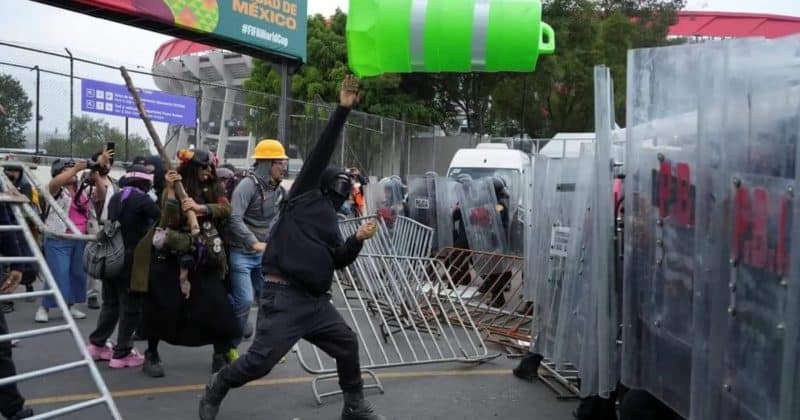
The FIFA World Cup 2026 kicked off on June 11 at Mexico City’s Estadio Azteca with a match between South Africa and Mexico. What also kicked off: tear gas, mass detentions, and a human rights investigation.

Mexico City’s Human Rights Commission, known as the CDHCM, opened four formal complaint files after police detained 12 protesters and 2 journalists during demonstrations that erupted around the tournament’s opening day. The detentions came amid clashes between security forces and demonstrators protesting everything from pension reforms to gentrification to the government’s spending priorities on a global soccer party.

Advertisement

What happened on the ground

The protests were not spontaneous or surprising. Multiple groups converged on Mexico City with grievances that long predated the first whistle. The CNTE teachers’ union marched over pension issues and education reforms. Families of disappeared individuals demanded answers. Anti-gentrification activists argued that World Cup-related development was displacing communities and redirecting public funds away from urgent social needs.

Things escalated. Approximately 200 hooded individuals were involved in clashes during the protests leading up to the opening ceremony. Police responded with tear gas. Fourteen people were detained in total, including the two journalists.

A tournament wrapped in security, and tension

Mexico deployed over 100,000 security personnel across host cities for the World Cup. Amnesty International had warned before the tournament about heightened risks to peaceful protest and free expression in Mexico during the World Cup period. The organization flagged concerns that the security apparatus built for the event could be turned against civil society groups exercising their rights.

Pre-tournament protests had already criticized the government’s spending priorities, arguing that billions directed toward stadiums, infrastructure, and security for FIFA’s benefit could have addressed Mexico’s deep social wounds. The CNTE union in particular has a long history of confrontation with Mexican authorities. Their presence at the World Cup protests connected the event to a much older and broader struggle over labor rights and public sector reform.

The crypto angle, and why it matters less than you think

FIFA’s partnership roster for the 2026 World Cup includes crypto firms like Kraken and Chainlink. There are no verified reports connecting cryptocurrency, blockchain technology, or any specific digital asset to the protests, the detentions, or the human rights complaints. The demonstrators were focused on pensions, disappearances, and gentrification.

Disclosure: This article was edited by Editorial Team. For more information on how we create and review content, see our Editorial Policy.

Mexico City Human Rights Commission opens complaints after police detain 12 protesters and 2 journalists during FIFA World Cup 2026 demonstrations

Mexico City Human Rights Commission opens complaints after police detain 12 protesters and 2 journalists during FIFA World Cup 2026 demonstrations

Clashes between police and demonstrators on World Cup opening day highlight tensions between global sporting spectacle and domestic social grievances

The FIFA World Cup 2026 kicked off on June 11 at Mexico City’s Estadio Azteca with a match between South Africa and Mexico. What also kicked off: tear gas, mass detentions, and a human rights investigation.

Mexico City’s Human Rights Commission, known as the CDHCM, opened four formal complaint files after police detained 12 protesters and 2 journalists during demonstrations that erupted around the tournament’s opening day. The detentions came amid clashes between security forces and demonstrators protesting everything from pension reforms to gentrification to the government’s spending priorities on a global soccer party.

Advertisement

What happened on the ground

The protests were not spontaneous or surprising. Multiple groups converged on Mexico City with grievances that long predated the first whistle. The CNTE teachers’ union marched over pension issues and education reforms. Families of disappeared individuals demanded answers. Anti-gentrification activists argued that World Cup-related development was displacing communities and redirecting public funds away from urgent social needs.

Things escalated. Approximately 200 hooded individuals were involved in clashes during the protests leading up to the opening ceremony. Police responded with tear gas. Fourteen people were detained in total, including the two journalists.

A tournament wrapped in security, and tension

Mexico deployed over 100,000 security personnel across host cities for the World Cup. Amnesty International had warned before the tournament about heightened risks to peaceful protest and free expression in Mexico during the World Cup period. The organization flagged concerns that the security apparatus built for the event could be turned against civil society groups exercising their rights.

Pre-tournament protests had already criticized the government’s spending priorities, arguing that billions directed toward stadiums, infrastructure, and security for FIFA’s benefit could have addressed Mexico’s deep social wounds. The CNTE union in particular has a long history of confrontation with Mexican authorities. Their presence at the World Cup protests connected the event to a much older and broader struggle over labor rights and public sector reform.

The crypto angle, and why it matters less than you think

FIFA’s partnership roster for the 2026 World Cup includes crypto firms like Kraken and Chainlink. There are no verified reports connecting cryptocurrency, blockchain technology, or any specific digital asset to the protests, the detentions, or the human rights complaints. The demonstrators were focused on pensions, disappearances, and gentrification.

Disclosure: This article was edited by Editorial Team. For more information on how we create and review content, see our Editorial Policy.